Practical Sales Training™ > Wordplay > Letter Elongation

Letter Elongation
Written words are flat. They carry no tone, no pace, no feeling unless you put it there. Letter Elongation is one of the simplest ways to do that.
Instead of writing “smooth,” you write “smooooooth.” Instead of “yes,” you write “yessss.” The stretched letters tell the reader how to hear the word, so the emotion comes through even without a voice behind it. As a result, your copy feels warmer, more human and more alive.
Used well, Letter Elongation closes the gap between written and spoken language. It’s a small technique, but in the right context it can make a big difference to how your message lands.
What Is Letter Elongation?
Letter Elongation is the deliberate repetition of letters within a word to create emphasis, tone or rhythm. It’s a playful, human way of adding sound and feeling to text. When you stretch a letter, the reader’s brain automatically fills in the sound, so they don’t just read the word, they feel how you’d say it.
It works because it breaks the normal visual pattern of text. The eye catches the repeated letters, the brain pauses and the emotional tone becomes clear before the reader has consciously registered what they’ve seen. That brief moment of recognition is where the personality lands.
Because elongation mimics spoken language, it also makes your writing feel more conversational. So it’s particularly useful in contexts where warmth, energy or informality matter more than polish.
Why Does Letter Elongation Work?
1. It translates spoken emotion into written form
When we speak, we naturally stretch sounds to add meaning. We say “sooooo good” to exaggerate, or “noooooo” to show frustration or disbelief. Letter Elongation brings that same energy into text, so the reader hears the drawl, the excitement or the warmth even when there’s no voice to carry it.
2. It breaks the visual pattern of text
Most written copy looks the same. Elongated letters stand out immediately because they’re unexpected. That visual break catches the eye and creates a moment of engagement that standard text doesn’t. In a busy feed or a crowded inbox, that moment of pause can be the difference between being noticed and being scrolled past.
3. It softens tone without losing impact
Elongation is also a subtle way of making copy feel less corporate and more human. “No worries at all” is fine. “Nooo worries at all” feels warmer and more reassuring, because it carries the tone of how a friendly person would actually say it. For brands that want to feel approachable, this kind of small touch goes a long way.
4. It adds personality to short-form copy
In short-form contexts like social posts, chat messages and headlines, there’s very little room to build personality through structure or story. Letter Elongation gives you a way to inject character into just a few words. However, it works best when it sounds like something a real person would actually say, so always read it aloud before you use it.
How Can You Use Letter Elongation In Sales?
Letter Elongation works best in short-form copy where personality and warmth matter. Use it in social posts, headlines, chat messages, email subject lines and conversational marketing. Here are five ways to apply it effectively.
1. To exaggerate emotion
“Sooooo ready for this.” Elongation amplifies feeling in a way that feels genuine rather than forced. When the emotion is real and the elongation matches it, the reader feels it too. So use it when you want to share excitement, relief or enthusiasm in a way that lands naturally.
2. To add humour or playfulness
“Yessss, that’s the one.” A stretched word can carry a smile without needing an emoji. In contexts where you want to feel approachable and fun, elongation does that job efficiently and memorably. It’s particularly effective in social copy because it reads the way people actually type when they’re excited.
3. To soften tone
“Nooo worries at all.” In customer service or follow-up copy, elongation takes the edge off a response and makes it feel more human. Because it mimics the reassuring drawl of a friendly conversation, it conveys care in a way that plain text often can’t.
4. To slow the pace
“Sloooow and steady wins.” Elongation can also control the rhythm of a line. Stretching a word makes the reader slow down slightly, which draws attention to the idea inside it. This works well in headlines or taglines where you want one word to carry more weight than the others around it.
5. To create a distinctive brand voice
“Smoooooth onboarding. Faaast results.” Used consistently, elongation can become part of how a brand sounds. However, it only works as a brand voice element when it fits the personality of the product. A fintech app probably shouldn’t use it. A lifestyle brand or a direct-to-consumer product almost certainly could.
When Letter Elongation Works Best
Letter Elongation works best in informal, short-form contexts where personality is an asset. Social media, chat interfaces, email subject lines and conversational ad copy are all strong fits. In these spaces, the stretched letters feel natural because the medium already invites a casual, human tone.
It also works well when the emotion you’re elongating is one the reader already feels or expects. If someone has just signed up for something exciting, “yessss, you’re in” matches their mood exactly. Because the elongation mirrors what they’re feeling, it creates a moment of connection rather than just noise.
When Letter Elongation Becomes Dangerous
Too much elongation makes copy feel forced or childish. If every other word is stretched, the effect loses its meaning and the writing starts to feel like it’s trying too hard. Use it sparingly, so that when it does appear it carries genuine weight rather than becoming background noise.
It also becomes dangerous in formal or high-stakes contexts. Legal copy, financial services, B2B proposals and anything that needs to project authority or precision should avoid it entirely. In those settings, elongation undermines credibility rather than building warmth. So always match the technique to the tone of the context you’re writing for.
Common Letter Elongation Mistakes
1. Using it too often
Elongation works because it’s unexpected. However, when it appears in every sentence it stops being unexpected and starts feeling like a verbal tic. One well-placed elongation per piece of copy is usually enough. More than that and the effect starts to cancel itself out.
2. Elongating the wrong word
Not every word benefits from being stretched. The best candidates are words that carry emotion or rhythm when spoken aloud, such as “smooth,” “slow,” “yes” or “no.” Elongating a functional word like “the” or “and” looks like a typo rather than a technique. So always ask whether the word actually sounds better when stretched before you publish it.
3. Using it in the wrong context
Letter Elongation is a casual technique. In formal writing, proposals, white papers or any context that requires authority, it reads as unprofessional. Always consider the setting before you reach for it. A LinkedIn comment is a very different context from a board-level proposal, and the technique that works in one will damage you in the other.
4. Forgetting to read it aloud first
The whole point of Letter Elongation is to make text sound like speech. So if you don’t read the line aloud before you publish it, you’re skipping the only real test of whether it works. If it sounds natural when you say it, it will land naturally when someone reads it. If it sounds odd, it will read as odd too.
Letter Elongation – An Example
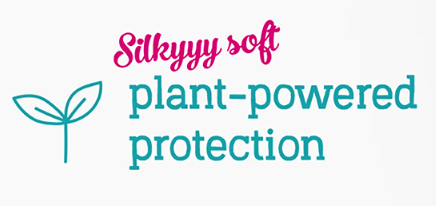
Silky Made Silkier
This brand uses elongation on the word “silky,” stretching it to make the reader feel the quality of the material rather than simply read about it. The extra letters slow the eye down and add a sensory quality to the word that the standard spelling can’t achieve on its own.
It works because “silky” is already a word that sounds like what it means. The elongation amplifies that quality, so instead of registering the word intellectually, the reader experiences it. That’s exactly what elongation is for: turning a descriptor into a feeling.
For a brand selling on texture and quality, this small technique does real work. It costs nothing, adds no extra copy and yet changes the way the product feels before the customer has even touched it. That’s the power of using language that behaves the way you want buyers to feel.
See also