Practical Sales Training™ > How To Get Attention > Rage Bait
Rage Bait
Scroll through any social feed and you’ll find posts built to annoy you. A bold claim. Some hot take. Something just wrong enough that you can’t help typing a reply.
That’s rage bait. And it works, at least for attention. So the bigger question is what it does to your brand once the shouting stops.
What Is Rage Bait?
Rage bait means you deliberately provoke anger or disagreement. The aim is to get people commenting, sharing and engaging with your content.
It often looks like a strong opinion stated far too bluntly. “Cold calling is dead.” “Nobody reads emails anymore.” People rush in to argue. And every angry reply pushes the post in front of more people.
There’s a soft version and a hard version. The soft version takes a bold stance you actually believe. However, the hard version says something you don’t believe, just to start a fight.
Why Does Rage Bait Work?
Anger is a high energy feeling. It makes people act fast. In fact, an annoyed reader is far more likely to hit reply than a calm one.
Social platforms also reward that reaction. Comments and shares tell the feed a post is worth showing. So an angry pile on can carry your post well past your own followers.
There’s a pull to correct people too. When someone reads something they think is wrong, they want to fix it. So they reply, then check back to see who replied to them. As a result, they keep coming back to your post.
How Can You Use Rage Bait?
Pick a Fight With an Idea
The safest rage bait targets a belief, a habit or an industry norm. “Most sales decks are far too long” annoys people. But nobody feels attacked as a person. So you get the debate without the hurt.
Only Say What You’ll Stand Behind
Before you post, ask yourself one question. Would I defend this in front of a client? If the answer is no, don’t post it. A bold view you believe builds trust. But a fake one falls apart the moment someone pushes back.
Put Your Reasoning Right Underneath
A bold opener needs a strong follow up. So put your reasoning in the post itself, straight after the hook. Otherwise people only see the provocation. And they judge you on that alone.
Turn the Debate Into a Conversation
When people argue in the comments, reply well. Thank them, answer properly and hold your ground politely. That way, buyers who are watching see how you handle pushback. And that’s a sales skill on show.
When Does Rage Bait Work Best?
Rage bait works best when you have a real view that goes against the crowd. Then the anger is a side effect. You’re saying something true but unpopular.
It also works in crowded markets where everyone sounds the same. A sharp stance helps you stand out. And it pulls in buyers who already agree with you.
Finally, it suits personal brands more than big companies. People expect strong views from a person. However, from a brand, the same line can feel cynical.
When Does Rage Bait Become Dangerous?
Rage bait gets dangerous fast. Attention and trust are two different things. In fact, a post can reach a huge crowd and still damage how buyers see you.
It’s riskiest when you poke at people instead of ideas. Anything that touches gender, race, religion or politics can blow up beyond your control. And screenshots last forever, long after you delete the post.
It also draws the wrong crowd. The people who show up to argue are rarely the people who’ll buy. So you can end up with big numbers and no sales.
And it wears thin. Post rage bait every week and people stop taking you seriously. Instead, they assume you’ll say anything for a reaction.
What Are the Common Mistakes With Rage Bait?
Mistaking Noise for Results
Comments feel like success. But check what happened next. Did anyone book a call or buy? If not, the post cost you more than it earned.
Relying on Context People Won’t See
Most people see your opening line and nothing else. So if the point only makes sense once they read on, many will never get there. Make it work alone.
Punching Down
Mocking a group of people is the fastest way to lose buyers. So aim at ideas and habits. Leave who people are out of it.
Deleting and Hoping
Once a post goes wrong, deleting it rarely ends the story. People will already have taken screenshots. So own the mistake quickly and plainly.
Rage Bait – An Example
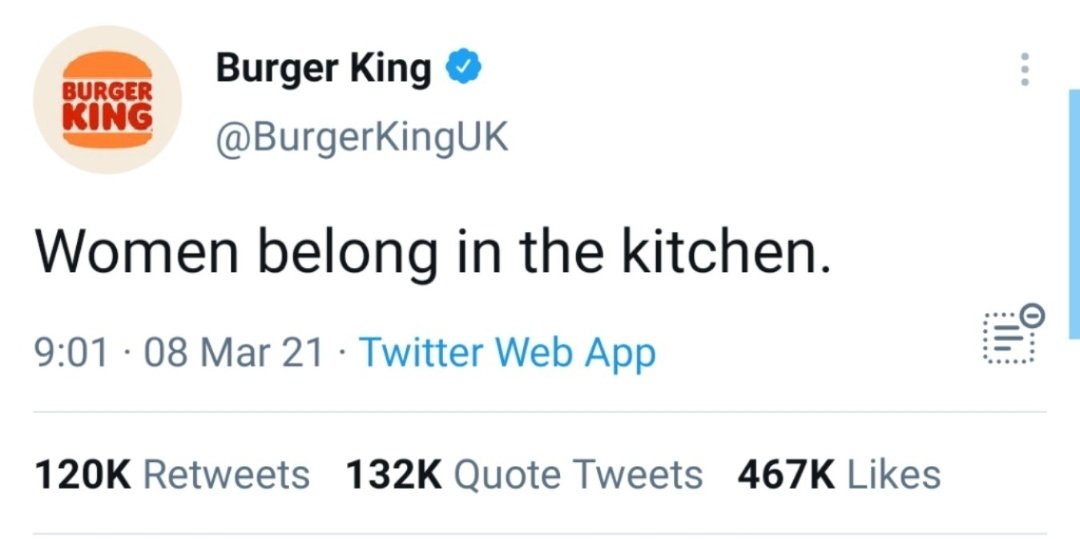
Burger King UK on International Women’s Day
On International Women’s Day in 2021, Burger King UK posted a tweet that opened with an old sexist line. The idea was to flip it. Further posts in the thread explained the real message. The brand wanted to help more women into senior chef roles. So it was launching a scholarship to do that.
But most people only saw the first line. As a result, the point never landed. Instead, the tweet sparked hours of anger and debate. Burger King deleted it and apologised. The marketing boss at its parent company later said that sharing the line without context was a mistake.
It’s a clear case of rage bait gone wrong. The tweet got huge attention. But people remembered the insult. And the scholarship got lost.
So if you use rage bait, test your first line on its own. Ask what someone who reads nothing else will think. If the answer makes you wince, rewrite it.
See Also