

Practical Sales Training™ > How To Lose The Sale > Bad Translation
Bad Translation
Your product name works fine in English. But it might mean something ugly somewhere else.
That’s bad translation. Your name, slogan or message gets lost crossing into a new market. Sometimes it just sounds odd. Sometimes it’s a full blown scandal.
Why Does It Work
Words carry meaning you never intended. That’s the real risk here.
You write your message for one culture. But you often drop it into another without checking. So the words translate fine, yet the feeling behind them doesn’t.
A coffee cup becomes death. A slogan becomes gibberish. So your buyer notices before you do.
As a result, trust drops before the conversation even starts. And you rarely get a second chance to fix a first impression. Especially one that made someone laugh at your brand.
How Can You Use It
Check It With A Real Person
Get a real person to check your name and message, not an app. Because online translators miss slang. They also miss tone and local humour.
A native speaker catches the problem in seconds, so that saves you an expensive mistake. So run this check before launch. Do it early.
Rename When It Matters
Sometimes the fix isn’t a better translation. It’s a new name entirely.
Coca-Cola ran into this in China, since their name sounded fine phonetically but meant something strange. So it changed. New characters, new meaning, better sales.
When Coca-Cola first launched in China, the company translated the name phonetically. But that translation carried an unfortunate meaning tied to a small amphibian and candle wax. So the company switched to characters meaning happiness in the mouth instead.
Vauxhall faced something similar with a car model. The name didn’t travel well, so they dropped it.
Renaming feels like a big call. Still, it’s smaller than losing an entire market over a bad joke.
When It Works Best
This mistake shows up most when you expand fast into new countries.
You’re excited. You want speed. So the local check gets skipped.
That’s exactly when a bad translation slips through and reaches real buyers. Therefore, the bigger your ambition, the more this needs checking, not less.
When It Becomes Dangerous
It becomes dangerous once the mistake goes public before you catch it.
A funny name is annoying. But a truly offensive one is a crisis.
Once it’s out, you can’t quietly fix it, since screenshots travel fast. So your buyer remembers the joke. Even after they’ve forgotten your product.
Common Mistakes
Trusting Online Translators
Relying on an online translator is the most common mistake I see.
It’s fast and free. But it’s also blind to slang, humour and cultural weight. So a machine won’t warn you that your brand name sounds like a cleaning product. A person will.
Skipping The Native Speaker Check
Skipping the native speaker check is the second mistake.
Founders often assume their message is universal. But it rarely is.
So they launch, and then find out the hard way. A short chat with someone local catches it early. That fix costs nothing.
Bad Translation – An Example
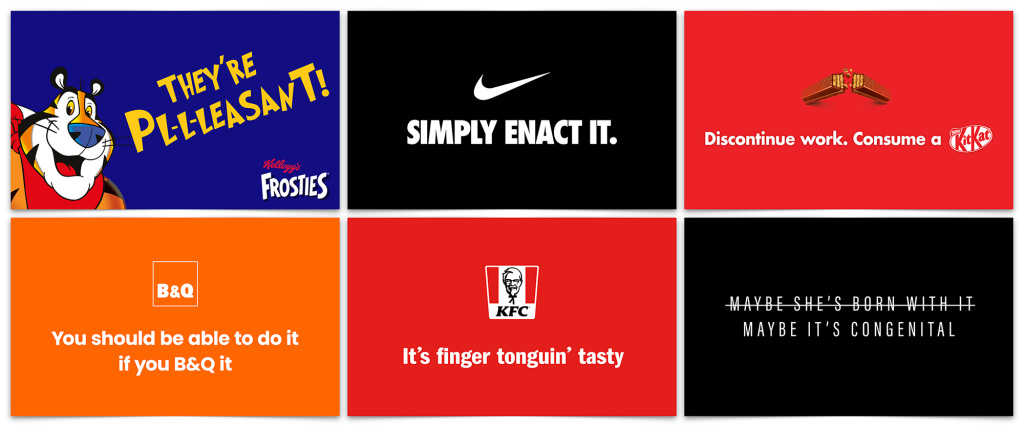
The FranklyFluent Campaign
This ad campaign from FranklyFluent takes well known slogans and badly translates them. So it shows the gap in meaning fast. No lecture needed.
The humour makes the point better than any warning could. So try the same test yourself. Use your own slogans.
You can find more real world examples of brands getting this wrong here.
See Also