Practical Sales Training™ > How To Lose The Sale > Bad Automation
Bad Automation
Automation saves time. But when it goes wrong, it does real damage. A badly timed message, a tone-deaf follow-up, or a fake “personal” email can undo weeks of goodwill in seconds.
Buyers are smart. They know when a message was written for them and when it was fired out to a thousand people. When they spot the difference, trust drops fast.
So if you want to keep buyers on side, you need to know what bad automation looks like — and where it tends to go wrong.
What Is Bad Automation?
Bad automation happens when your systems send the wrong message, to the wrong person, at the wrong time. As a result, the buyer ends up feeling unimportant — like just another row in a spreadsheet.
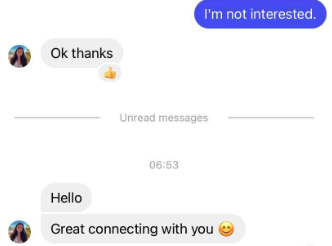
It is not always dramatic. Sometimes it is as simple as a follow-up that ignores what the buyer just told you. Or a “personalised” email that uses their first name but gets everything else wrong.
The damage is not just to that one message. Instead, it chips away at the whole relationship. And in some cases, it ends it.
Why Does Bad Automation Happen?
Automation is genuinely useful. In fact, it frees up time, keeps pipelines moving, and helps you stay in touch at scale. But the same tools that save you hours can make buyers feel invisible.
The problem is context. Automated systems do not read the room. They do not know the buyer just cancelled, or that there was a complaint last week. So they just keep firing.
When a message lands without context, therefore, it does not feel helpful. It feels lazy. And buyers notice.
Worse, some automation is set up to pretend it is human. A “handwritten” sign-off, a fake delay, a first-person tone. But the moment a buyer sees through it, the trust is gone — and it is very hard to get back.
How Can You Use Bad Automation In Sales?
Use it to lose the sale faster
If you want to annoy buyers and drive them away, automate as much contact as possible. Ignore context, pretend every message is personal, and send follow-ups that clash with reality. The buyer will feel it — and act on it.
Use it as a checklist to audit your own systems
Instead, go through every automated message you send and ask: does this still make sense if the buyer has already replied, cancelled, or bought? If not, fix it. Because a few hours of audit work can prevent months of lost trust.
Set suppression rules
Good automation has exit conditions. If someone replies, cancel the sequence. If someone converts, stop the chase. These rules take minutes to set up and, as a result, save you from looking tone-deaf.
Drop the fake human voice
Automated messages do not need to pretend they are live. A clear, honest tone works better. Buyers respect transparency — however, they do not respect being misled.
When Bad Automation Works Best (Against You)
Bad automation does the most damage when your buyer is already lukewarm. A warm lead can tolerate a slightly clunky sequence. But a buyer who was on the fence will use a bad automated message as the reason to walk away.
It also hits harder in high-value or complex sales. In those deals, buyers expect care and attention. So a badly timed automated nudge signals that you do not really understand their situation. The bigger the deal, therefore, the bigger the risk.
When Bad Automation Becomes Dangerous
Bad automation becomes a real problem when it is designed to deceive. Pretending a bot is a human, faking a personal tone, or masking a template as a bespoke message — these are not just bad tactics. They can actively harm your reputation.
If a buyer shares a screenshot of a tone-deaf automated message, it can spread fast. Because automation runs at scale, one mistake does not hit one person — it can hit thousands. And that is very hard to undo.
Common Bad Automation Mistakes
Not building in exit conditions
The most common mistake is letting a sequence run even when it no longer applies. If someone replies, buys, or cancels — the sequence must stop. Without exit rules, your automation keeps talking to buyers who have already moved on.
Pretending it is personal when it is not
Using a first name does not make a message personal. However, many automations lean on this trick and nothing else. Real personalisation means the message fits the buyer’s actual situation — not just their name. Buyers see through the shortcut quickly.
Ignoring timing
A follow-up sent one minute after a buyer cancels looks like you were not listening. Timing matters. Because even a good message, sent at the wrong moment, can feel jarring and careless.
Setting it and forgetting it
Automation needs reviewing. Markets change, situations change, and copy goes stale. So a sequence that worked well last year may read badly now. Build in regular checks to keep your automation relevant.
Bad Automation – An Example
A software company runs an automated email sequence for trial users. One user cancels their trial — but the system does not know. So it fires the next message in the queue:
“We noticed you haven’t tried our premium features yet! Here’s why you should upgrade today.”
The buyer feels ignored because the message does not match what just happened. And as it uses a warm, personal tone, it feels even worse — like the company was watching but did not care.
A better response would be simple and honest:
“We saw you’ve decided not to continue your trial — thanks for trying us out. Was there anything missing or unclear that we could improve?”
Same trigger. Totally different result. Because one message fits the context and one does not.
Need help with automation? James personally recommends Lisa Catto — the queen of automation. She’s even more organised than he is.

See Also