Practical Sales Training™ > How To Get Attention > Deliberate Mistake

Deliberate Mistake
“Please find the proposal attached.” No attachment. Nine times out of ten, that gets a reply within the hour.
That’s not carelessness. It’s a deliberate mistake, and it works because people notice errors far more reliably than they notice a plain, correct message.
What Is A Deliberate Mistake?
A deliberate mistake is a sales technique where you intentionally make a small, harmless error in your message to create a reason for further contact. It works on a simple principle. People notice mistakes, and they often feel compelled to respond, correct, or follow up.
Used well, a deliberate mistake breaks silence, reopens a stalled conversation, and drives activity, all without sounding pushy or desperate.
Why Does It Work?
In most sales conversations, silence kills progress. A deliberate mistake gives your prospect a simple, low-pressure reason to reply. Forgetting to attach a promised file, mentioning the wrong date, or slightly misnaming a product all prompt the same instinct.
When someone notices the small error, they often reply just to correct it. That single reply creates fresh dialogue, reopens the conversation, and lets you continue the sales process naturally.
The key word is harmless. Nothing critical, and nothing that damages trust. The mistake simply creates a natural excuse for interaction, rather than a reason to doubt you.
How Can You Use A Deliberate Mistake?
Use this technique when a prospect has gone quiet and you need a gentle reason to re-engage, when you want to test if someone is still paying attention, or when you need to trigger activity without sounding pushy.
In Follow-Up Emails
“Hi John, please find the proposal attached…” with no attachment included. A genuinely interested prospect will reply almost immediately to ask where it went.
In Meeting Confirmations
“Looking forward to seeing you next Wednesday at 2pm,” when the meeting was actually agreed for Thursday. The wrong day prompts an instant correction, and the conversation reopens naturally.
In Order Summaries
“We’ve included 20 units as agreed,” when you’d actually discussed 25. The mismatch draws a quick reply, and you get to confirm the order while keeping the conversation alive.
When they respond, you simply correct the error and carry on the conversation from there.
When It Works Best
This technique works best when a prospect has gone quiet but was previously engaged, since a genuinely interested person is far more likely to notice and respond to a small error. It’s especially useful in the awkward gap between a strong first conversation and a stalled follow-up.
It also works well as a light test of attention, since someone who replies to correct the mistake has just shown you they’re still reading closely.
When It Becomes Dangerous
This technique is subtle by design. Overuse or obvious manipulation can damage trust fast, since a pattern of convenient “mistakes” eventually looks deliberate for the wrong reasons.
Use it sparingly, and only when it genuinely fits the moment. The goal is to create conversation, not frustration, so if a mistake ever risks looking careless or unprofessional rather than charming, it’s not the right one to use.
Common Mistakes
Choosing An Error That Feels Careless
A typo in a client’s name or company reads as sloppy, not charming. Stick to genuinely harmless details, like a missing attachment or a small date mismatch.
Using It Too Often With The Same Person
A prospect who spots the pattern after the second or third “mistake” stops trusting your messages entirely. Save this technique for occasional, genuine moments of silence.
Forgetting To Correct It Quickly
Once someone replies to point out the error, respond fast. A slow correction turns a clever nudge into a genuine inconvenience for the person who caught it.
Deliberate Mistake – An Example
The Missing Attachment
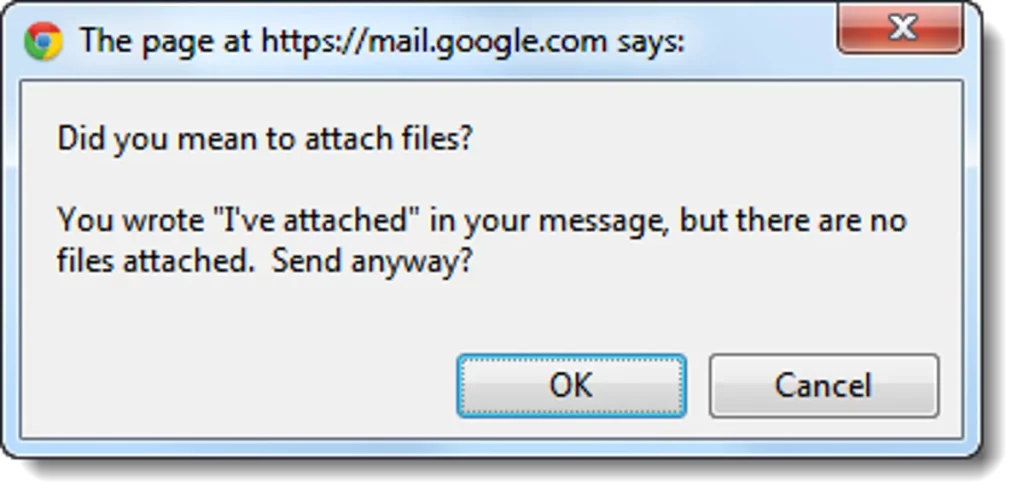
Say something is attached and don’t attach it. Anyone genuinely interested will ask for it, and in doing so, they show you their intention without you ever having to ask directly.
The Broken Link
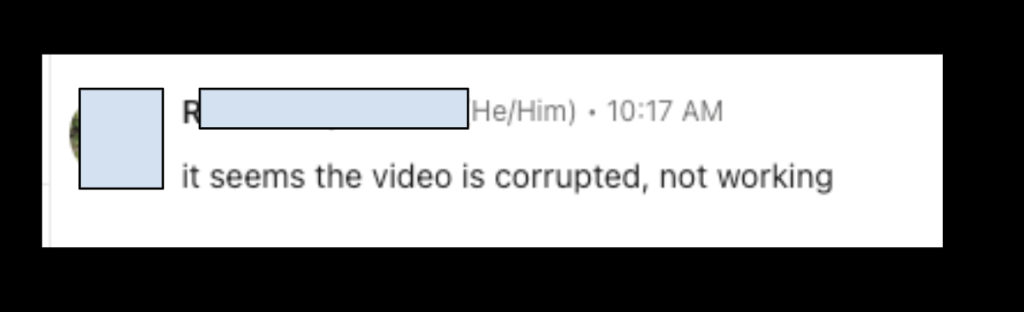
Alternatively, send a link with a single character removed, so it fails to open. Someone who wants what’s behind that link will let you know quickly, giving you a clear signal of real interest.
See Also