Practical Sales Training™ > How To Lose The Sale > Robotic Voice Notes

Robotic Voice Notes
A voice note is meant to feel personal. It’s you, talking, to one specific person. But the moment it sounds rehearsed or rushed, that whole point disappears.
That’s a robotic voice note. The format promises something human, but the delivery gives away that it wasn’t really meant for the listener at all.
This page covers what makes a voice note feel robotic, why it damages trust so quickly, and how to keep your own voice notes sounding like you.
What Is A Robotic Voice Note?
A robotic voice note is a message that sounds scripted, rehearsed, rushed, or mechanically delivered instead of naturally spoken.
It usually happens when someone reads from prepared text, repeats a memorised pitch, or tries too hard to sound polished. The delivery goes flat, or unnaturally fast, with barely any change in tone or pace.
The listener picks up on this fast. They can tell someone produced the message rather than just spoke it. So even though the format suggests something personal, the experience feels exactly the opposite.
Why Do Robotic Voice Notes Lose The Sale?
A voice note sets up an expectation straight away. Hearing someone’s actual voice implies effort, presence, and real attention paid to you specifically.
When the delivery sounds automated or scripted, that expectation breaks instantly. The brain picks up on small signals: unnatural pacing, no real pauses, identical phrasing used over and over, or the sense that someone is reading rather than thinking.
Instead of building connection, the message starts to look like mass outreach wearing a personal disguise. And the listener feels that shift, even if they can’t immediately explain why.
This creates quiet friction. The recipient may not consciously work out what feels wrong, but engagement still drops. Replies slow down or stop completely, because the interaction no longer feels real.
In short, the format promises a human. The delivery reveals a machine.
This isn’t just a feeling either. Research consistently shows that personalised communication drives far more engagement than generic or automated messaging. In fact, McKinsey & Company found that 71% of consumers expect personalised interactions from companies, and 76% get frustrated when communication feels impersonal or mass produced. (Source: McKinsey & Company)
How Can You Avoid Robotic Voice Notes?
Avoiding a robotic voice note is less about your equipment and more about your intention behind it.
Speak Like You’re Replying, Not Presenting
A voice note works best when it sounds like the next line in a conversation, not a speech. Picture yourself responding naturally instead of delivering information at someone. Short, conversational messages tend to feel far more credible than carefully built ones.
Don’t Read From A Script
Preparation helps, but reading word for word strips out your natural rhythm. If you need structure, use a few short prompts instead of full sentences, so your delivery stays spontaneous. Listeners respond to someone thinking in real time, including the small pauses and informal phrasing that come with it.
Slow Your Pace Down
Most robotic voice notes come from rushing. Speak a little slower than you normally would, and the message instantly feels more intentional instead of transactional. Natural breathing and pauses help bring the authenticity back.
Personalise Beyond Just The Name
Mention something specific about the person or their situation, and it instantly signals the message exists for them and nobody else. People spot a generic message fast, especially once they’ve heard it more than once. So even one relevant detail changes how the whole note lands.
Keep It Short
A long voice note tends to drift into presentation mode. A short one respects the listener’s attention and keeps that conversational energy intact. If your message really needs structure or detail, a written message is probably the better choice anyway.
When Robotic Voice Notes Cause The Most Damage
They hurt most on a first contact, before any relationship exists to fall back on. A stranger’s first impression of you is built entirely on that one message, so a scripted, rushed delivery becomes the only evidence they have, and it’s bad evidence.
They also do more damage at scale. Send the same robotic voice note to fifty people, and at least a few of them will compare notes, or simply recognise the pattern themselves. Once spotted, it can’t be unheard.
When Voice Notes Become Dangerous Even If They’re Not Robotic
Even a genuinely natural voice note can backfire if it’s too long, too frequent, or sent without any real reason. A two-minute voice note from a stranger feels like a demand on someone’s time, not a gift.
So the goal isn’t just sounding human. It’s respecting the listener enough to keep the message short, relevant, and easy to receive.
Common Robotic Voice Note Mistakes
Writing It Like A Script First
Typing out the message before recording it almost guarantees it sounds read. Speak the idea first, then refine it, rather than reading from a finished paragraph.
Aiming For A “Perfect” Length
A voice note that lands at exactly one minute, every single time, gives away that someone rehearsed or reused it. Real conversation doesn’t come in neat, identical packages.
Sending The Same Note To Everyone
A message with no specific detail about the recipient reads as mass outreach the moment someone hears it, no matter how warm the tone sounds.
Robotic Voice Notes – An Example
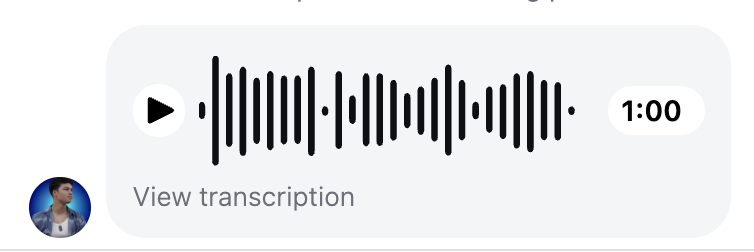
I get voice notes like this all the time. Rushed, scripted, not personal to me in any way, and somehow always exactly one minute long. What’s the point?
A voice note is meant to connect with someone, not spam them. If it sounds identical to the last fifty you sent, it isn’t a personal message anymore. It’s just a script with a microphone attached.
See also