Practical Sales Training™ > How To Connect With Your Buyer > In-Group Bias
In-Group Bias
You’re at a conference where you don’t know anyone. Then someone mentions they’re from your home town. Suddenly, you’ve got a friend in the room.
That’s In-Group Bias. We favour people who feel like “one of us.” We trust them faster, help them more and give them the benefit of the doubt.
In sales, that matters. When a buyer sees you as part of their tribe, you become more than a supplier.
What Is In-Group Bias?
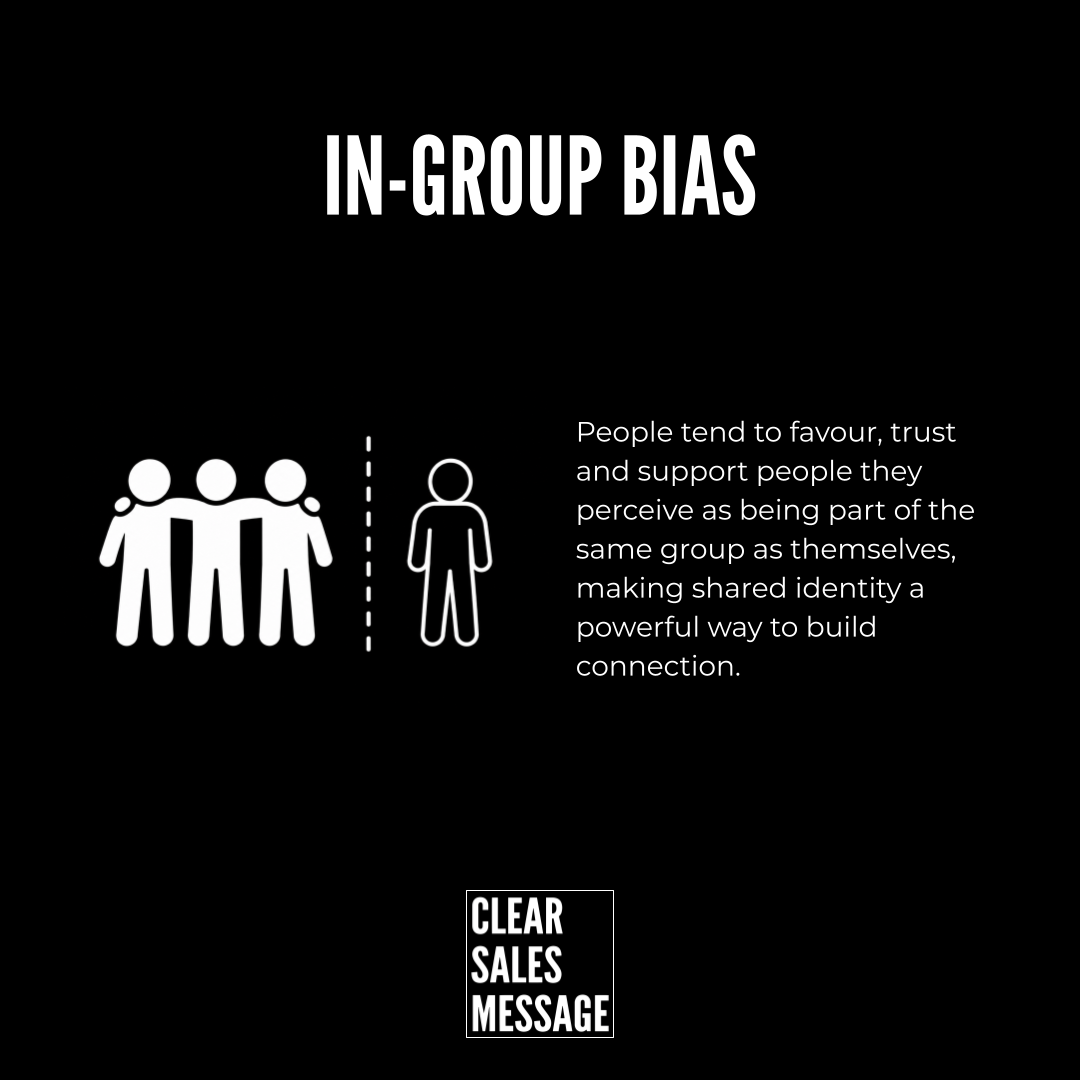
In-Group Bias means people favour, trust and support those they see as part of their group. That group could be a team, a town, a profession or a shared interest.
The link can be tiny. Supporting the same football club or going to the same university is often enough. In fact, people bond over the smallest shared details.
It’s different from simply copying someone’s behaviour or agreeing with their views. In-Group Bias is about identity. It’s the feeling that “you’re one of us.”
Why Does In-Group Bias Work?
It works because humans have a deep need to belong. For most of history, sticking with your group kept you safe. So we still trust insiders more than outsiders.
It also cuts doubt. Buyers assume someone from their group shares their values. As a result, they relax and listen more openly.
Then there’s understanding. A seller from the same industry seems to “get” the buyer’s problems. Similarly, they use the same language without trying.
Finally, it creates loyalty. People stick with suppliers who feel like part of the team. Even when a rival is cheaper, switching can feel like betrayal.
How Can You Use In-Group Bias?
Here’s how to use it honestly.
Look For Real Common Ground
Before a meeting, check the buyer’s LinkedIn profile. Shared industries, places, schools or interests can all spark a connection.
Speak Their Industry’s Language
Use the terms your buyers use every day. So you sound like an insider rather than an outsider trying to sell.
Show Clients Like Them
Case studies from the buyer’s own sector say “people like you work with us.” As a result, choosing you feels natural.
Join Their Communities
Attend the events, groups and forums your buyers belong to. Then you become a familiar face inside their world.
Build A Shared “Us”
Frame the challenge as something you face together. For example, “Teams like ours always struggle with this.” That makes you an ally rather than a vendor.
When Does In-Group Bias Work Best?
It works best early in a relationship. Shared identity speeds up trust when you have no track record yet.
It also helps in niche markets. When buyers belong to a tight-knit industry, insiders win more often.
And it shines when rivals look the same. If offers and prices match, connection often decides the deal.
When Does In-Group Bias Become Dangerous?
It gets dangerous when you fake it. Fake love for a team or hobby soon shows. Then trust collapses.
It also backfires when you exclude others. Leaning hard on one shared identity can alienate other people in the buying group. So keep the connection light and inclusive.
Watch out for relying on it too much as well. Rapport opens the door, but you still need a strong offer to close the deal.
What Are The Common Mistakes With In-Group Bias?
Most mistakes come from forcing the connection. Here are the ones I see most.
Faking Shared Interests
Buyers can spot a fake fan in seconds. So only mention links that are real.
Overdoing The Small Talk
Twenty minutes of football chat can wear thin. Instead, connect briefly and then move on.
Ignoring Industry Identity
Shared work experience often matters more than hobbies. So show you know their world.
Taking Sides Too Hard
Mocking a rival team or group can offend someone else in the room. So keep it friendly.
In-Group Bias – An Example
The Football Fan Car Buyer
Imagine two car dealerships offering exactly the same vehicle at the same price.
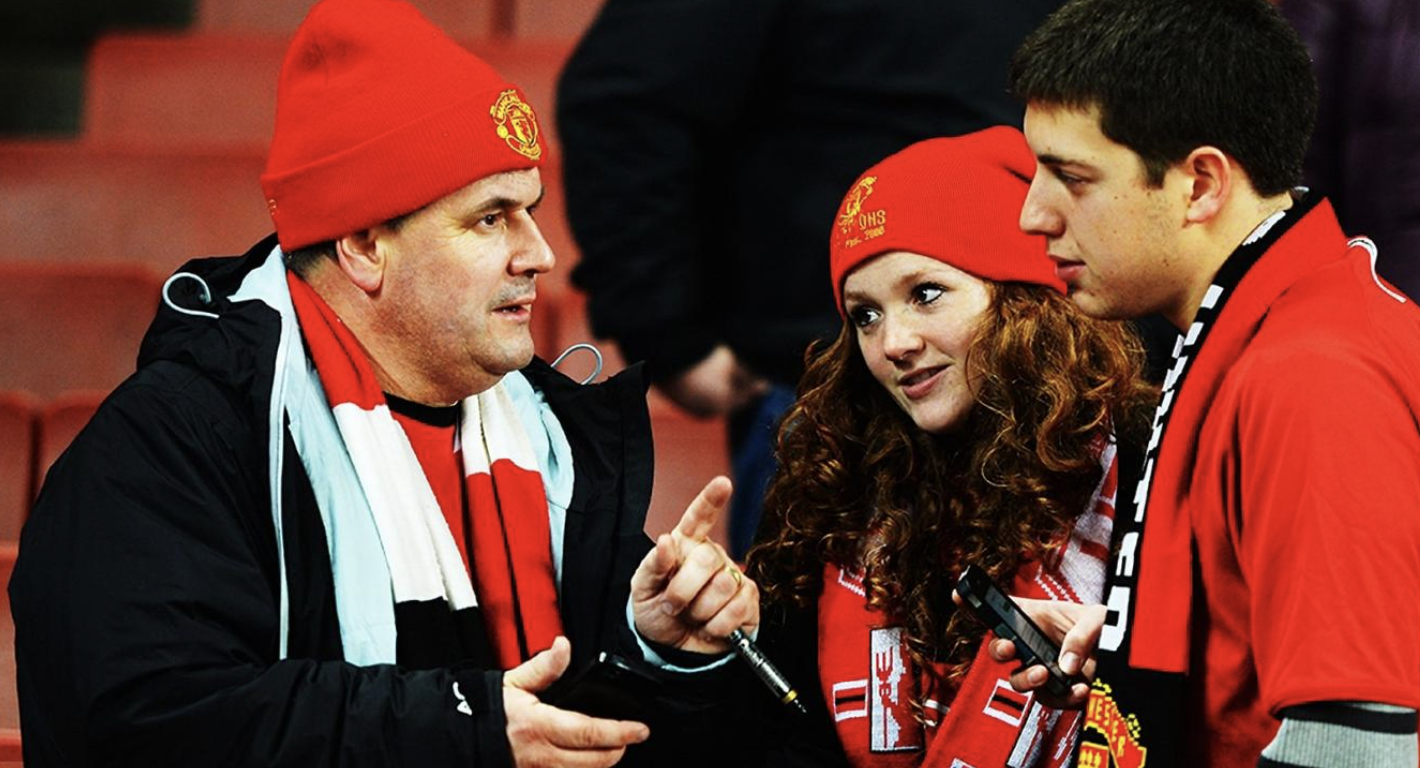
At one dealership, the salesperson notices the customer’s Manchester United shirt. They mention they’re a lifelong supporter too.
They start chatting about recent matches, favourite players and trips to Old Trafford.
Suddenly, the customer feels they have something in common. As a result, they may feel more comfortable with that salesperson and trust them more. And all because they share the same team.
The sales lesson: genuine shared identities make it easier to build trust. That could be the same football club, the same industry or the same professional community.
The key point: In-Group Bias means favouring someone because they’re one of us.
See Also