
Practical Sales Training™ > How to connect with your buyer > Gamification

Gamification
People find it very hard to walk away from a challenge. When there is a next level to reach, a streak to protect, or a score to beat, something in us wants to keep going. Gamification uses that instinct to drive action.
It shows up in apps, loyalty schemes, training programmes, and sales tools. But the core idea is always the same. When you frame progress as a game, people engage more deeply and stay engaged for longer.
In sales, that means more time spent with your brand, more reasons to come back, and a stronger bond before the buyer ever makes a purchase. Because when buying feels like winning, it becomes something people want to do.
What Is Gamification?
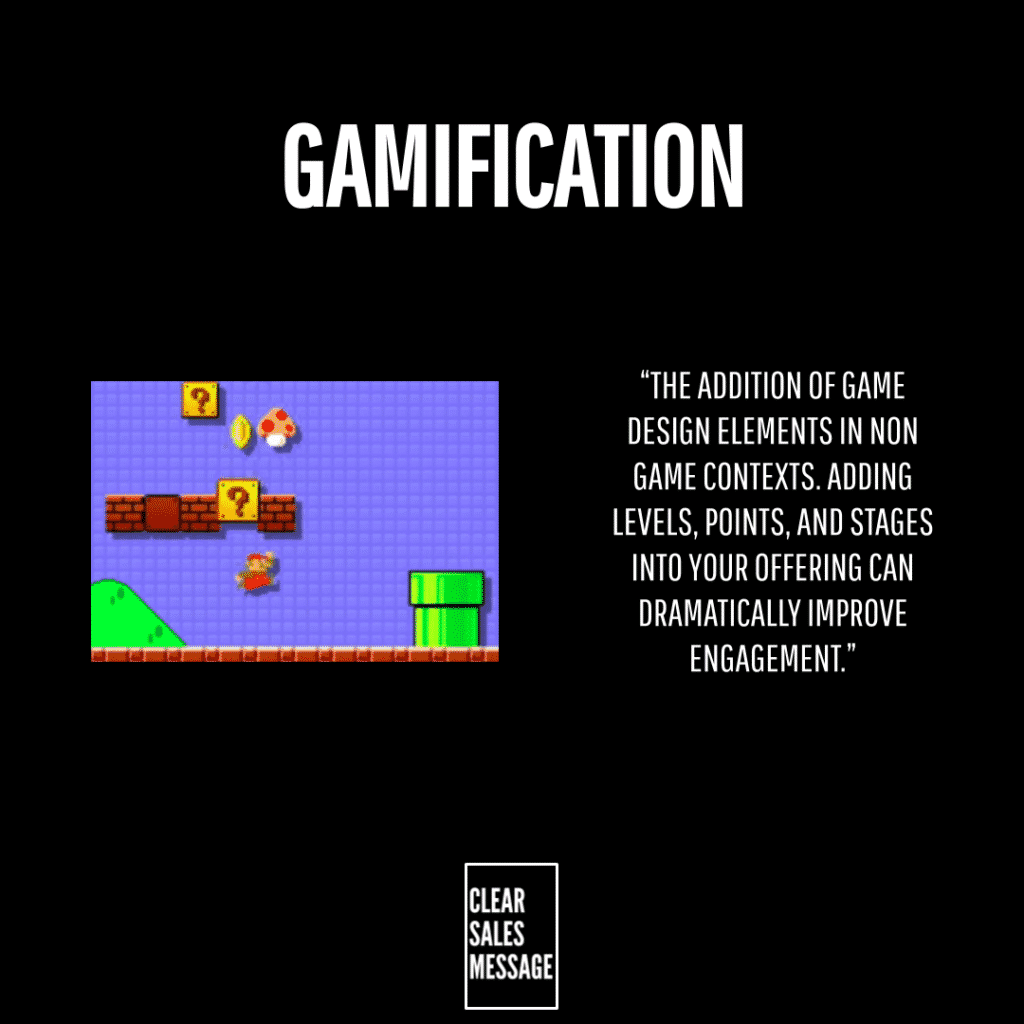
Gamification is the practice of adding game elements to a non-game experience. Points, levels, badges, streaks, and leaderboards all count. The goal is to make an action feel more rewarding and more compelling than it would on its own.
It works across almost every category. Retail uses loyalty points. Fitness apps use streaks and personal bests. Learning tools use levels and awards. Sales teams use leaderboards and targets. In each case, the game layer makes the core activity more sticky.
The key is that the rewards don’t have to be big. Just look at the success of Candy Crush, which offers no prize beyond the feeling of reaching the next level. The progress itself is the reward. When you tap into that, you tap into something very strong.
Why Does Gamification Work?
It works because most of us are naturally driven to compete, improve, and complete things. When we see a challenge in front of us, we feel the pull to respond. This connects directly to Reactance. When we are told there are more levels, more points, or more stages to reach, the urge to pursue them is hard to ignore.
Gamification also works because it makes progress visible. When buyers can see where they are and what comes next, they know what to do. That clarity reduces friction and makes the next step feel small. So instead of a big decision, each move feels like a natural part of the journey.
Also, games create a sense of ownership. When someone has built up points, completed stages, or held a streak for 30 days, they have invested time and effort. As a result, they are far less likely to stop. The sunk cost keeps them in. That bond is worth a great deal to any business that relies on repeat engagement.
How Can You Use Gamification In Sales?
The starting point is to think about your buyer’s journey in terms of levels. Where are they now? What does the next stage look like? When you frame your offer as a step up from where they currently are, it feels like progress rather than a purchase.
Frame Your Offer as the Next Level
Think about where your buyer sits right now and name it as a level. For example, if you have a sales message you are at level one. But if that message has no tagline, no call to action, and no opening gambit, you are stuck there. The Clear Sales Message Course is level two. That framing makes buying feel like an upgrade, not a cost.
Use Points and Rewards to Drive Repeat Buying
A points system turns each purchase into a step towards something. The buyer is not just spending money. They are building towards a reward. When that reward is close, they will often buy again sooner than they planned, just to reach the next tier. Because the game logic overrides the spending logic.
Create Streaks and Milestones
Streaks are one of the most powerful tools in gamification. When a buyer has engaged for five days in a row, they don’t want to break the run. So they come back on day six. When they reach a milestone, such as 100 days or ten purchases, recognise it. A badge, a message, or a small reward makes the moment feel earned. That feeling keeps people coming back.
Use Leaderboards to Add Competition
When buyers can see how they rank against others, many will push harder to move up. Leaderboards work well in B2B, in communities, and in any setting where buyers share a common goal. However, make sure the competition feels fair. If the top spots are unreachable, buyers near the bottom will disengage rather than try harder.
When Gamification Works Best
Gamification works best when the activity you want to encourage already has some natural appeal. Games add fuel to desire. But if the core product or task feels like a chore, a leaderboard won’t fix that. So start with something buyers want to do, then use gamification to make them want to do it more.
It also works best when the rewards match what your buyers care about. Status works well for some. Discounts work better for others. Knowing your buyer helps you pick the right reward so the game feels worth playing.
Also, gamification is most effective when the next step is always clear. Buyers need to know what to do to move up. When progress feels vague, the motivation drops. So map the levels, set the targets, and make sure every buyer knows exactly where they are and what comes next.
When Gamification Becomes Dangerous
The risk comes when the game replaces the value rather than adding to it. If buyers are only engaged because of the points and would leave the moment the rewards stopped, the bond is shallow. Gamification should reinforce a good product, not paper over a weak one.
There is also a risk of manipulation. When game mechanics are used to push buyers into spending more than they planned or to make it hard to stop, trust breaks down. Ethical use of gamification enhances the experience. But when it starts to feel like a trap, buyers notice. And they leave.
However, the most common danger is complexity. Too many levels, too many rules, and too many badge types all add friction rather than fun. Keep the game simple. When buyers have to read a guide to understand how the points system works, it has gone too far.
Common Gamification Mistakes
Making the Rewards Too Weak
One common mistake is setting up a points system where the rewards are so small or so far away that buyers don’t bother. If it takes two years of regular purchasing to earn a free coffee, the game doesn’t feel worth playing. So set rewards that feel achievable and worth working towards. Because if the prize is too small, no one will chase it.
Overcomplicating the System
Another mistake is building a system so complex that buyers can’t follow it. Multiple point types, overlapping tiers, and hard-to-track progress all kill engagement. Keep it simple. One clear metric, one visible target, and one obvious reward is far more effective than a system that needs a manual to explain it.
Forgetting to Celebrate Progress
A third mistake is creating levels and milestones but not making a moment of them when buyers reach them. The celebration is part of the reward. A simple notification, a badge, or a personal message when someone hits a milestone makes the achievement feel real. Without that, the level just ticks over and the buyer feels nothing. So mark the moments. They matter more than you think.
Gamification – An Example
Duolingo is one of the most well-known examples of gamification done well. The app tracks how many days in a row you have used it and celebrates each milestone with a streak count.
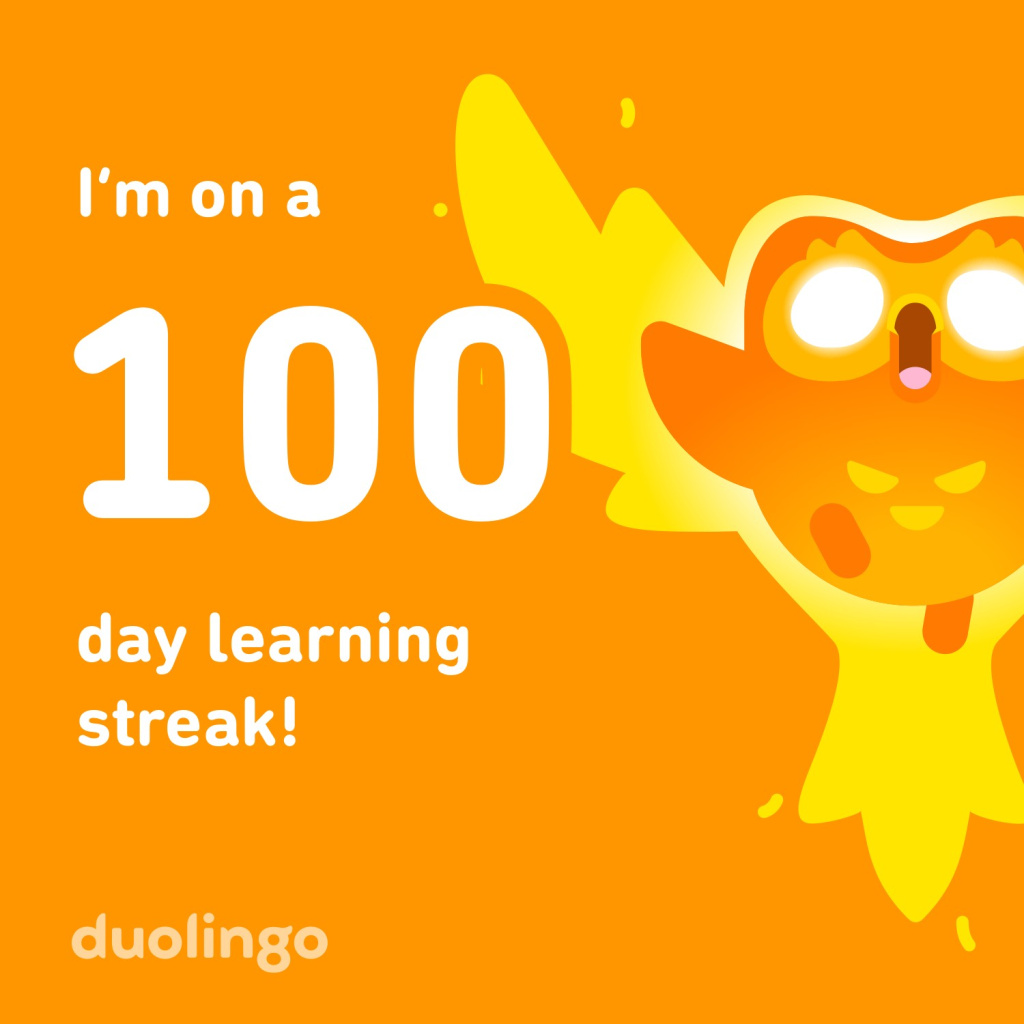
When a user hits 100 days, the app makes it a moment to be proud of. That streak becomes something worth protecting. Users come back not just to learn, but to keep the number going. The game has created a habit, and the habit drives the result.
No cash prize. No physical reward. Just the feeling of progress and the fear of losing a streak they have worked hard to build. That is gamification at its most effective.
See Also