Practical Sales Training™ > How To Lose The Sale > Contact Security
Contact Security
What Is It
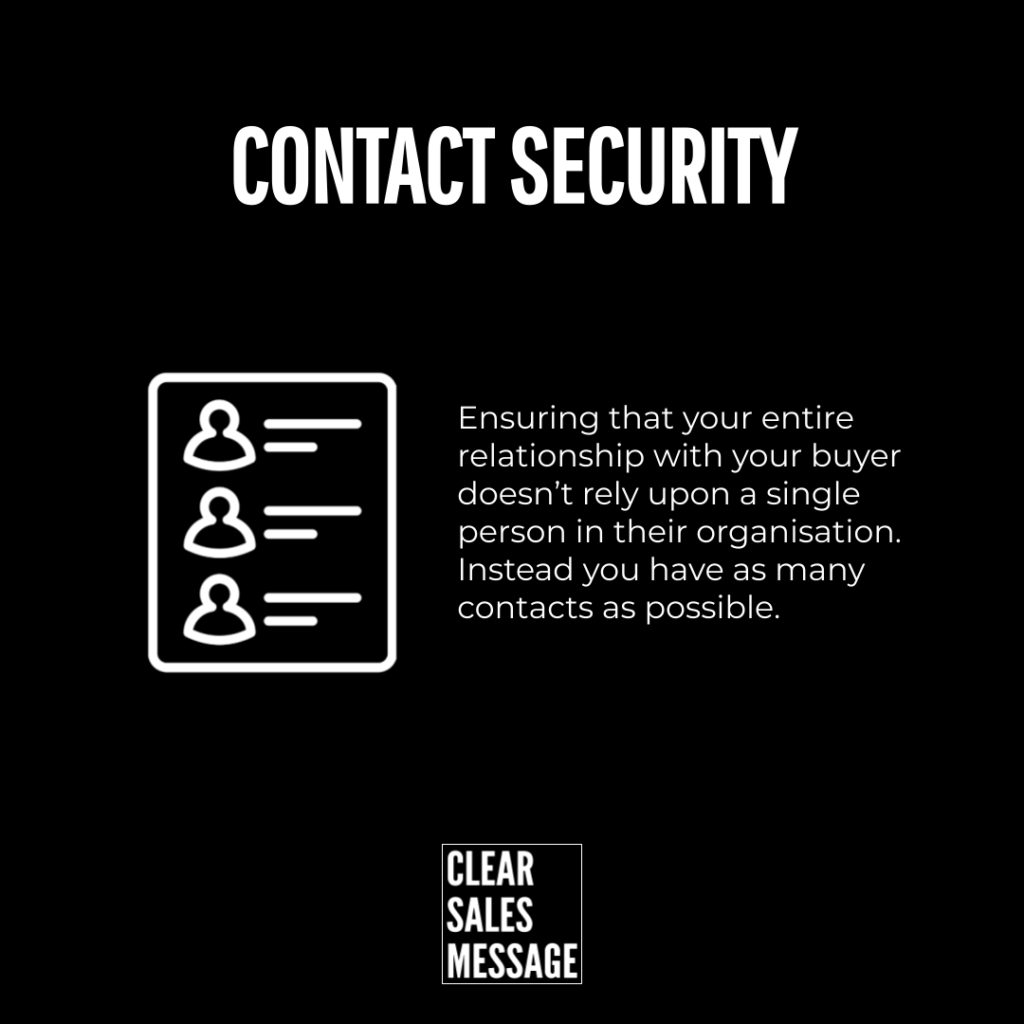
Most people have only one point of contact with their buyer. That single relationship is a single point of failure, and it can be genuinely dangerous.
Building more relationships with more people helps considerably. Your chances of retaining the buyer rise, even if your main contact leaves entirely.
Why Does It Work
It works because if your contact moves, leaves, or anything else goes wrong, other people can still advocate for you. They keep communication open even when your main relationship disappears.
Without that backup, one departure can end the entire relationship overnight. With it, the account survives even a significant change on the buyer’s side.
How Can You Use It
Build On Contact You Already Have
Chances are, you already have some contact with other people at your buyer’s company. Notice who they are, and start there rather than from scratch.
Invest A Little Time Regularly
Connect with them on LinkedIn. Find genuine excuses to email or call. Above all else, be as nice and accommodating as possible, every single time.
When It Works Best
It works best in longer sales cycles and ongoing accounts, where a single relationship has time to become genuinely fragile. The longer the relationship, the more valuable the backup becomes.
It’s also useful in industries with high staff turnover. The odds of your main contact eventually leaving are simply higher than average.
When It Becomes Dangerous
Relying on a single contact becomes dangerous the moment that person leaves without warning. Deals and relationships can vanish overnight, with nobody left who remembers you.
It’s also risky if your main contact feels replaced or sidelined by your efforts elsewhere. Balance building other relationships with respecting the primary one.
Common Mistakes
Only Reaching Out When You Need Something
Contacting a secondary relationship purely when your main contact goes quiet feels transactional. Build the relationship before you actually need it.
Ignoring Junior Or Less Senior Contacts
Overlooking people who seem less important today often costs you later, since today’s junior contact can become tomorrow’s decision maker.
Letting The Relationship Go Cold
A LinkedIn connection made once and never followed up barely counts as a relationship at all. Keep the contact warm with occasional, genuine touchpoints.
Contact Security – An Example
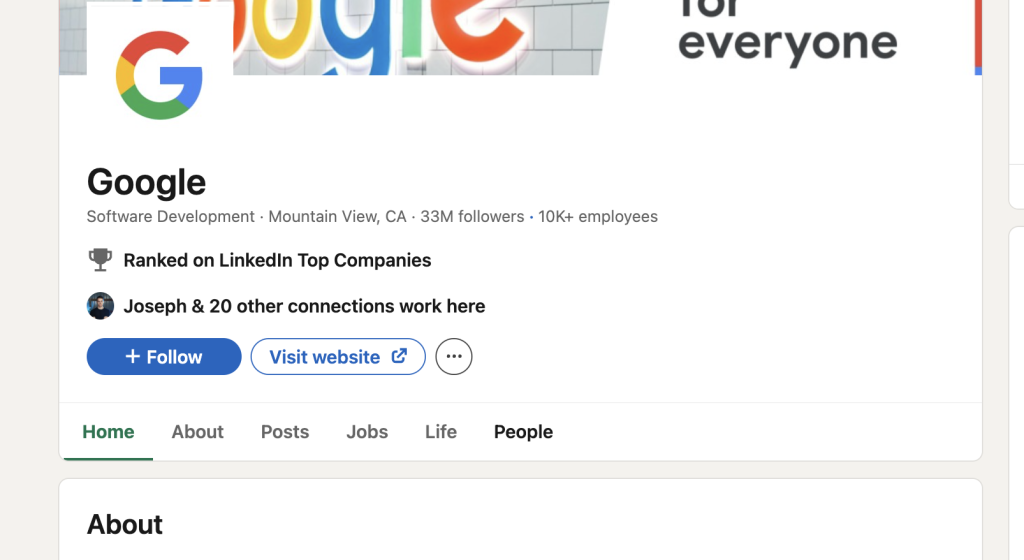
Finding People Through LinkedIn
LinkedIn company pages are a genuinely simple way to find other people who work at your buyer’s company. A short search often reveals names you’d never have found otherwise.
From there, a small amount of consistent effort turns strangers into a genuine safety net for the relationship.
See also