Practical Sales Training™ > How To Get Attention > Named Discount

Named Discount
What Is It
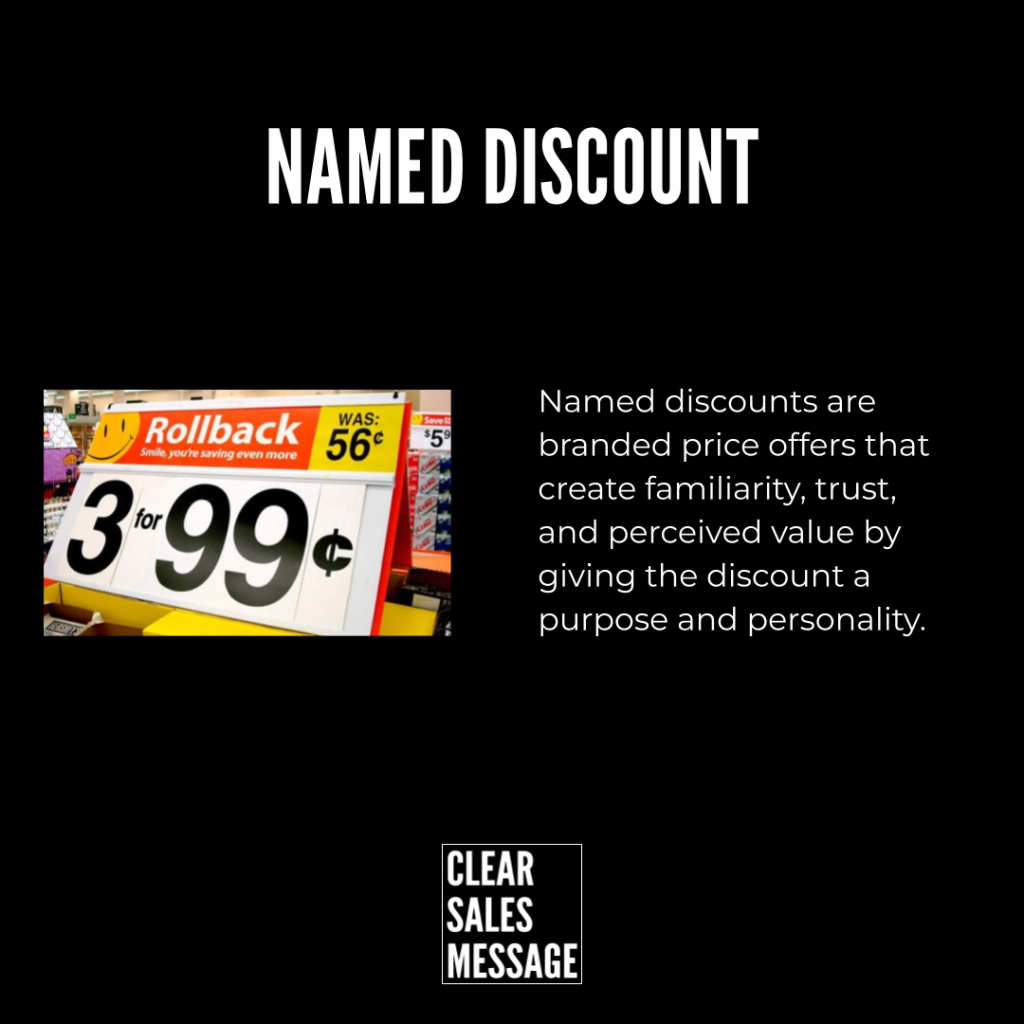
Ten percent off sounds like a markdown. Member Price sounds like a benefit. Same discount, completely different feeling. That’s a Named Discount at work.
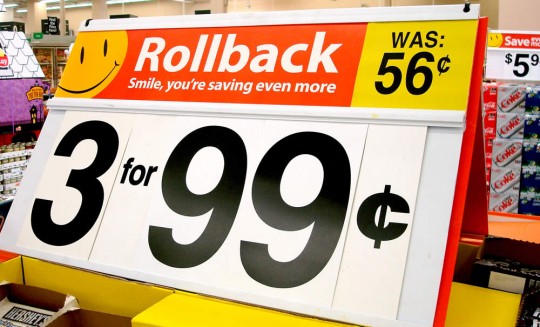
It’s a promotional offer with a branded or thematic name that makes it feel intentional and structured. So you get Member Price instead. Or Rollback Deal. Or Founder’s Rate. The name becomes part of your brand language, not just a temporary markdown. It works especially well in retail, SaaS, membership models, and loyalty programs.
Why Does It Work
It works because it shifts how the customer sees the offer. So instead of a simple price cut, they see a purpose or a structure behind the lower price.
It feels strategic rather than reactive, since a named discount reads as a deliberate decision. So Club Price feels established. Words like Early Access or Insider Rate add urgency, making the buyer feel included in something exclusive. So repeating the name builds familiarity. Familiarity builds trust.
How Can You Use It
When The Discount Is Too Small To Matter
So use a name when the discount itself is too small to matter on its own. Naming it gives the offer real weight. Smart Price sounds intentional. Ninety nine pence off sounds like an afterthought.
When It Costs More Effort Than It Saves
Use a name when redeeming the discount takes real effort. So Loyalty Bonus sounds worth the hassle. Five pounds off after entering a code never quite manages that.
When It Won’t Change Buying Behaviour Alone
Use a name when the discount won’t actually change anyone’s mind on its own. So Insider Rate or VIP Access adds emotional appeal. Even when the real saving is genuinely small.
When It Works Best
This works best when the name matches something true about the offer or the customer. So a Founder’s Rate should feel earned. Not just borrowed for the occasion.
It also works well across repeated campaigns, since consistency is what actually builds the trust. So the same name builds recognition. It starts to feel like a permanent feature.
When It Becomes Dangerous
This becomes a problem if the name oversells a discount that’s genuinely tiny or meaningless. A tiny discount falls apart fast. The maths gives it away.
It also backfires if you change the name every single campaign. So a discount with no consistent identity never builds real recognition.
Common Mistakes
Overselling Exclusivity
Some brands pick a name that sounds exclusive but describes something available to absolutely everyone. So save exclusive words for real limits.
Reusing A Name Until It’s Meaningless
Others reuse a name so often it stops meaning anything at all. So refresh the name occasionally, or the familiarity turns into background noise.
Burying The Actual Saving
Some brands name the discount, then bury the actual saving in confusing terms and conditions. So keep the value just as clear.
Named Discount – An Example
Rollback And Clubcard Pricing
Asda built Rollback around one simple idea, prices dropping back down instead of a generic sale. Tesco did the same with Clubcard Pricing. It tied the price to loyalty membership instead. So neither retailer needed to explain the mechanics further. The name alone told shoppers exactly what kind of deal they were getting.
See also: