Practical Sales Training™ > How To Lose The Sale > Renewal Price Hurdle

Renewal Price Hurdle
Your subscription quietly jumps a few pounds at renewal. The product hasn’t changed. But something feels different anyway, and it isn’t really about the money.
That’s a renewal price hurdle. The increase itself rarely causes the anger. The feeling that nobody asked first does.
This page covers what a renewal price hurdle is, why it triggers suspicion so fast, and how to handle it without losing the customer over a few pounds.
What Is A Renewal Price Hurdle?
A renewal price hurdle is the moment when a subscription renews at a higher price than the one originally agreed.
That increase creates instant friction. Even if the product is still good value, the buyer feels like something changed without their permission. So the real hurdle isn’t the money. The hurdle is trust.
Why Does A Renewal Price Hurdle Work This Way?
Buyers anchor emotionally to the first price they pay. So when the renewal price jumps, the brain flags it as a loss, not just a continuation.
It triggers thoughts like “they’re trying to sneak this in,” “I didn’t agree to this,” or “what else will change later?” Even a small increase feels unfair, because it breaks expectation.
But if the buyer challenges the increase and it gets removed quickly, something interesting happens. Relief replaces suspicion. Control replaces frustration. Trust partly returns. So the act of challenging becomes a kind of release valve.
How Can You Use This In Sales?
Reassure Rather Than Defend
Acknowledge the discomfort immediately. Don’t justify the increase before you’ve validated how the buyer feels about it.
Remove Friction Fast
If a buyer challenges the renewal price, speed matters more than a long explanation. A quick adjustment feels generous and human, even when the amount involved is small.
Signal Fairness
By backing down easily, you show you’re not trying to trap anyone. That reassurance often matters more to the buyer than the money itself.
Prevent Churn
Most cancellations at renewal are emotional, not rational. So lower the emotional barrier, and retention improves on its own. People don’t leave because of price increases. They leave because price increases feel sneaky.
A renewal price hurdle isn’t really about revenue. It’s about perceived intent. And perceived intent drives trust.
When A Renewal Price Hurdle Is Most Risky
It’s most risky when the increase arrives as a surprise, with no warning email or explanation beforehand. Silence before the price change makes it feel sneaky, even if the increase itself is small and reasonable.
It also matters most for subscriptions with low day-to-day visibility, like insurance or annual memberships, since the buyer hasn’t thought about the value in months and only notices the price jump.
When A Renewal Price Hurdle Becomes Dangerous
It becomes dangerous when a business refuses to budge even slightly, treating every challenge as an attempt to get something for nothing. That rigidity confirms exactly the suspicion the buyer already had.
It also damages trust further if the same renewal trick repeats every single year, since a customer who has to fight for a fair price annually eventually decides the fight isn’t worth it anymore.
Common Renewal Price Hurdle Mistakes
Raising Prices With No Warning
A silent price jump at renewal reads as sneaky, even if the new price is still fair. Tell customers in advance, before the renewal date arrives.
Making The Challenge Process Difficult
Forcing a customer through a long, defensive process to question a price increase turns a small complaint into a real grievance. Make it easy to ask, and easy to resolve.
Treating Every Increase The Same Way
Applying the same blanket increase to every customer, regardless of loyalty or tenure, ignores the people most likely to feel betrayed by it. Reward long-term customers differently from brand new ones.
Renewal Price Hurdle – An Example
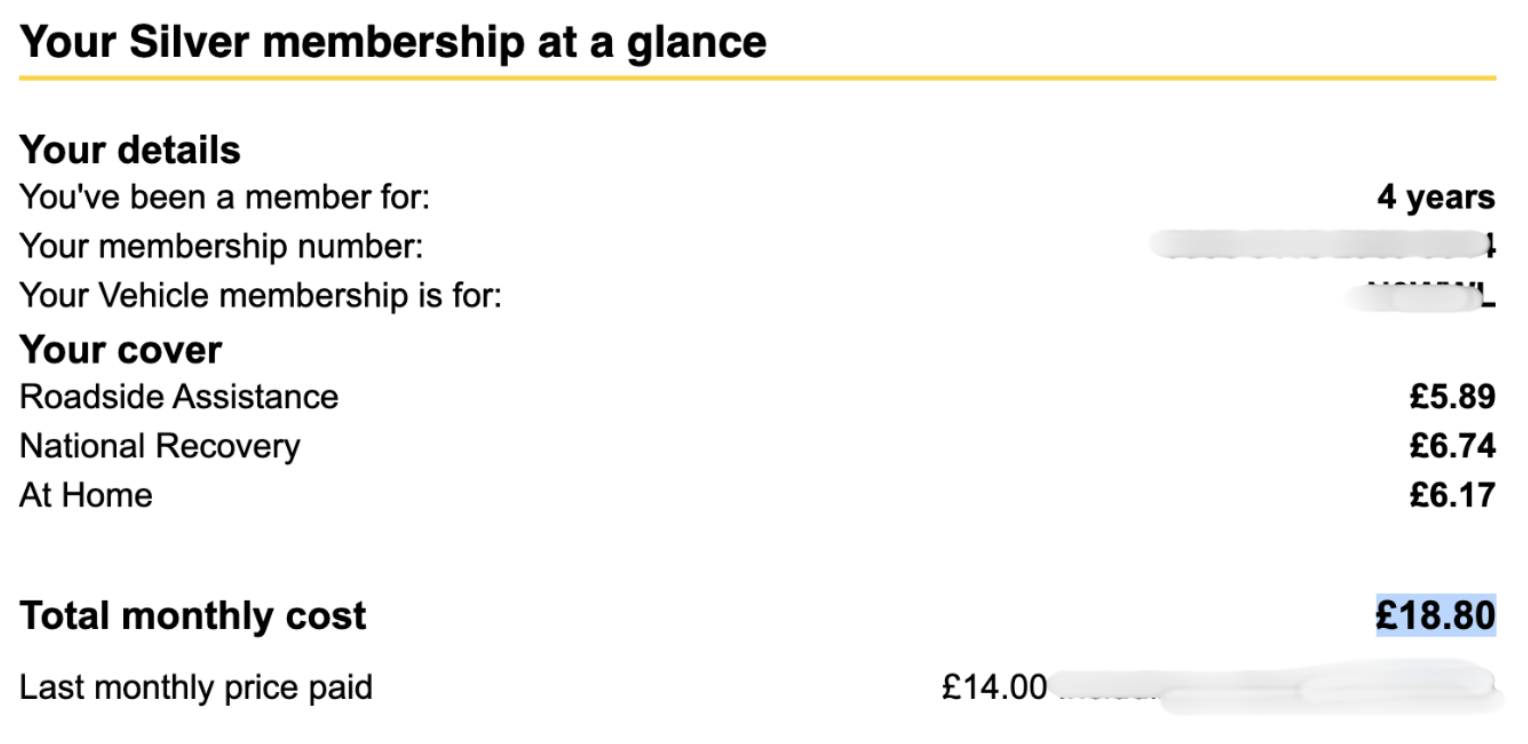
My own AA breakdown cover renews every year, and almost every year, I have to call and negotiate the price back down. This year it jumped to £18 a month. After one phone call, it dropped straight back to £14.
Nothing about the cover changed in that call. The service was exactly the same before and after. The only thing that changed was that I challenged the price instead of quietly accepting it.
That’s the renewal price hurdle in its purest form. The increase wasn’t really the issue. The issue was that nobody told me it was coming, and a five-minute call was all it took to feel fairly treated again.
See also