Practical Sales Training™ > How To Get Attention > Secret Recipe
Secret Recipe
Everyone knows what KFC tastes like. Almost nobody knows the exact blend of herbs and spices behind it. That gap isn’t a flaw. It’s the whole point.
That’s a Secret Recipe. The result stays fully visible. The mechanics behind it stay deliberately hidden.
This page covers what a Secret Recipe is. It also explains why hiding the process can build more trust than explaining it, and how to use one without seeming evasive.
What Is A Secret Recipe?
A Secret Recipe is the deliberate choice to keep the core of how something works hidden. People still get to fully experience the result.
It isn’t about being vague or evasive. Instead, it’s about recognising that some value comes from how things get combined. It rarely comes from listing every single ingredient.
When everything gets explained in full, it becomes easier to copy. It also becomes easier to dilute, and easier to commoditise. So a Secret Recipe protects what makes your offer distinct, without blocking understanding or trust. People can see the outcome, use it, and benefit from it. They just can’t replicate the exact process behind it.
Why Does A Secret Recipe Work?
A Secret Recipe works by separating the outcome from the mechanics behind it. Buyers care about what they’ll get, and how it’ll improve their situation. Competitors, on the other hand, care far more about how it’s made.
You share the result clearly. But you keep the underlying formula intentionally vague. That creates a sense of depth, rather than distance. So the offer feels complete, not withheld. Curiosity builds without confusion, and confidence builds without full disclosure.
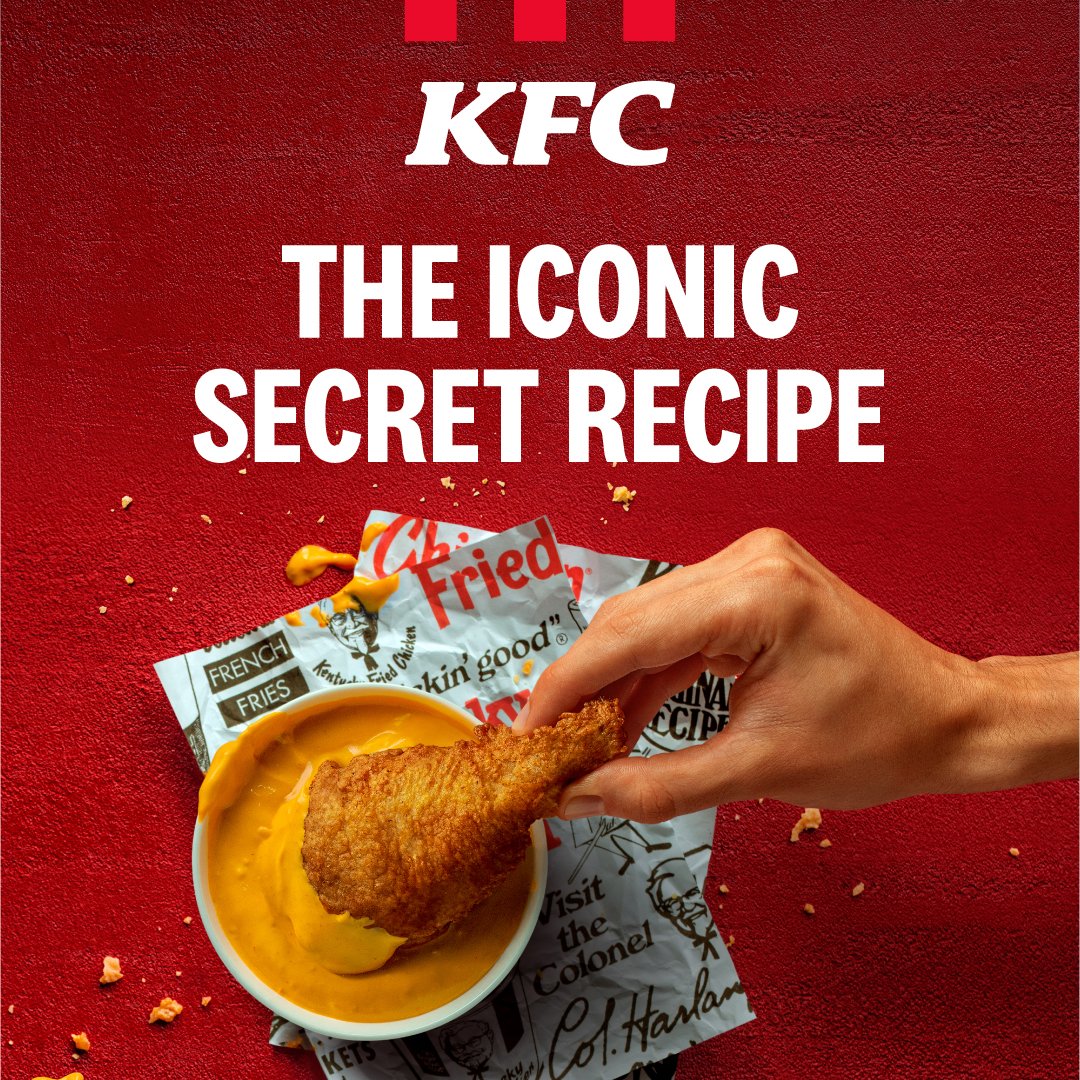
A well-known example is KFC. People know exactly what the chicken tastes like, and what to expect from it. They understand it’s made using a specific blend, yet the precise formula stays hidden. That mystery doesn’t undermine trust. Instead, it reinforces it, signalling that something carefully built sits beneath the surface.
How Can You Use A Secret Recipe In Sales?
Know When It Applies
A Secret Recipe works best when your value doesn’t sit in individual steps. Instead, it sits in how those steps combine and get applied together. It works especially well when explaining everything would actually reduce perceived expertise, rather than increase it.
Use It With Intent, Not Defensiveness
You can use it to protect intellectual property without becoming defensive. It also helps discourage imitation without confusing buyers, and keep authority without oversharing. So instead of turning your offer into a checklist, the result takes centre stage. The complexity stays in the background.
You’re not hiding information for the sake of it. You’re protecting the part of the process that gives the result its edge.
When A Secret Recipe Works Best
It works best when the result is already strong and consistent on its own. So the mystery adds intrigue, rather than covering for a weak product.
It also works especially well in crowded markets. A clear point of difference that can’t simply be copied gives buyers a genuine reason to choose you over a near-identical competitor.
When A Secret Recipe Becomes Dangerous
It backfires the moment secrecy starts looking like a way to dodge legitimate questions. Buyers can usually tell the difference between mystery and avoidance.
It also risks disappointing people if the result itself doesn’t live up to the mystique built around it. A weak product hiding behind a vague process invites more scrutiny, not less.
Common Secret Recipe Mistakes
Hiding Process Instead Of Protecting An Edge
Staying vague about something that genuinely doesn’t need protecting just frustrates buyers looking for useful detail. Reserve secrecy for the part that genuinely sets you apart.
Letting Mystery Cover For A Weak Result
A vague process can’t make up for a result that fails to impress on its own. Make sure the outcome is strong enough to justify the intrigue around it.
Refusing To Answer Reasonable Questions
Treating every question like a threat to the secret makes a brand feel defensive, rather than confident. Answer what you reasonably can, and protect only what truly matters.
Secret Recipe – An Example
KFC needs almost no introduction here. Its “11 secret herbs and spices” have stayed famously undisclosed for decades. The chicken itself became one of the most recognised tastes in the world anyway.
Nobody buying a bucket of KFC demands the full recipe before they’ll eat it. The result already speaks for itself. The mystery around the formula only adds to the brand’s identity, rather than taking anything away from it.
That’s a Secret Recipe working exactly as intended. The outcome stays fully visible and fully trusted. The process behind it stays exactly where it should, just out of reach.
See also