Practical Sales Training™ > Selling Communication Basics > Sociolect

What is a Sociolect?
A sociolect is the way a particular social group speaks.
It’s shaped by shared background, education, culture, and experiences.
Think of it as a group’s “lingo” – the words, phrases, tone, and even grammar that feel natural within that circle but may sound unusual to outsiders.
For example:
-
Teenagers in one city might have slang no one else uses.
-
Medical professionals might speak in shorthand that only colleagues understand.
-
Gamers online might use words and memes that make no sense outside gaming culture.
These differences aren’t random — they’re part of what makes a sociolect unique.
Why Does Sociolect Work?
Sociolect works because language is more than communication – it’s connection.
When people share a way of speaking, it:
-
Builds identity – It reinforces a sense of belonging to the group.
-
Signals expertise – Specialised terms show knowledge or insider status.
-
Creates trust – Speaking in someone’s language makes you feel “like one of us.”
It also works in the opposite way — if you don’t use the right words in the right context, you can feel like an outsider very quickly.
How Can You Use Sociolect?
Understanding sociolect isn’t just for linguists — it’s practical in everyday life and business:
-
In Marketing – Speak in your audience’s sociolect to show you “get” them. This works in ad copy, social posts, and customer service.
-
In Storytelling – Use sociolect in dialogue to make characters believable.
-
In Building Rapport – Match the way people speak to create connection faster.
-
In Cultural Awareness – Spot sociolects to better navigate different communities.
If you’re trying to connect with a group, research their sociolect. Listen to how they speak, the words they use, and the tone they take. Then, use it naturally and respectfully.
Key Takeaways
-
Sociolect definition: A social group’s unique way of speaking.
-
Purpose: Creates identity, signals belonging, builds trust.
-
Practical use: Marketing, storytelling, rapport-building, and cultural navigation.
Example
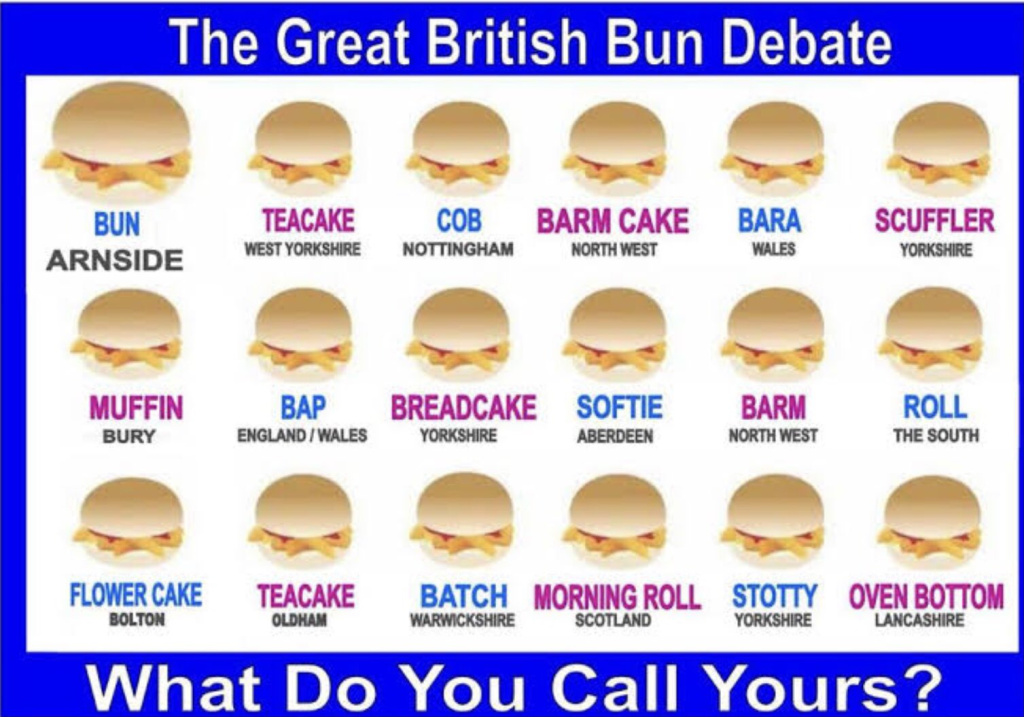
In the UK, a bread roll has MANY names(!)
See also