Practical Sales Training™ > How To Get Attention > Surprisal Effect
Surprisal Effect
Read these two lines. “The pricing confused us.” “The pricing flummoxed us.” The second one made you slow down, didn’t it?
That tiny pause is the Surprisal Effect. When a word catches your brain off guard, it has to stop and process it. And that extra effort makes the word stand out.
Most sales copy uses the same tired words as everyone else. So one well-chosen surprise can be the thing a buyer actually remembers.
What Is The Surprisal Effect?
The Surprisal Effect means unfamiliar or unexpected words need more mental effort to process. As a result, they’re more likely to grab attention and stick.
Your brain is always guessing the next word. When the guess is right, you glide past. But when a word breaks the pattern, your brain hits the brakes.
The surprise can come from an unusual word or an odd pairing. It can also come from a twist at the end. For example, “Clean code, dirty jokes” stands out more than “Clean code, great service.”
Why Does The Surprisal Effect Work?
It works because the brain ignores what it predicts. Familiar phrases slip by almost unread. In contrast, a surprise forces a second look.
It also helps memory. The harder the brain works on a word, the more likely it keeps it. So surprising words tend to stick around longer.
Then there’s personality. Fresh language makes a brand sound human and confident. In fact, it signals that you think differently from your rivals.
Finally, it makes your message easy to repeat. People love passing on a phrase that made them smile. As a result, your words travel further.
How Can You Use The Surprisal Effect?
Here’s how to put it to work.
Swap One Tired Word
Find the dullest word in your headline and replace it. “Big savings” becomes “whopping savings.” One fresh word is often enough.
Twist The Ending
Set up a familiar phrase, then change the last word. Buyers expect one thing and get another. So they pay closer attention.
Pair Words That Don’t Usually Meet
Odd pairings create a jolt. “Boring accounting, exciting results” works because the two halves clash. Then the reader has to think about it.
Use It Where Attention Matters Most
Save surprises for headlines, subject lines, slogans and opening lines. Those are the moments buyers decide whether to keep reading.
Keep The Rest Simple
One surprise needs plain words around it to shine. Otherwise, the whole message becomes hard work.
When Does The Surprisal Effect Work Best?
It works best in crowded markets. When every rival sounds the same, a fresh word helps you stand apart.
It also shines in short formats. Ads, subject lines, social posts and packaging all have seconds to make an impression.
And it suits brands with a playful voice. The surprise feels natural rather than forced.
When Does The Surprisal Effect Become Dangerous?
It gets dangerous when the surprise confuses people. If buyers don’t understand the word, they won’t stop to look it up. Instead, they’ll move on.
It also backfires when you overdo it. A page full of strange words feels tiring and gimmicky. So use one or two, not twenty.
Watch out for clashing with your brand too. Quirky language on a serious legal or medical service can undermine trust.
What Are The Common Mistakes With The Surprisal Effect?
Most mistakes come from chasing clever over clear. Here are the ones I see most.
Choosing Words Nobody Knows
Unusual words work, but baffling ones lose people. So pick words your buyers will still understand.
Surprising Every Line
Too many surprises cancel each other out. Instead, save them for key moments.
Burying The Point
A clever phrase that hides what you sell wastes the attention it wins. So make the offer clear straight after.
Forgetting Your Audience
What feels fresh to one group can feel silly to another. So test your words with real buyers.
Surprisal Effect – An Example
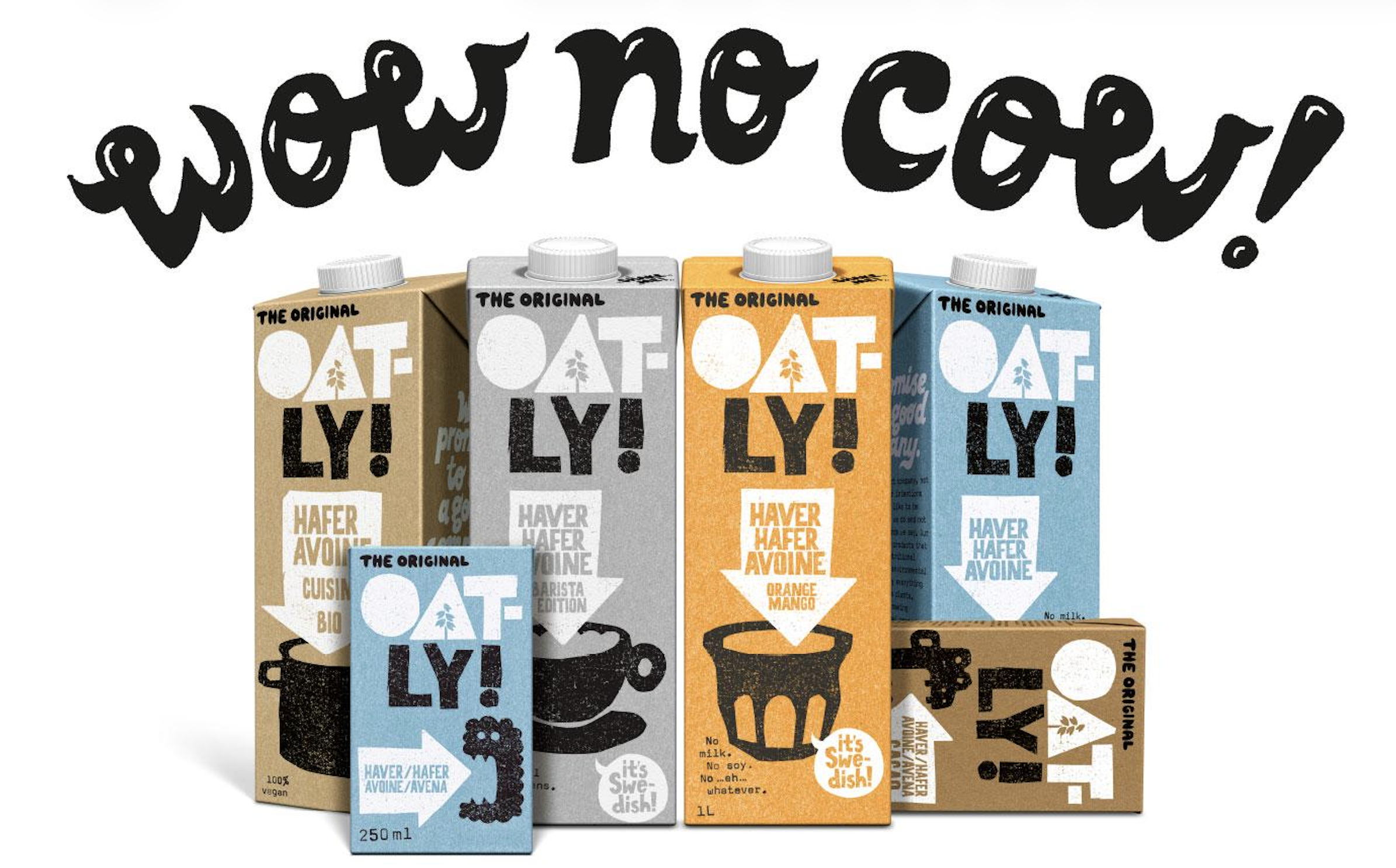
Oatly’s “Wow No Cow!”
Oatly is a Swedish oat drink brand. And it sells into a category full of safe, worthy language like “dairy-free,” “plant-based” and “nutritious.”
Instead of following that script, Oatly went with “Wow No Cow!” Nobody expects a milk alternative to talk like that. So the brain stops to take it in.
The phrase is short, it rhymes and it sounds a little silly. Yet it still tells you exactly what the product is: a milk without the cow.
That’s the Surprisal Effect at its best. The odd wording grabs attention, while the meaning stays crystal clear. As a result, the line sticks long after you’ve left the shop.
See Also