Practical Sales Training™ > How to connect with your buyer > The Pets Effect
The Pets Effect
Most businesses try to look professional. Clean logos, polished headshots, carefully worded bios. But all that polish can make a brand feel cold.
A pet cuts straight through it. A dog in the office, a cat on a Zoom call, a parrot on the About page – these things remind buyers that real people run this business. People with lives, homes, and a labrador called Ludo.
That is what the Pets Effect does. It trades corporate surface for human warmth, and warmth is what builds trust.
What Is the Pets Effect?
The Pets Effect is the idea that featuring the animals connected to your brand helps people feel closer to the humans behind it. It works because pets are instantly relatable. Almost everyone has owned one or loves them.
In a world of logos, suits, and stock images of handshakes, a pet stands out. It signals that your business is run by real people, not a faceless machine. That signal matters more than most companies realise.
It is not about being cute for the sake of it. It is about being human in a way that buyers remember.
Why Does the Pets Effect Work?
Pets trigger warmth, trust, and a sense of familiarity. These are feelings that marketing teams spend fortunes trying to create, but a single photo of an office dog can do more than a campaign brief ever could.
They lower defences. When a buyer sees a team cat or a dog with a job title, they stop thinking about the transaction and start feeling like they know the people involved. That shift changes everything.
There is also a memory factor. A photo of a dog called Ludo on a company’s About page sticks in the mind far longer than another bullet point about years of experience. Buyers remember what feels real.
How Can You Use the Pets Effect In Sales?
Feature them on your website
Add your pet to your About page or team section. Give them a playful job title like Head of Barketing or Chief Wellbeing Officer. It shows personality and gives visitors something to smile at before they read a word of your copy.
Use them in social content
A photo of your pet in the office or on a work-from-home day performs well on social because it feels genuine. People engage with real moments far more than polished brand posts, so the reach tends to follow.
Weave them into your story
If your pet is part of your day, let buyers know. Mention them in an email footer, include them in a founder story, or reference them in a casual LinkedIn post. Small details like this make you memorable and easy to warm to.
Borrow the principle if you have no pet
The Pets Effect is really about showing what is real. So if you have no pet, show something else genuine – the people, the workspace, the behind-the-scenes moments that make your company feel alive. Buyers connect with authenticity, not just animals.
When the Pets Effect Works Best
It works best when your buyer needs to feel a human connection before they will commit. In service businesses, consultancies, and anything relationship-led, trust comes before the sale. A pet helps build that trust faster than most things.
It also works well on social media, where the algorithm favours content that gets genuine engagement. Posts featuring pets consistently outperform polished brand content because they feel real rather than produced.
For small businesses in particular, the Pets Effect levels the playing field. A large competitor may have a bigger budget, but they cannot fake the warmth of a real team photo with a dog in the foreground.
When the Pets Effect Becomes Dangerous
The risk is leaning on it too heavily. If every post features your dog and nothing else, buyers start to wonder what you actually do. The Pets Effect works as a layer of personality, not as a substitute for a clear message.
It can also feel forced if the pet has nothing to do with the business or the person behind it. Buyers are good at spotting content that exists just to get likes. So only use the Pets Effect when it is genuinely true to how you work.
There is also a context issue. A pet on an About page is charming. However, a pet-heavy pitch deck sent to a corporate procurement team may not land the same way. Read the room before you use it.
Common Pets Effect Mistakes
Cute without a point
A pet photo that has no connection to your brand or message is just noise. For it to work, the pet needs to say something about who you are and how you work. Otherwise it is just content for the sake of content.
Overdoing it
Mention your pet once and buyers find it endearing. Feature them in every email, post, and proposal and it starts to feel like a distraction. Use the Pets Effect as a seasoning, not the main course.
Forgetting the message
The goal is connection, not just engagement. So always make sure the warmth the pet creates leads somewhere. A buyer who smiles at your dog photo should also know clearly what you do and why they should talk to you.
The Pets Effect – An Example
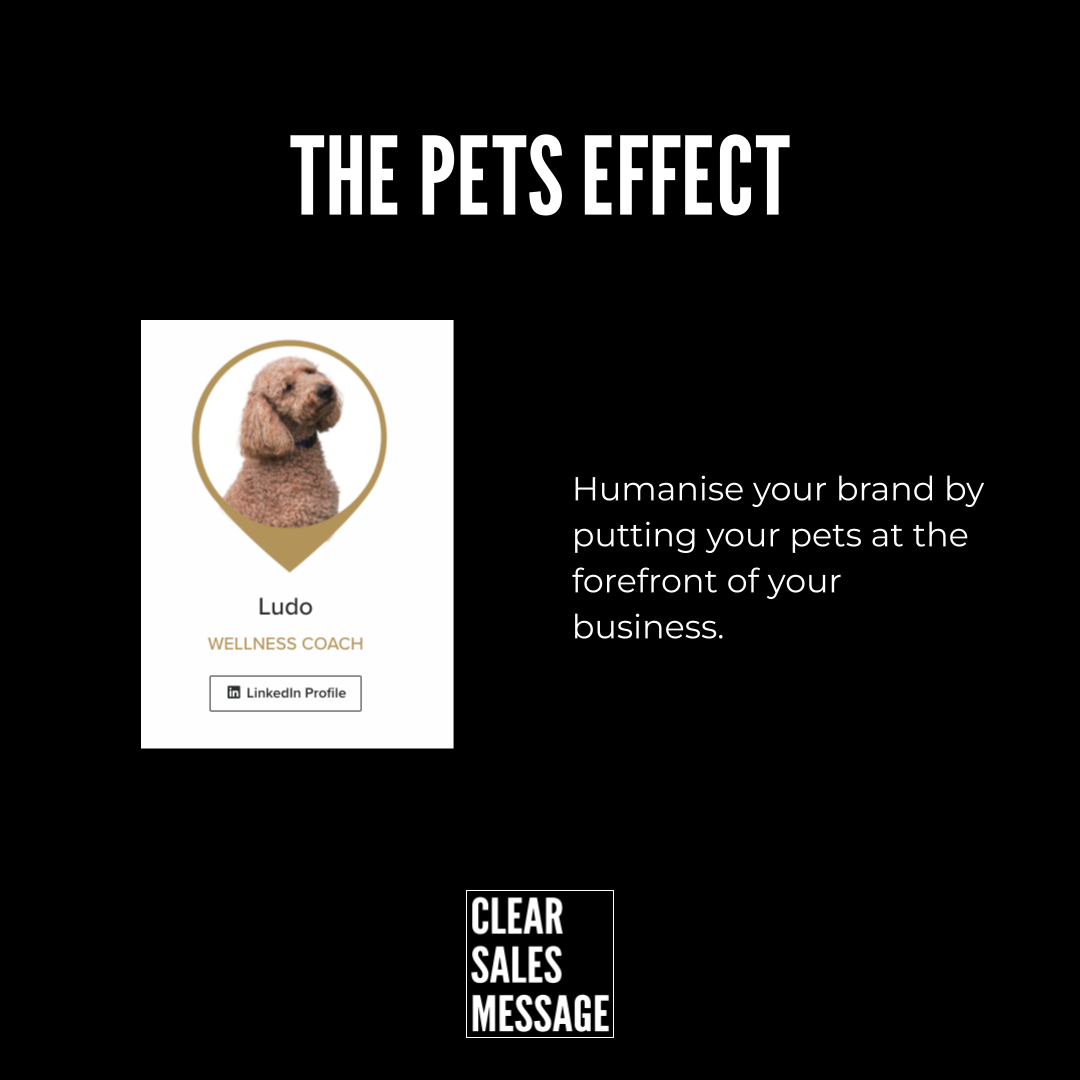
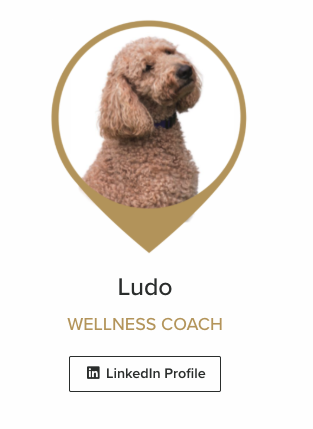
This company lists their dog as a member of staff with a playful job title. It is a small touch, but it tells buyers a lot about the kind of people they are dealing with before a single conversation takes place.
See Also