Practical Sales Training™ > How To Convert > Renewal Schedule

Renewal Schedule
What Is It?
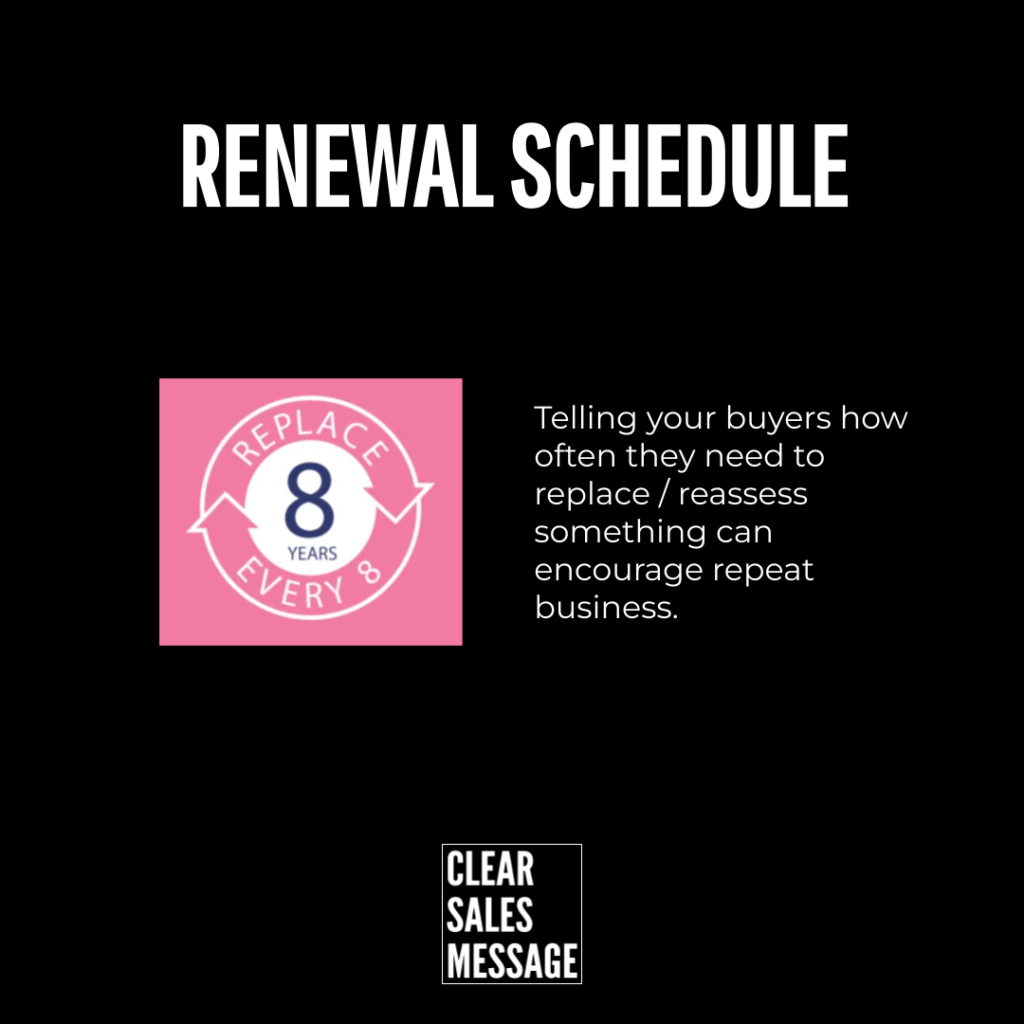
Telling your buyer exactly when to renew encourages repeat business. It can even push them to buy sooner than they otherwise would. A clear schedule turns a vague someday into an actual date.
Why Does It Work?
It works because it sets a standard your buyer probably never considered. Without being told, they might never replace a mattress or a toothbrush. Or they’ll only replace it once it’s already broken.
How Can You Use It?
Work Out The Real Timeframe
Start by working out how often your product or service genuinely needs renewing. Use your own experience and past data, rather than guessing.
Publicise It Clearly
Then publicise that schedule clearly, using a simple icon or logo. Explain why the timeframe exists, so it feels reasonable rather than arbitrary.
Consider A Refresher Option
If you run a service or training based offering, consider a refresher option too. It works alongside renewal, rather than replacing it entirely.
When It Works Best
This works best for products with a genuine, evidence based expiry point. It also helps when buyers can’t easily judge wear themselves. Think toothbrush bristles, or mattress support.
When It Becomes Dangerous
This becomes risky if your suggested schedule feels made up or self serving. Buyers who sense manufactured demand start questioning every other claim you make.
Common Mistakes
Inventing A Timeframe
Don’t invent a renewal timeframe just to drive sales. If it doesn’t hold up to scrutiny, trust takes the hit. That costs more than any revenue it brings.
Only Saying It Once
Never mention the schedule just once and assume it sticks. Buyers forget quickly, so repeat the message across packaging, emails, and reminders.
Renewal Schedule – An Example
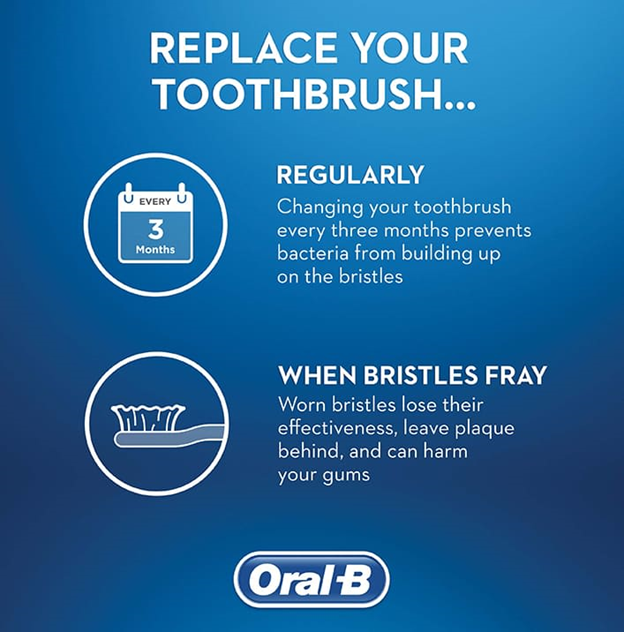
Oral-B promotes the idea that you should replace your toothbrush head every three months. Or sooner, if the bristles start to fray.
See also