Practical Sales Training™ > How To Get Attention > The Coat of Arms Effect
The Coat of Arms Effect
What Is It
If you want to communicate higher quality, or suggest a long established brand, a coat of arms helps. It’s a genuinely effective way to seize a potential buyer’s attention.
It works as a visual shortcut. One small emblem can imply decades of history, even for a business that’s actually quite new.
Why Does It Work
It works because coats of arms, crests, and shields aren’t modern inventions. Their presence speaks to history and quality, even when we know the brand behind it isn’t actually old.
That association reassures buyers, and it helps them make a better decision. So the symbol does the reassuring, and your copy doesn’t have to work as hard.
How Can You Use It
Find An Existing Family Crest
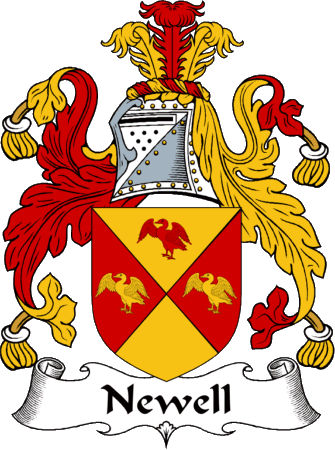
A quick search can help you find a crest linked to a family name. One might already exist, ready to use. Below is an example of what a genuine family crest can look like.
Design One From Scratch
If a family crest doesn’t exist, or you simply don’t like the one you find, other options remain open. Plenty of tools online let you build a coat of arms entirely from scratch.
When It Works Best
It works best for businesses in traditional or heritage focused sectors, like tailoring, education, or fine food. Buyers already expect a sense of history in these categories.
It’s also effective anywhere trust and pedigree matter more than price. A crest quietly signals credibility before a single word of copy gets read.
When It Becomes Dangerous
A coat of arms becomes risky if it feels wildly mismatched with your actual brand. Think of a budget product dressed in heraldic imagery it simply can’t back up.
It’s also risky if buyers feel misled into thinking your business has genuine history it simply doesn’t have. Implying heritage is fine, but faking specific claims about it isn’t.
Common Mistakes
Using It On The Wrong Brand
A crest on a brand built around being cheap, fast, or modern sends a genuinely confusing signal. Match the symbol to the personality you’re actually selling.
Overcomplicating The Design
A crest crammed with too many elements loses impact at small sizes, like on a business card or app icon. So simplify until it still reads clearly when tiny.
Claiming False History
Implying visual heritage is one thing. Stating specific false dates or claims about your company’s founding is another, and it can damage trust badly if discovered.
The Coat of Arms Effect – An Example
Matching A Crest To The Product
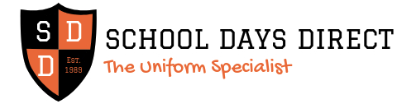
One company created their own simplified coat of arms. It’s deliberately similar to the school logos they embroider onto the uniforms they supply. The style reinforces exactly what they do.
The crest doesn’t just look traditional for its own sake. It echoes the very products the business sells, tying the symbol directly to the offering.
See also