Practical Sales Training™ > How To Convert > Long Term Contracts

Long Term Contracts
What Is It?
Offering a long term option makes you easier to buy from. It also lifts your revenue per client. One signature now covers months of business, instead of one.
Also consider a 12, 24 or 36 month version of your current contract. Even this small shift also changes how a buyer sees your whole offer.
Why Does It Work?
It works because most people think short term by default. We plan for next month, not next year. Even when the longer view actually serves us better.
But buyers already trust the pattern behind a long term deal. Most people accept paying in advance for a better rate. In fact, this links to what I call the Prepayment Effect.
Software companies use this constantly. A 12 month plan beats paying month by month almost every time. So buyers already expect that trade. A long term contract just extends a pattern they already know.
This matters because commitment removes a decision, not just a discount. So once a buyer signs for the longer term, they stop reconsidering every renewal. That single fact often matters more than the price break itself.
How Can You Use It?
Offer More Than One Term Length
Offer more than one term length, not just one. A single 12 month option forces a binary yes or no. Three options instead let a buyer choose their own comfort level. And choice itself lowers resistance.
Sell The Commitment, Not Just The Discount
Sell the commitment, not just the discount. But most sellers only talk about price when pitching a longer term. Yet buyers also value the certainty of a fixed rate. And the fact they never have to think about renewal again.
Match The Term To How They Plan
Match the term to how your buyer actually plans. A business that budgets annually already thinks in 12 month blocks. So a term that mirrors their cycle feels natural, not like a sales tactic.
When It Works Best
This works best in categories with genuine ongoing value. Think subscriptions, leasing or recurring services too. Buyers there already expect a term choice. So offering one feels normal, not pushy.
It also works well when switching costs are high. Buyers commit more easily now, since leaving was always going to take effort anyway.
When It Becomes Dangerous
Long term contracts become dangerous when the buyer feels locked in. So if your terms make leaving unclear, trust drops fast. Even if they never plan to leave.
It’s also risky when a buyer picks a long term option too soon. Forcing someone into 36 months before they’ve proven the fit often ends in a resentful renewal. Or none at all.
Common Mistakes
Pitching Only The Discount
Pitching only the discount is the most common mistake. Buyers commit to more than a lower price. So a discount only pitch leaves the real reasons unsaid.
Ignoring The Buyer’s Planning Horizon
Ignoring the buyer’s own planning horizon is another. A three year deal still feels like a mismatch to a quarterly planner. Even when the numbers work out fine.
Staying Vague On Flexibility
Staying vague on flexibility is the last one to watch for. If needs change and terms are unclear, buyers assume the worst. And that hesitation spreads to the whole contract.
Long Term Contracts – An Example
Why Car Leases Favour The Longer Term
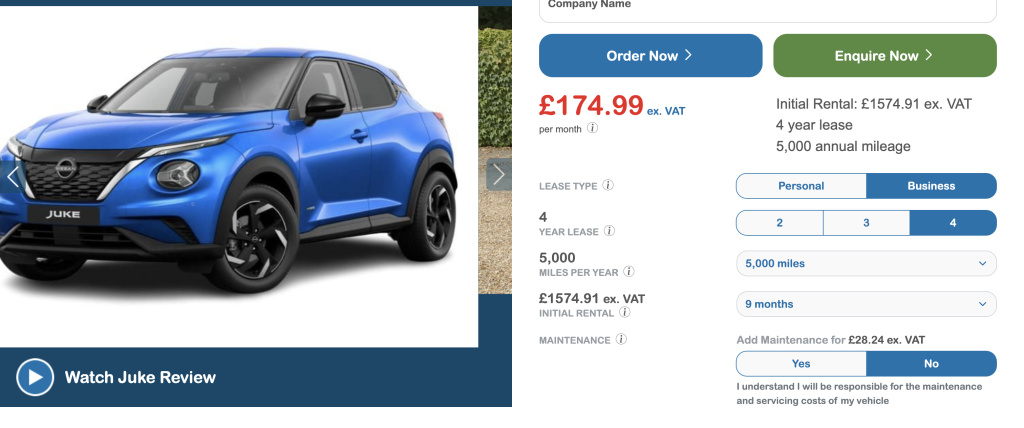
In car leasing, a longer term contract lowers the monthly rental for the buyer. That lower number, sitting right next to the shorter term option, often closes the deal instead.
The buyer isn’t really comparing total cost. They’re comparing what fits their monthly budget today. And the longer term almost always wins that specific comparison.
See Also