Practical Sales Training™ > How To Connect With Your Buyer > Priority Chain

Priority Chain: Show Your Buyer What Comes First
Ask a buyer what your company cares about most. Most can’t answer. They’ve read your website and heard your pitch. But nobody has ever told them what comes first when two good things collide.
So that gap is where trust quietly leaks away. Show the order, not just the values.
What Is It
A priority chain is a plain statement of focus. First, second, third, in that order. It’s how you solve a problem for a buyer. Not a list of nice words. An actual order.
Instead of saying you care about people, process, and profit, you rank them. People first. Process second. Profit third. That ranking tells a buyer something a values list never can.
Why Does It Work
Buyers already assume every company claims to care about everything. So a flat list of values barely registers. But an order does, because an order forces a trade off into the open.
Once a buyer sees your core values ranked in order, they can predict how you’ll behave under pressure. If you put people before profit, they already understand the trade off. They know what happens when a shortcut saves you money but costs a customer. So that predictability builds trust faster than any slogan.
How Can You Use It
Map Your Methodology First
Before you rank anything, write down how you actually work. Turn it into a simple diagram if you can. A buyer trusts a process they can see more than one they’re just told about.
Rank What Actually Comes First
Once the methodology is clear, step back and look at it from a height. Which area gets your attention first, and which comes second? Rank them in the order you actually operate, not the order that sounds best in a meeting.
Say The Order Out Loud
But a ranked list buried on your about page does nothing. Say it in your pitch. Also put it in your onboarding email. Repeat it until buyers can repeat it back to you.
When It Works Best
This works best when two of your priorities could really conflict. If speed and quality never clash in your business, ranking them tells a buyer very little. But if they clash weekly, the order becomes a promise about exactly how you’ll handle it.
It also works well early in a relationship, before a buyer has any evidence of their own. A clear order gives them something to test you against later.
When It Becomes Dangerous
It becomes dangerous the moment your actions don’t match your stated order. Say people come first, then let a support ticket sit for a week while you chase a new sale. A buyer remembers that gap far longer than they remember the original claim.
So only publish an order you’re willing to defend in public, under pressure, in front of an angry customer.
Common Mistakes
Ranking What Sounds Good Instead Of What’s True
Plenty of businesses rank “people first” because it reads well, not because it’s true. Buyers spot the gap eventually. Once they do, the whole chain loses credibility, not just the one broken link.
Listing Too Many Priorities
A chain with seven links isn’t a chain anymore. It’s a paragraph nobody will remember. Keep it to three, maybe four, so a buyer can actually hold it in their head.
Showing The Order Without Explaining It
A ranked list with no context is just three words in a row. Tell the buyer what the order actually means in practice. Give them a real example of a trade off you’ve made because of it.
Priority Chain – An Example
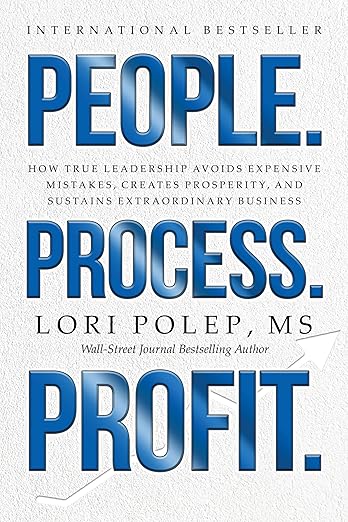
People, Process, Profit
The book People, Process, Profit takes its title straight from a priority chain, and that order is the whole argument. People come first, because a business runs on the people inside and around it. Process comes second, since good people still need a system to work inside. Profit comes third, as the result of getting the first two right rather than the goal you chase directly.
That order is the entire pitch of the book, stated before you’ve read a single page.
See Also