Practical Sales Training™ > Selling Communication Basics > Buyer Language

Buyer Language
Using your buyer’s own language is the most direct form of communication there is. Why force people to learn a new term? They’re already using their own words for you. So adopt their language, since the friction disappears.
Why Does It Work
It works because it removes the barriers to communication entirely. If people already know you as “the Logo Lady,” anything else just adds confusion. Think about UK supermarkets. Most people say “Big Tesco” and “Little Tesco.” The real names are Tesco Express and Tesco Superstore. Almost nobody uses them. So whether a business adapts or not, buyers often invent their own language anyway.
How Can You Use It
Watch Written Feedback
Watch anywhere your buyer writes about you in their own words. Reviews, feedback, and emails referring to you all carry clues. So read them closely. Not just for sentiment, but for the actual phrases people reach for.
Listen To Live Conversations
Listen to how people describe you in ordinary conversation. Because the words that come up naturally, without prompting, matter most. So pay attention at networking events and on calls. Anywhere buyers talk about you casually.
When It Works Best
This works best when a nickname or shorthand has already caught on. So the clearer the pattern, the safer it is to adopt. It suits small, personal brands well, since one memorable phrase can define them completely.
When It Becomes Dangerous
It becomes dangerous if the nickname doesn’t match how you want to be seen. Adopting language just because it’s common can trap you. So only adapt when the language truly fits the reputation you want.
Common Mistakes
Ignoring The Language Altogether
Ignoring the language altogether is the most common mistake I see. Because if your buyers already call you something, correcting them constantly just creates friction. So work with what they naturally say, not against it.
Forcing A Nickname That Never Caught On
Forcing a nickname that never really caught on is the second mistake. If almost nobody actually calls you that, it isn’t buyer language. It’s a slogan pretending to be one. So only adopt language you’ve actually heard repeated by real people.
Buyer Language – An Example
The Logo Lady
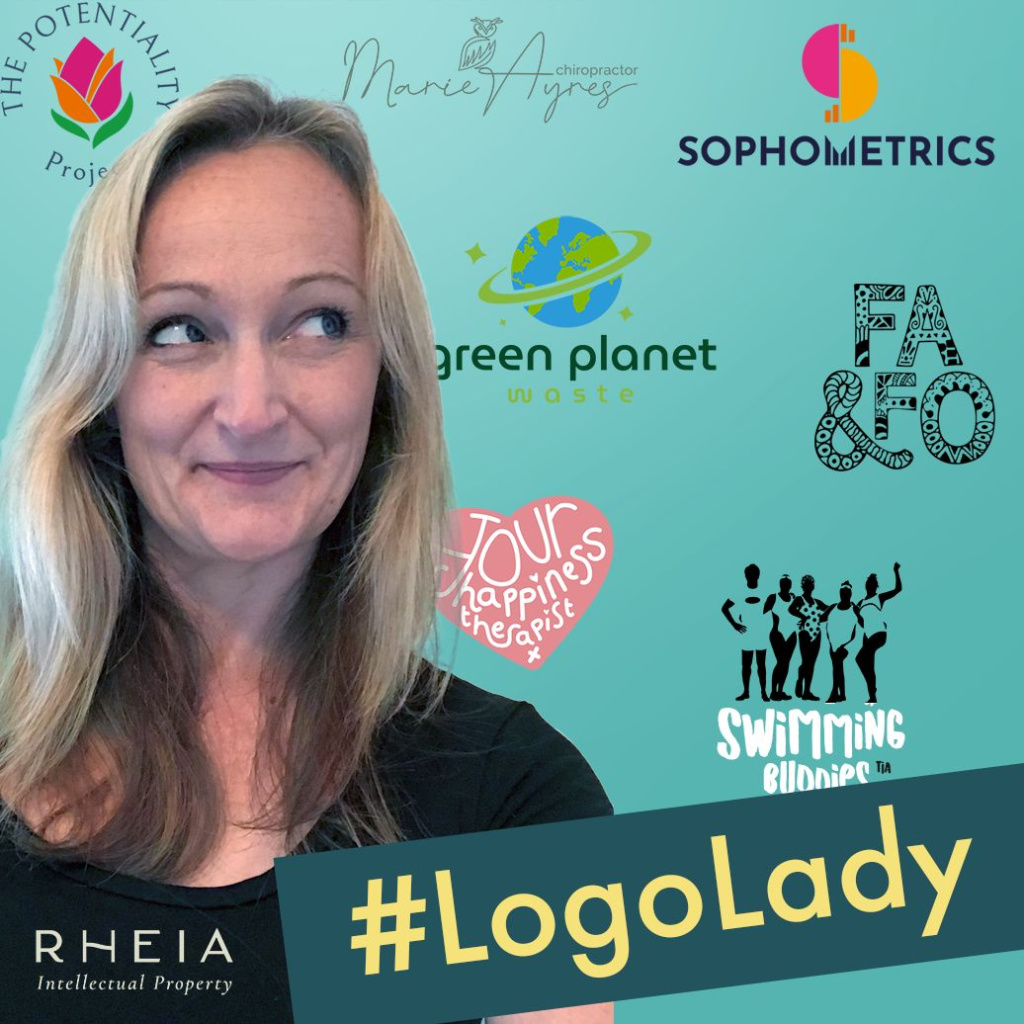
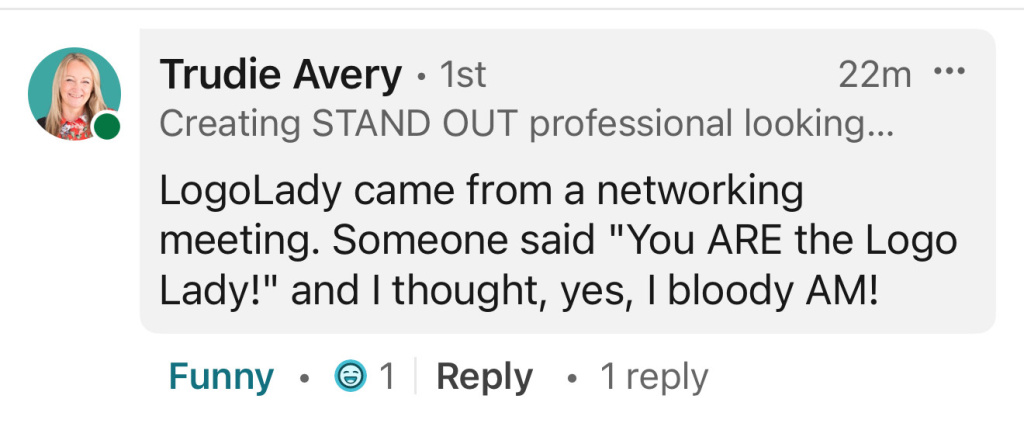
A friend of mine named her business “The Logo Lady.” That’s simply how people already knew her at networking events. She never invented the name herself. So other people gave it to her first, again and again, until it stuck. She just made it official.
See Also
- The Vernacular
- Price in the name
- Family of names
- 25+ Selling communication basics
- 140+ ways to be easier to buy from