Practical Sales Training™ > How To Convert > Running Costs
Running Costs
£800 sounds expensive. £800 that costs almost nothing to run for the next ten years sounds like a completely different decision. Same number, totally different feeling.
That’s running costs at work. Instead of anchoring the decision to a single upfront price, you reveal the longer story sitting behind it.
This page covers what running costs are, why they calm price anxiety so effectively, and how to use them to make a higher price feel sensible.
What Are Running Costs?
Running costs show what something really costs once you start living with it, not just what you pay on day one.
Instead of anchoring the decision to a single upfront price, they reveal the longer term picture. Energy use, maintenance, subscriptions, time, and effort all come into view.
So that fuller picture helps people judge value more sensibly, rather than deciding based on a headline number that only tells part of the story.
Why Do Running Costs Work?
Most buyers fixate on purchase price, because it’s immediate and easy to compare. It’s the number sitting right in front of them.
Running costs gently shift that focus. They answer the quieter question buyers already carry in the background but rarely stop to calculate properly: what will this actually cost me to live with?
When you show how something adds up over months or years, the decision starts to feel different. A higher upfront price can suddenly feel reasonable, even reassuring, if the ongoing cost is low. At the same time, something cheap to buy can start to look expensive once the hidden costs surface.
So running costs remove guesswork. They replace vague assumptions with something concrete and easy to understand.
How Can You Use Running Costs In Sales?
Break The Price Down Into Smaller Numbers
Breaking the price down into daily, weekly, or per-use amounts helps here. Smaller numbers feel easier to accept and easier to justify. Large, abstract totals tend to trigger hesitation instead.
Reduce The Fear Of Regret
Running costs also reduce the fear of regret. They answer the unspoken concern of “will this end up costing me more than I expect?” When people see the long term impact clearly, they feel more confident that no nasty surprises are waiting.
Use Them To Justify A Higher Price
Running costs are also a quiet way to justify a higher price. You’re not arguing that it’s cheap. Instead, you’re explaining why it makes sense. When the ongoing cost is low, the upfront price feels more logical and less risky.
Signal Transparency
Showing running costs signals transparency. It tells buyers you’re comfortable showing the whole picture, not just the attractive part. That confidence builds trust.
The goal isn’t to prove something is cheap. It’s to make the spend feel sensible. Running costs shift attention away from fear and towards reassurance, which is often exactly what buyers need to move forward.
When Running Costs Work Best
They work best for products with a genuine ongoing cost worth comparing, like energy use, subscriptions, or maintenance, where the day-to-day figure is low enough to feel reassuring.
They also work especially well when you’re priced higher than a competitor, since a strong running cost story can turn “why does this cost more?” into “this clearly works out cheaper over time.”
When Running Costs Become Dangerous
They backfire the moment the real running cost turns out higher than advertised, since a buyer who feels misled on ongoing cost loses trust faster than one misled on price alone.
They also lose impact if used on something with no genuine ongoing cost to speak of, since stretching the idea onto a one-off purchase can feel like a stretch rather than a useful comparison.
Common Running Costs Mistakes
Underestimating The Real Figure
Quoting an optimistic running cost that doesn’t hold up in reality damages trust the moment a buyer notices the gap. Use a realistic, honest figure rather than a best-case one.
Burying The Number In Small Print
A running cost only reassures if buyers actually see it. Put it somewhere visible, not tucked away where nobody will read it.
Forcing It Onto The Wrong Product
Not every purchase has a meaningful ongoing cost worth highlighting. Save this approach for products where the comparison genuinely helps the buyer.
Running Costs – An Example
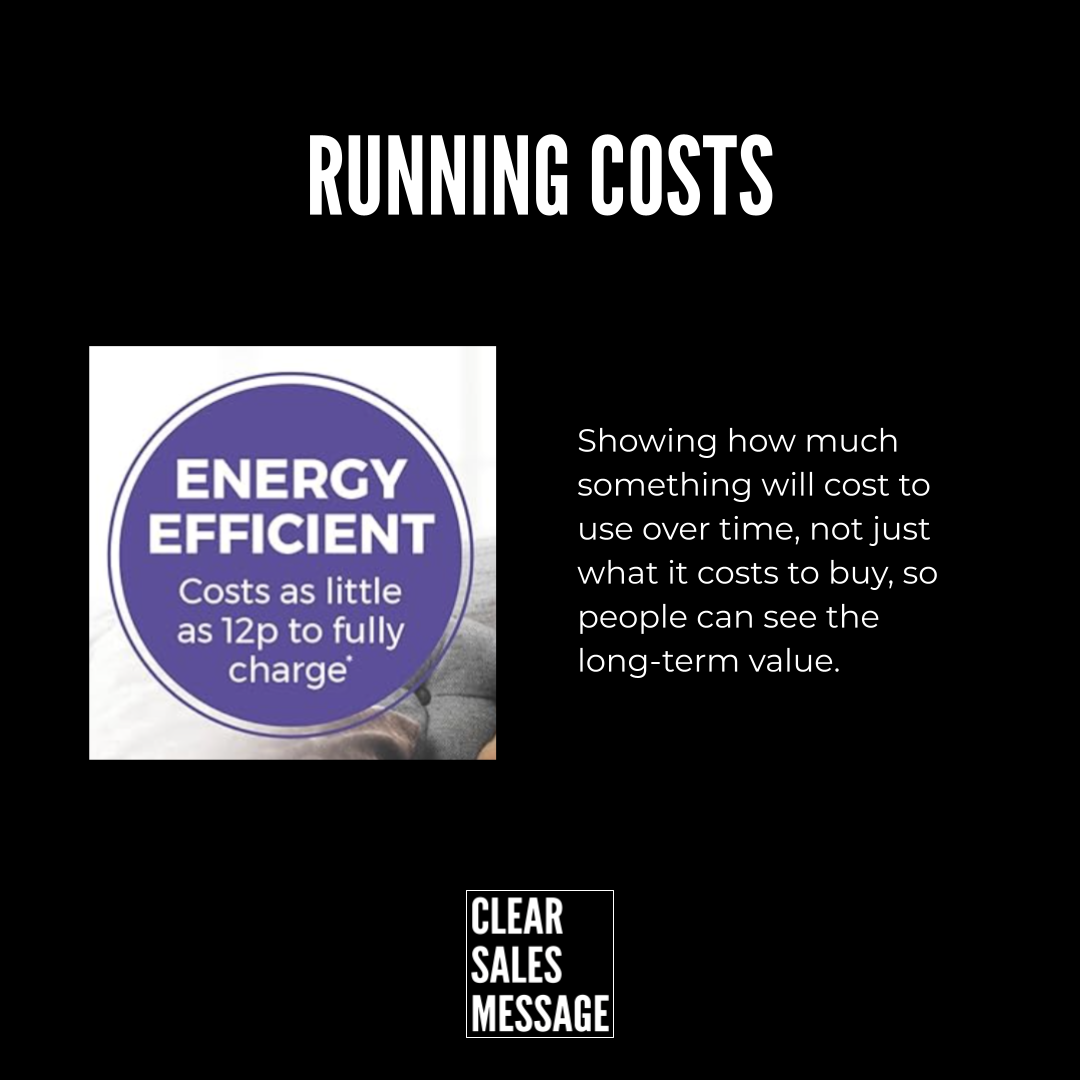
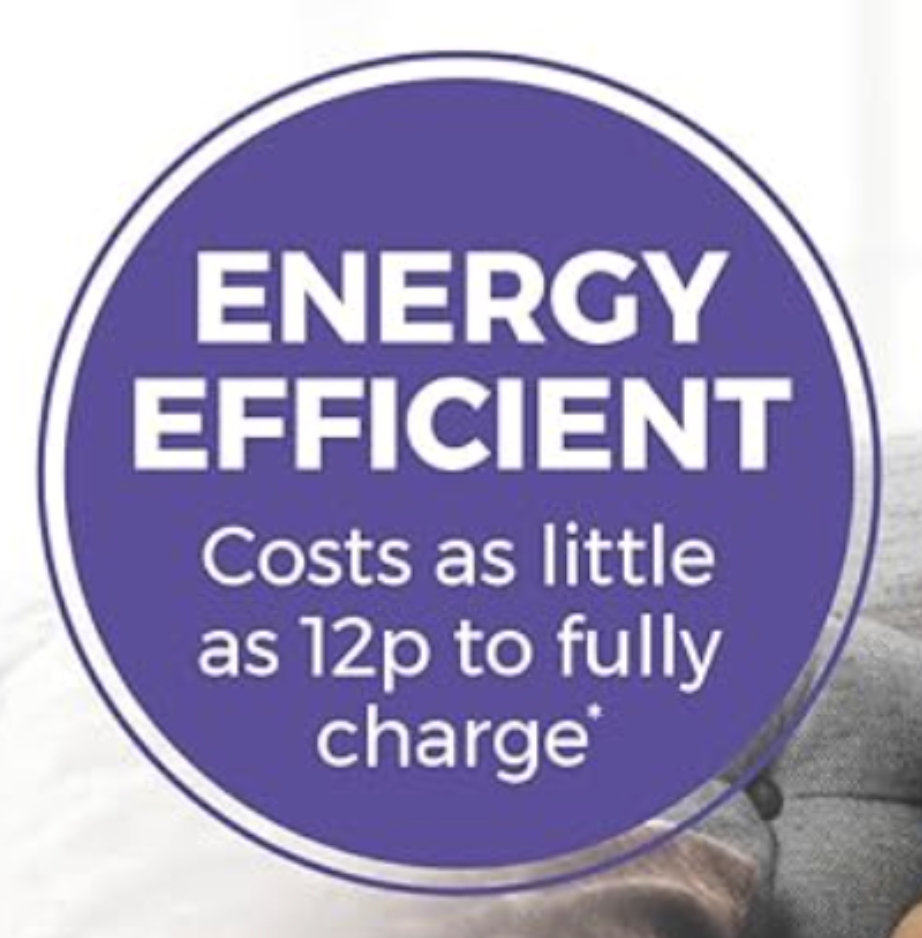
One rechargeable hot water bottle brand advertises how cheap it is to run as one of its most defining features. Instead of leading with the upfront price alone, it highlights the tiny cost of recharging it compared to constantly boiling a kettle.
A buyer comparing it to a traditional hot water bottle might initially see a higher price tag and hesitate. But once the running cost gets shown clearly, that hesitation shifts toward a much simpler thought: this pays for itself over time.
That’s running costs doing exactly what they’re meant to do. The upfront number didn’t change. The story around it did.
See also