Practical Sales Training™ > Selling Communication Basics > Vernacular URL

Vernacular URL
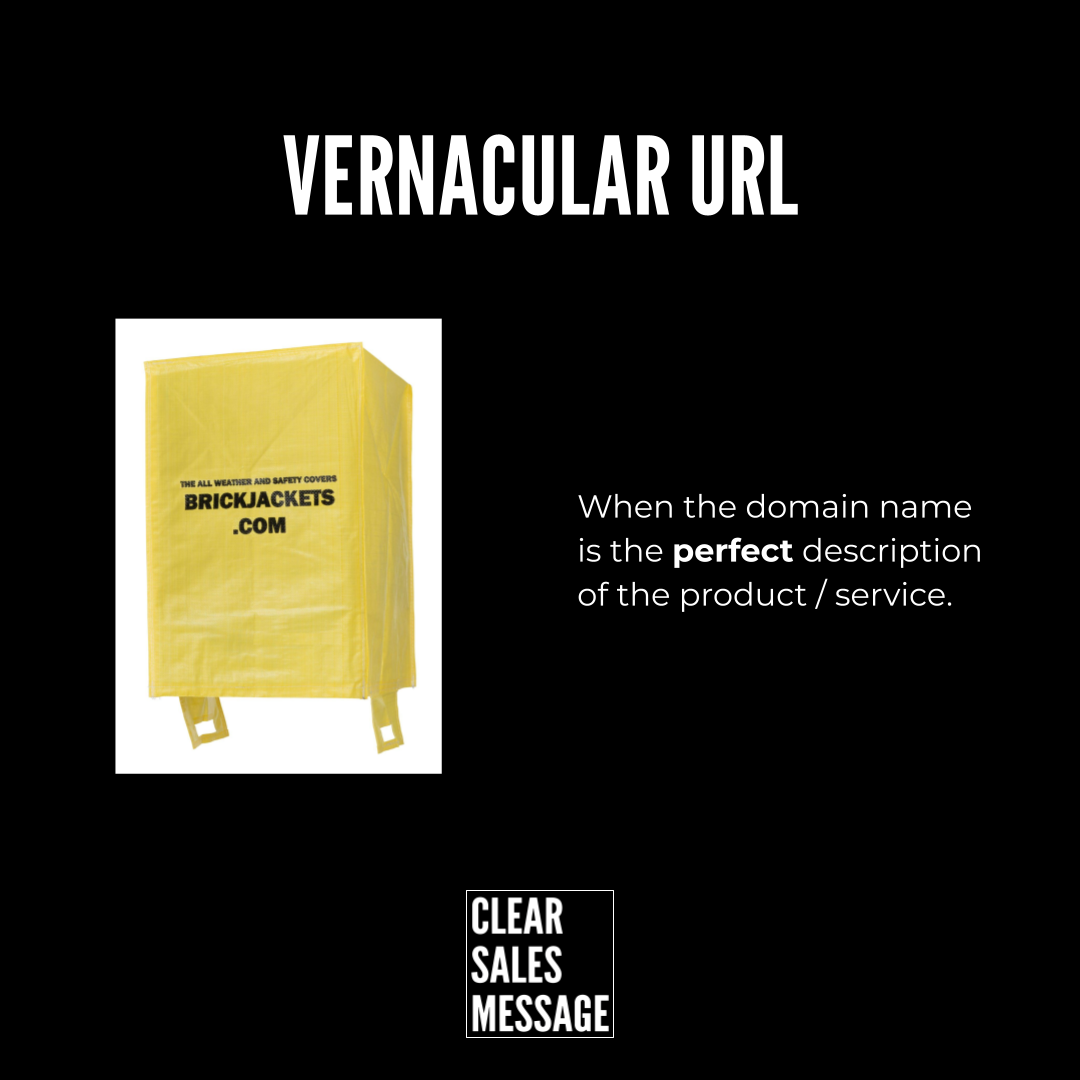
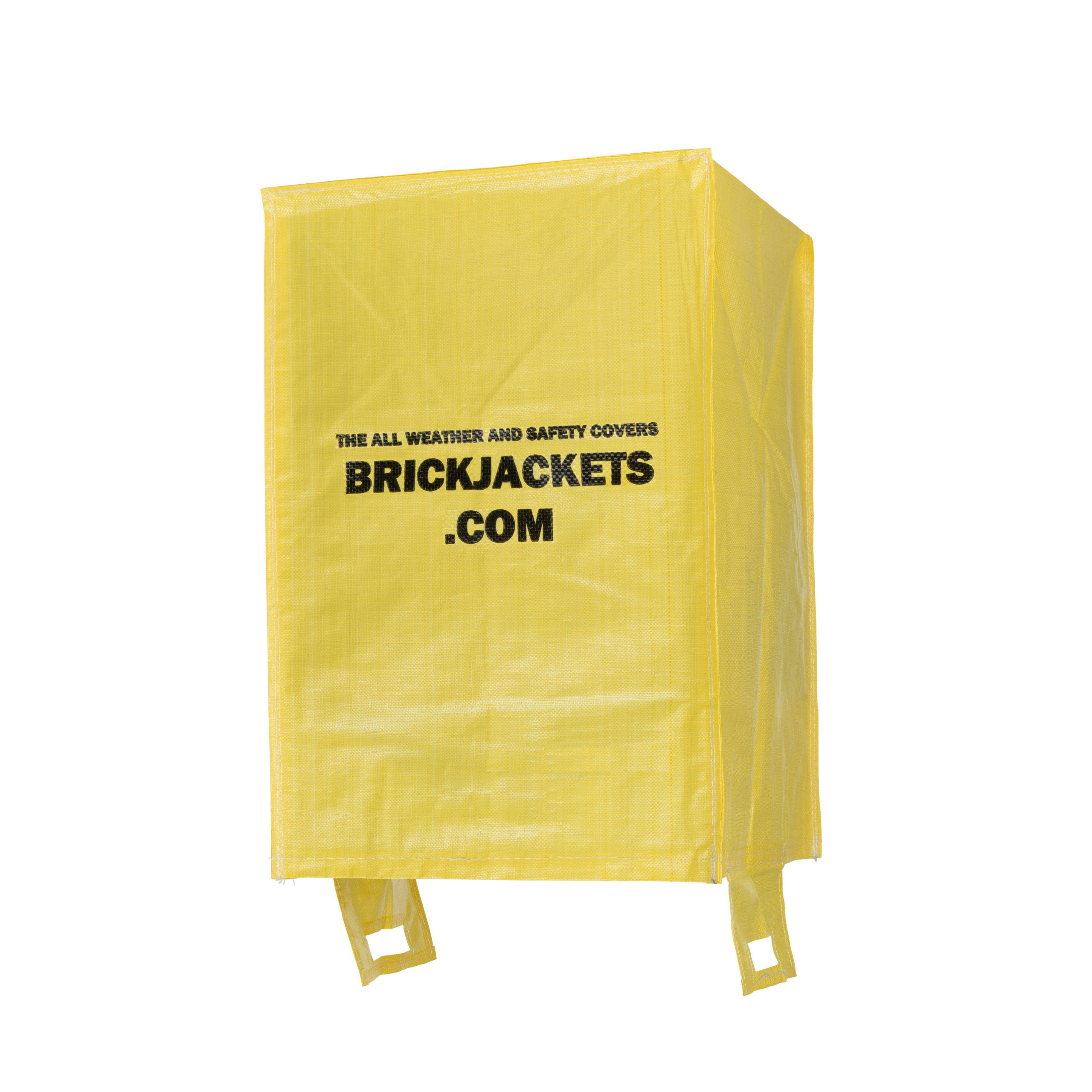
BrickJackets.com. No clever wordplay, no invented brand, just the plain words a buyer already uses for the thing being sold. So nobody has to decode it, and nobody needs to be “in the industry” to get it.
That’s the whole idea behind a Vernacular URL. Instead of asking the buyer to learn your language, you speak theirs from the very first glance.
This page covers what a Vernacular URL is, why it works so well, and how to build one for your own business.
What Is A Vernacular URL?
A Vernacular URL is a domain name that uses the exact words people already say for the thing you sell. So it isn’t a clever brand, and it isn’t an invented word. Instead, it’s just the plain language label your buyer recognises instantly.
Take BrickJackets.com as an example. You don’t have to decode it, because you don’t need to be in the trade to get it. You just know.
This sits inside a bigger idea called The Simplified URL Effect, where the goal is simple: make your domain easier to read, say, spell, and remember.
Why Does A Vernacular URL Work?
A Vernacular URL works because it matches what’s already sitting in your buyer’s head. So when someone sees it, several good things happen at once.
Instant Understanding
The buyer doesn’t need any context, because the domain explains the offer for you, before a single word of copy gets read.
Lower Effort
Your buyer doesn’t have to translate a clever brand name into a category they understand. So less thinking means less drop off along the way.
Higher Trust
Clear names feel safer. So if the domain says exactly what it is, people assume the business behind it will be just as straightforward.
Better Memory And Word Of Mouth
People share what they can repeat easily. So a Vernacular domain is simple to pass on, because there’s nothing clever to misremember.
Natural SEO Alignment
If your domain uses the same phrases buyers search for, it can also support relevance and click confidence, especially alongside a clear page title and meta description.
How Can You Use A Vernacular URL In Sales?
Here’s a simple method you can follow step by step.
Step 1: Write The Buyer’s Phrase
Ask yourself: what would a normal person call this? Not what you call it internally, and not what your competitors call it in their brochures. For example, you might land on “brick jackets,” “window cleaning,” “tax rebate,” “team offsite,” “VAT advice,” or “boiler repair.”
Step 2: Choose The Cleanest Domain Shape
Aim for one to three words, spelled exactly how people expect, with no extra words unless they genuinely add clarity. A few good patterns to copy: the thing itself, like BrickJackets.com. Or the thing plus a location, like BrickJacketsUK.com. You could also use the thing plus an audience, like BrickJacketsForBuilders.com.
Step 3: Stress Test It Out Loud
Say it to a friend and watch what happens. Can they spell it back without seeing it written down? Do they ask “what is that?” Do they mishear it completely? If they hesitate even slightly, simplify it further.
Step 4: Make The Homepage Match The Promise
If the domain is blunt and direct, the page behind it should be too. So your first line should confirm what it is, who it’s for, and what outcome it creates. For example: “Brick Jackets protect pallets of bricks from rain and damage on site.”
When A Vernacular URL Is The Right Choice
This approach works best when you sell something people already have a name for, so you’re not trying to invent new language for an old idea. It also suits anyone who wants faster understanding over slower brand building.
It fits especially well if you rely on referrals, word of mouth, or outbound outreach, because a clear domain travels easily between people. And it’s a strong choice if you want to cut down the “what do you actually do?” question before it even gets asked.
When To Be Careful With A Vernacular URL
Avoid this approach when the category phrase is too generic to stand out, like “Software.com,” because the name says almost nothing about what makes you different.
It’s also risky if you’ll need a wider brand soon, perhaps because you plan to expand into several offers rather than just one. And it’s worth avoiding if the phrase itself is commonly misspelled or genuinely ambiguous.
So a good middle ground is vernacular clarity paired with one distinctive qualifier, whether that’s a location, an audience, or an outcome.
Common Vernacular URL Mistakes
Choosing A Category Phrase With No Differentiation
A domain like “Software.com” says almost nothing useful, because the category is too broad to mean anything specific. So pick a phrase narrow enough to actually describe what you do.
Skipping The Stress Test
A name that looks fine on a screen can still confuse people the moment it’s spoken aloud. So always test it out loud before you commit to it.
Letting The Homepage Contradict The Domain
A blunt, clear domain followed by a vague, jargon-heavy homepage breaks the promise the URL just made. Instead, keep the same plain language running all the way through.
Vernacular URL – An Example
Brick Jackets are exactly what they sound like: little jackets for bricks, designed to keep them dry on a building site.
The name does all the explaining on its own. Nobody needs a tagline or an “about us” page to work out what the business does, because the words themselves carry the entire message.
That’s the real test of a Vernacular URL. So if a stranger can guess the offer correctly from the domain alone, the name is doing its job properly.
See also