Practical Sales Training™ > How People Work > Wants / Needs

Wants / Needs
What Is It
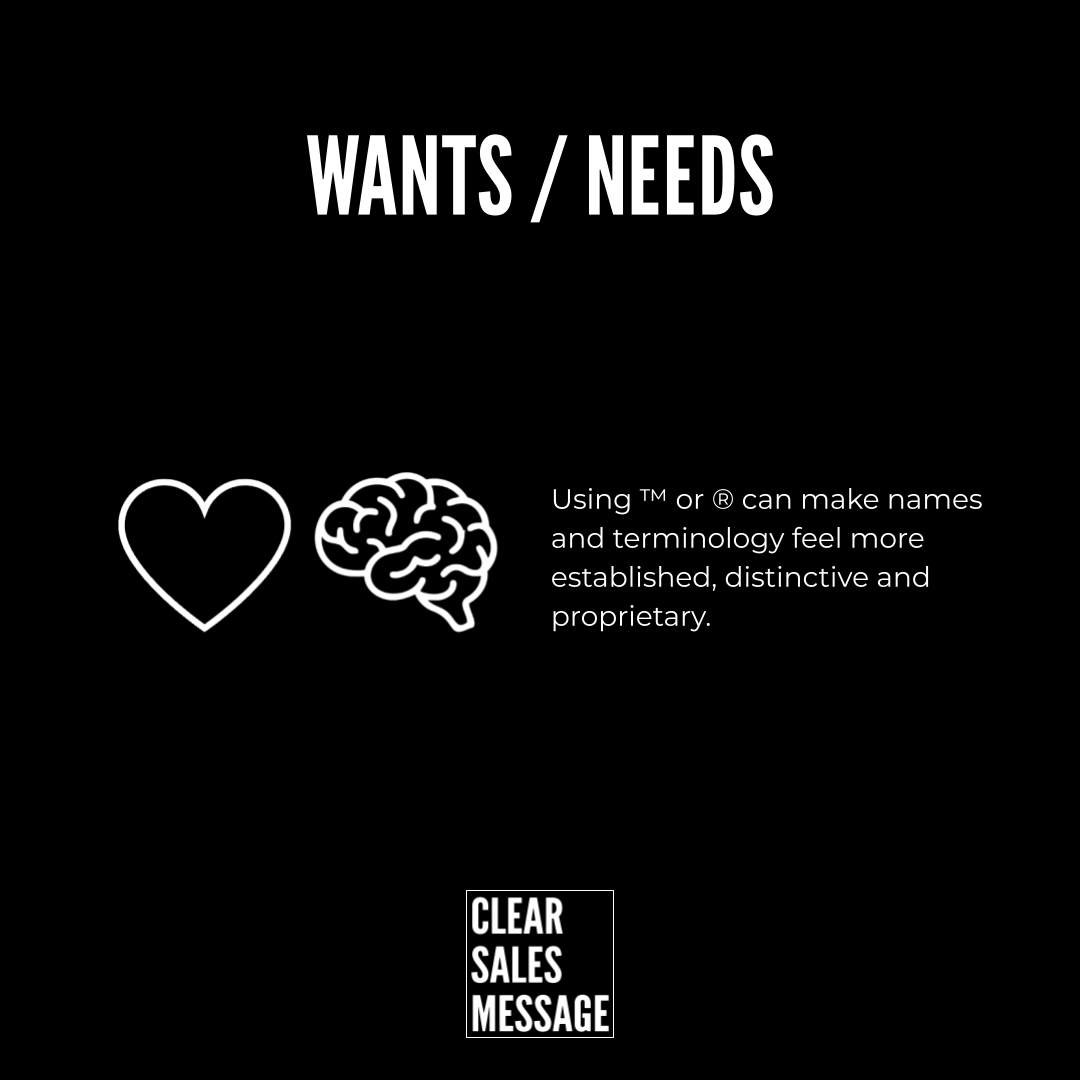
Wants and needs sound like the same thing. They’re not. A need is what actually solves the problem. A want is what the buyer feels pulled toward, whether or not it’s the smartest choice on paper.
Most purchases are driven by want, then defended with need. Someone buys the faster laptop because it feels good to own it, then explains the purchase using specs and productivity gains.
Why Does It Work
Emotion moves first. The brain reacts to a want before logic even gets involved. So the decision is often made before a single fact has been weighed up.
Logic still matters, just not first. It arrives afterward, to give the buyer a reason they can say out loud. “I need it for work” sounds better than “I wanted it.” Selling to both, in that order, covers the whole decision.
How Can You Use It
Lead With The Want
Open with how the outcome feels, not the technical benefit. Confidence, relief, status, freedom. The want is what gets someone leaning in before you’ve explained anything.
Follow With The Need
Once the want has done its job, back it up with the logical case. Give the buyer facts, numbers, and reasons they can repeat to a partner, a boss, or themselves later.
Match The Order To The Buyer
Some buyers respond faster to logic first, especially in technical or high stakes purchases. Watch how they talk about the problem, and mirror whichever comes first for them.
When It Works Best
This works best in any sale where emotion plays a real part, which is most of them. Even business purchases carry personal stakes like reputation, ease, or fear of a bad decision.
When It Becomes Dangerous
Selling only to the want with no logical backup leaves the buyer without a way to justify the purchase to anyone else, including themselves. That hesitation can kill a sale at the last step.
Selling only to the need, with no emotional pull, often just gets ignored. Facts alone rarely move someone to act quickly.
Common Mistakes
Leading With Specs Instead Of Feeling
Opening with technical detail loses the emotional pull that gets someone interested in the first place. Save the specifics for after you’ve earned their attention.
Forgetting The Buyer Needs A Reason To Give Others
Even a purely emotional purchase usually gets explained to someone else afterward. Give the buyer a logical line they can use, even if it wasn’t the real reason they said yes.
Assuming Every Buyer Works The Same Way
Some people genuinely lead with logic. Ignoring that and pushing pure emotion at a spreadsheet minded buyer can come across as manipulative rather than persuasive.
Wants / Needs – An Example
Buying A Gym Membership
Someone joins a gym because they want to feel stronger, look better, or feel proud of themselves again. That’s the want, and it’s what actually gets them through the door on day one.
Once they’ve signed up, the reasons shift. They’ll tell a friend it’s for their health, or that a doctor recommended more exercise. Those needs are real, but they weren’t what closed the sale. The feeling was.
See Also