Practical Sales Training™ > How To Get Attention > Riddles
Riddles
Most adverts tell you everything in one glance. So you glance, and you move on. But show someone a question they can’t answer, and something odd happens. They stop, they think, and they can’t let it go.
That’s the power of Riddles. A good puzzle turns a passer-by into a player. And once someone is playing, they’re paying attention to you.
What Are Riddles In Sales?
Riddles are questions, puzzles or clues you use to spark curiosity. Instead of handing over the answer, you invite buyers to work it out. So they lean in rather than scroll past.
They can be big or small. A cryptic billboard counts. So does a puzzle in an email subject line or a quiz at a trade show stand.
They work in B2B too. A short brain-teaser at the start of a talk or a puzzle on a mailer can open a conversation. As a result, you get a natural reason to follow up.
Why Do Riddles Work?
They work because our brains hate gaps. When we spot a question with no answer, we feel a pull to close it. So a puzzle holds attention far longer than a plain statement.
They also make people feel smart. Solving a riddle gives a small buzz of success. In fact, people often link that good feeling to the brand behind it.
Then there’s memory. We remember things we’ve worked out far better than things we’re told. As a result, a solved puzzle sticks.
Finally, people share riddles. They love to show off a clever answer or ask friends for help. So the message travels further for free.
How Can You Use Riddles?
Here’s how to make them work.
Keep It Solvable
A puzzle nobody can crack just frustrates people. So pitch it at the right level. Hard enough to be fun, but easy enough to finish.
Tie The Answer To Your Brand
The best riddles lead straight back to you. When the answer is your product or brand, solving it teaches people about you.
Give A Reward For Solving It
A prize, a discount or simply bragging rights gives people a reason to try. As a result, more of them take part.
Release Clues Over Time
Dripping out clues keeps people coming back. So each new hint becomes a fresh reason to talk about you.
Use It To Start A Conversation
In B2B, a puzzle can be a soft way to open a chat. For example, ask a prospect a quick industry riddle at an event. Then use the answer to talk about their challenges.
When Do Riddles Work Best?
They work best when people have a moment to think. Social media, posters people pass every day and events all suit them.
They also shine when you need to stand out. In a crowded market, a puzzle grabs attention a plain ad can’t.
And they help with playful brands. A riddle fits a fun, confident tone far better than a serious one.
When Do Riddles Become Dangerous?
They get dangerous when they’re too hard. If nobody solves it, people feel stupid and annoyed. And they blame your brand.
They also backfire when the answer has nothing to do with you. People enjoy the puzzle but forget who set it. So link the payoff to your brand.
Watch out for urgent messages too. If buyers need to act fast, a riddle just slows them down. In that case, say it plainly.
What Are The Common Mistakes With Riddles?
Most mistakes come from making the puzzle about you instead of the player. Here are the ones I see most.
Making It Too Clever
A riddle only insiders can solve shuts most people out. So test it on someone outside your team.
Forgetting The Payoff
Solving a puzzle with no reward feels flat. Instead, give people something worth finding.
Hiding Key Information
Some brands bury prices or dates inside a puzzle. That annoys buyers who just want facts. So keep the important details clear.
Not Planning For Success
If the puzzle takes off, you need to handle the response. So plan for lots of answers, calls or visits.
Riddles – An Example
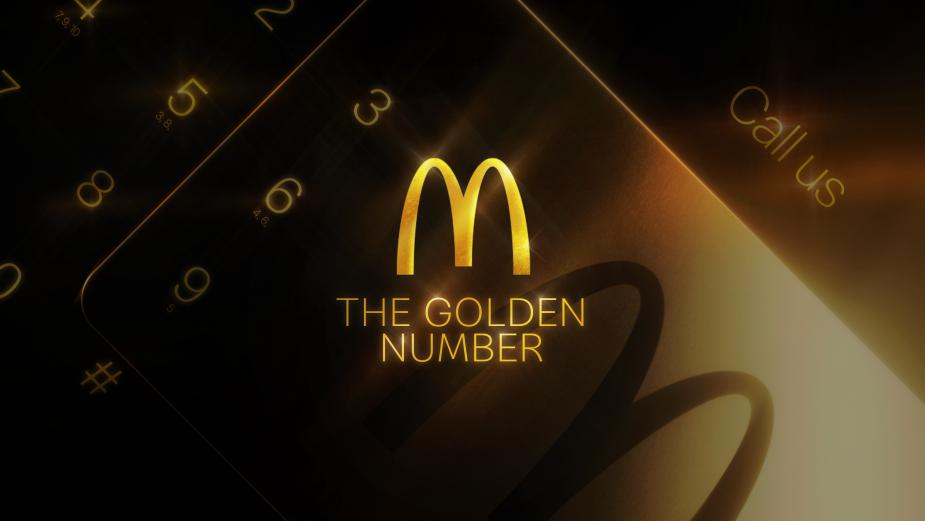
McDonald’s The Golden Number
McDonald’s in Sweden ran a brilliant riddle with its agency, NORD DDB. The team found that the McDonald’s jingle, played on a phone keypad, turns into a real phone number.
So they hid clues across Sweden. They appeared on staff name tags, food packaging, social media and billboards. People had to crack the code and call the number. Callers then entered a draw for a Golden Card, worth free McDonald’s for a year.
At first, the clues were too vague, and calls were slow. But once more hints came out, calls surged. In the end, around 5,000 people found the number and called it. That’s thousands of people who spent real time thinking about McDonald’s, just to solve a puzzle.
Source: LBB Online
See Also