Practical Sales Training™ > How To Convert > Atmospherics
Atmospherics
Walk into a hotel lobby with soft music, warm lights and the smell of coffee. Now walk into one with flickering bulbs, a buzzing fan and a stale smell. You’ve judged both hotels before anyone says hello.
That’s Atmospherics. The space around your buyer sends a message of its own. And it often lands before your sales pitch even starts.
What Is Atmospherics?
Atmospherics means the sights, sounds, smells, lighting and feel of a place where people buy. Together, they shape how buyers see your business.
It covers physical spaces like shops, showrooms, offices and restaurants. But it applies online too. Your website’s colours, images, speed and layout create an atmosphere as well.
In B2B, it shows up in your office and meeting room. It even covers your video call background. So every place a buyer meets you counts.
Why Does Atmospherics Work?
It works because people judge with their senses first. A space feels premium, cheap, calm or chaotic in seconds. Then buyers carry that feeling into how they judge your product.
It also sets expectations about price. A polished, quiet space hints at quality. In contrast, a cluttered one makes even a fair price feel too high.
Then there’s comfort. When buyers feel relaxed, they stay longer and ask more questions. As a result, they’re more likely to buy.
Finally, atmosphere tells your brand story without words. In fact, the right setting can say “modern,” “luxury” or “friendly” faster than any slogan.
How Can You Use Atmospherics?
Here’s how to put it to work.
Walk In As A Buyer
Visit your own space or website as if you were a stranger. Notice what you see, hear and smell first. Then fix anything that jars.
Match The Feel To Your Price
A premium offer needs a premium setting. Likewise, a budget brand should feel fast and simple. So make sure the space and the price tell the same story.
Use Light And Sound On Purpose
Bright light feels energetic, while soft light feels calm. Similarly, music can speed people up or slow them down. Choose what fits the way you want buyers to feel.
Think About Smell
Smell is one of the most powerful senses. Fresh coffee, clean air or a light scent can make a space feel welcoming. But keep it subtle.
Tidy Your Online Space Too
A slow, cluttered website feels like a messy shop. So clean up your pages, use good images and make it fast.
When Does Atmospherics Work Best?
It works best where buyers spend time in your space. Shops, showrooms, hotels and restaurants all rely on it.
It also matters with premium products. The higher the price, the more the setting needs to back it up.
And it helps in face-to-face B2B meetings. A calm, tidy room makes a big decision feel safer.
When Does Atmospherics Become Dangerous?
It gets dangerous when you overdo it. Music that’s too loud or a scent that’s too strong drives people away. So aim for comfort.
It also backfires when the setting doesn’t match the product. A flashy showroom with a poor product feels like a trick. As a result, buyers trust you less.
Watch out for shutting people out too. A space built for one type of buyer can make everyone else feel unwelcome.
What Are The Common Mistakes With Atmospherics?
Most mistakes come from never looking at your space with fresh eyes. Here are the ones I see most.
Ignoring The Small Stuff
A broken light or a messy desk sends a message. So fix the little things.
Going Too Strong
Loud music and heavy scents tire buyers out. Instead, keep the senses gently engaged.
Forgetting Online Spaces
Your website and video calls create an atmosphere too. So treat them like a shop floor.
Mismatching The Message
A cheap feel can undercut a premium price. So make the space match what you sell.
Atmospherics – An Example
Abercrombie & Fitch
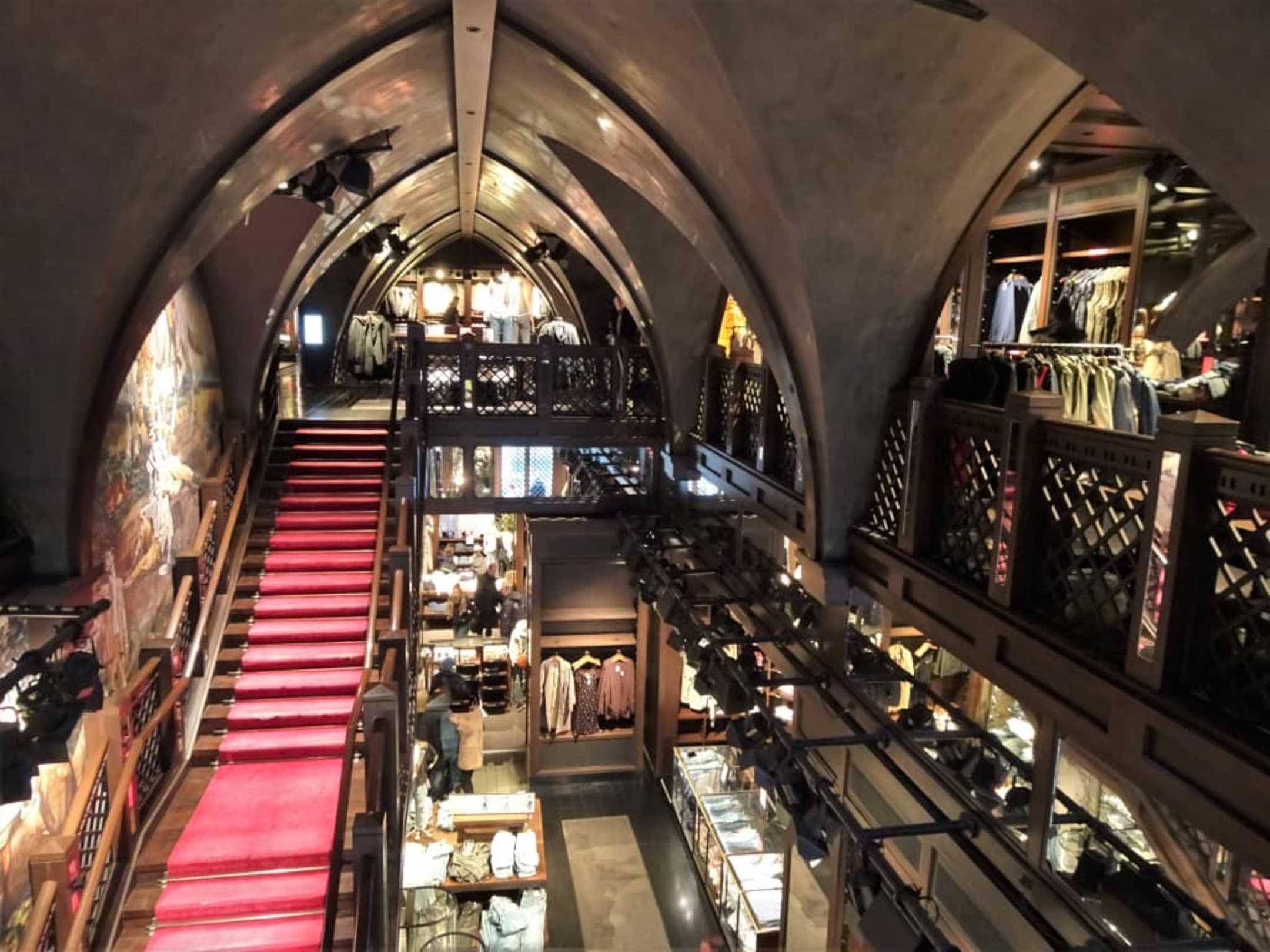
A brilliant real-world example of Atmospherics is Abercrombie & Fitch. Its store environments stood out, particularly in the 2000s and 2010s.
Abercrombie deliberately combined dim lighting, loud music, strong fragrance and attractive visual merchandising. Together, they created a very distinctive shopping experience.
Rather than simply displaying clothes, the brand designed its stores to feel like fashionable nightclubs.
So the environment became part of the product’s appeal. Customers weren’t only buying clothing. The sensory experience also told them about a lifestyle and a brand identity.
It’s a particularly strong example because Abercrombie later moved away from much of this approach. That included its famously overpowering fragrance and its dark stores. So it shows the power of atmosphere. It also shows the risk of going too far.
The lesson: what buyers see, hear, smell and feel shapes how they view what you sell. And it happens before a salesperson says a word.
See Also