Practical Sales Training™ > How To Convert > Binary Selling

Binary Selling
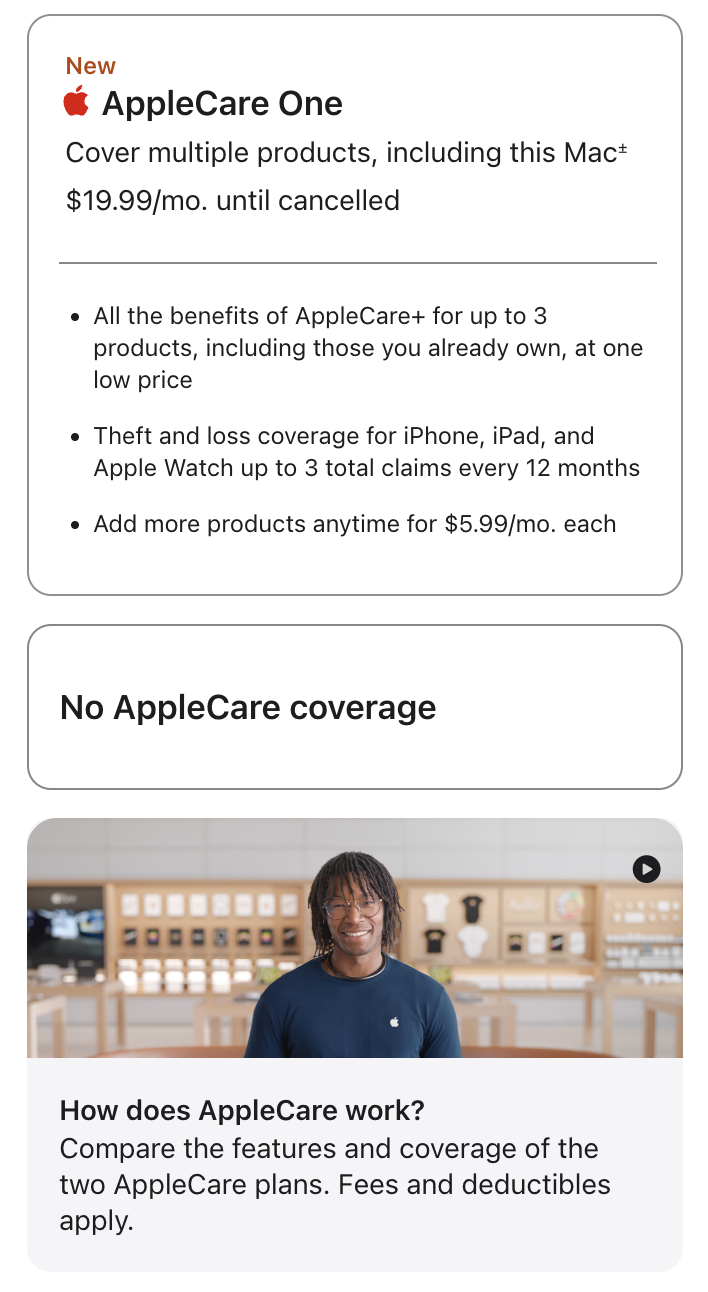
Want AppleCare? Yes or no. No tiers, no bundles, no “which package suits you best.” Just one option and one decision.
That’s binary selling. Instead of asking a buyer to compare, weigh up, and optimise, you hand them one clear path and let them decide whether they want it.
This page covers what binary selling is, why removing choice can actually make buying easier, and how to use it without it feeling forced.
What Is Binary Selling?
Binary selling is the practice of framing a buying decision as a simple yes or no, rather than a complex comparison between several options.
Instead of asking the buyer to weigh up packages, features, or alternatives, you present one clear path forward and invite them to decide whether they want it or not.
The power here comes from simplicity, not force.
Why Does Binary Selling Work?
Most buying hesitation comes from too much choice. When buyers have to compare options, weigh trade-offs, or try to optimise their decision, they slow right down. So the mental effort grows, and uncertainty grows right alongside it.
Binary selling removes that burden entirely. By stripping away unnecessary alternatives, the buyer no longer has to work out what’s best. They only have to decide whether this one solution solves their problem.
This shifts the question in their head. Instead of “which option should I choose?” it becomes “do I want to move forward with this?” That’s a much easier decision to make.
Importantly, binary selling doesn’t remove freedom. The buyer can still say no. What it removes is confusion.
How Can You Use Binary Selling In Sales?
Offer A Clearly Defined Single Option
When your offer is well scoped, presenting a single option feels respectful rather than restrictive. It signals confidence. You’re not asking buyers to design the solution with you. You’re offering something already complete.
Use It Once Trust Already Exists
Binary selling works especially well once a buyer already trusts your judgement. At that point, choice stops being a benefit and starts feeling like a burden instead.
Make Sure The Fit Is Genuine
The key here is integrity. The option you present has to genuinely fit the buyer’s situation. When it does, simplifying the decision feels helpful. When it doesn’t, that same simplicity feels like pressure instead.
Used properly, binary selling doesn’t push people into decisions. It clears the fog so they can see the decision that was already there.
When Binary Selling Works Best
It works best when your product or service is genuinely well defined, with little need for customisation. A buyer can say yes or no confidently when there’s nothing ambiguous left to clarify first.
It also works especially well for repeat buyers or anyone already familiar with your brand, since trust does most of the work that a longer comparison would otherwise need to do.
When Binary Selling Becomes Dangerous
It backfires the moment the single option doesn’t actually fit the buyer’s needs. Forcing a yes-or-no decision onto a genuinely complex situation feels like pressure, not simplicity.
It can also damage trust if buyers later discover that other options existed but were never mentioned. Binary selling depends on the single option being a true, fair fit, not a way to hide alternatives.
Common Binary Selling Mistakes
Using It On A Genuinely Complex Decision
Reducing a complicated, multi-factor purchase down to one yes-or-no question can feel dismissive. Save binary selling for offers simple enough to genuinely deserve it.
Hiding Other Options That Exist
If alternatives genuinely exist and you don’t mention them, buyers feel misled the moment they find out. Only use this approach when one option honestly is the right fit.
Mistaking Simplicity For Pressure
A single option should feel like clarity, not a forced choice. If a buyer feels cornered rather than helped, the approach has tipped into pressure.
Binary Selling – An Example
Apple offers AppleCare alongside its products with no tiers, no bundles, and no special deals to weigh up. You either want it or you don’t.
There’s no comparison chart, no “which plan is right for me” quiz, and no upsell ladder to climb. The decision is exactly as simple as it sounds, because Apple has already done the work of defining the offer.
That’s binary selling at its cleanest. The buyer isn’t asked to design anything. They’re just asked to decide.
See also