Practical Sales Training™ > How People Work > Bouba Kiki Effect
Bouba Kiki Effect
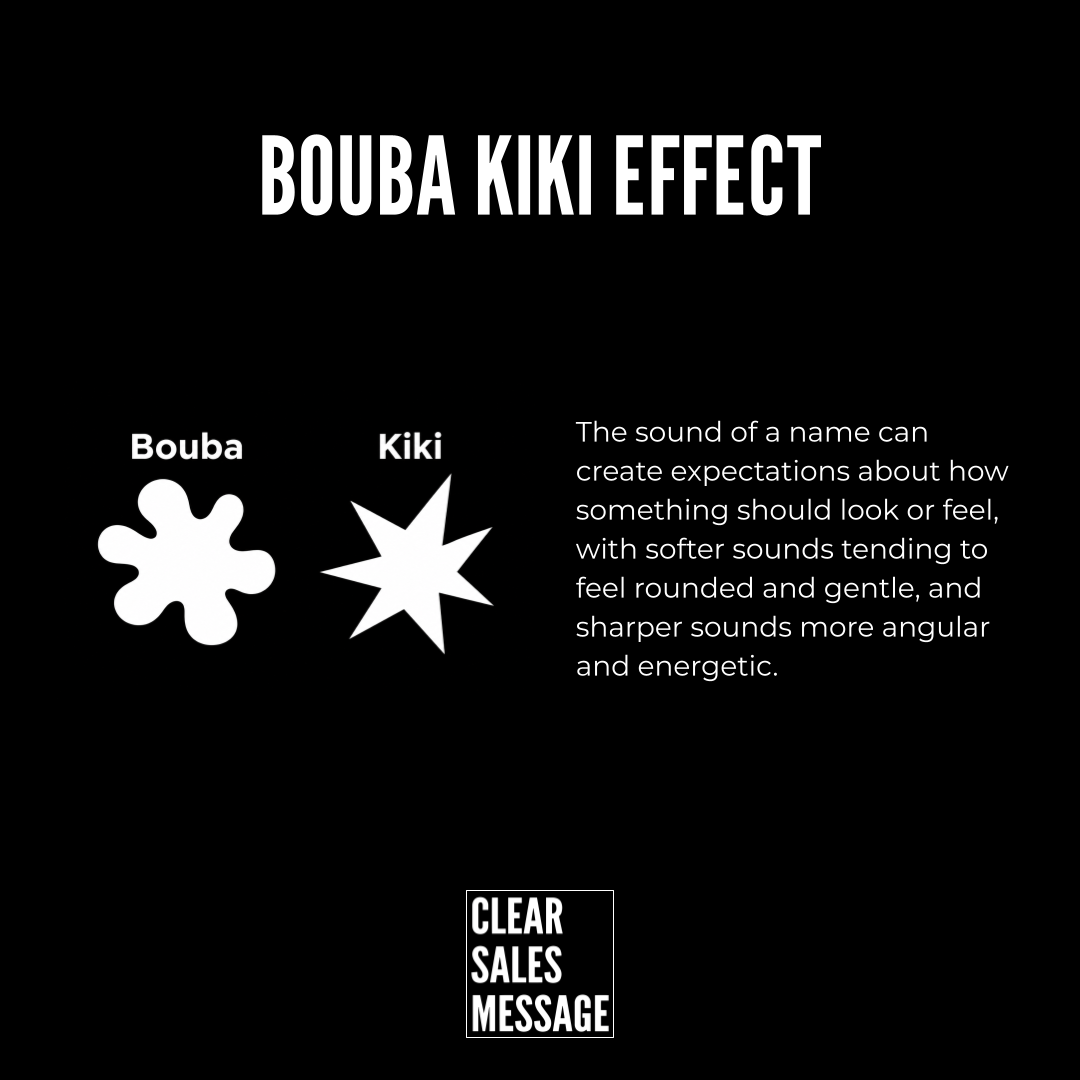
Picture two shapes. One is a soft, rounded blob. The other is a spiky star. Say one is “Bouba” and the other is “Kiki.” Which is which?
Most people say the blob is Bouba and the star is Kiki. They don’t need to think about it. And that tells you something useful about names.
That’s the Bouba Kiki Effect. People link sounds to shapes and feelings. So the name you choose shapes what buyers expect before they see a thing.
What Is The Bouba Kiki Effect?
The Bouba Kiki Effect means people match certain sounds with certain shapes and feelings. Soft sounds like “b,” “m” and “oo” feel round and gentle. In contrast, hard sounds like “k,” “t” and “i” feel sharp and lively.
It comes from a famous psychology test. Researchers showed people the two shapes. Then they asked them to name each one. Across many languages and countries, most people matched them the same way.
For sellers, it’s a naming tool. A product, brand or service name carries a feel of its own. So it can support your message or quietly fight against it.
Why Does The Bouba Kiki Effect Work?
It works because the brain links what we hear with what we see and feel. A sharp sound feels like a sharp edge. Similarly, a soft sound feels like a soft curve.
It also happens fast. Buyers don’t stop to think about it. Instead, they just get a feeling from the name.
Then there’s fit. When a name matches the product, it feels right. As a result, the brand seems clear and easy to remember.
Finally, a mismatch creates friction. A soft, cosy name on a fast, high-energy product feels odd. In fact, buyers may not know why, but they sense something is off.
How Can You Use The Bouba Kiki Effect?
Here’s how to put it to work.
Decide How You Want To Feel
Before you name anything, pick the feeling you want. Calm and safe? Or fast and bold? Then choose sounds that match.
Use Soft Sounds For Comfort
Names with “b,” “m,” “l” and round vowels feel warm and gentle. So they suit things like bedding, baby products, wellness or care services.
Use Sharp Sounds For Energy
Names with “k,” “t,” “z” and short “i” sounds feel crisp and quick. As a result, they suit tech, sports, snacks and anything built for speed.
Say Every Name Out Loud
A name that looks good on paper can sound wrong. So test it aloud with a few buyers and ask how it feels.
Match Your Visuals Too
Round logos and fonts suit soft names. Likewise, angular shapes suit sharp names. Then the name and the look tell the same story.
When Does The Bouba Kiki Effect Work Best?
It works best when you name something new. A product launch, a new service or a rebrand gives you a clean slate.
It also helps in busy markets. When rivals look alike, the right sound can make your name feel more fitting.
And it matters for products people touch, taste or use. The name sets up what the experience should feel like.
When Does The Bouba Kiki Effect Become Dangerous?
It gets dangerous when sound becomes the only test. A name also needs to be clear, easy to spell and free to use. So check those boxes too.
It also backfires when you overthink it. Spending weeks on vowel sounds can stall a launch. Instead, use it as one guide among several.
Watch out for meanings in other languages as well. A name that sounds perfect in English might mean something awkward elsewhere.
What Are The Common Mistakes With The Bouba Kiki Effect?
Most mistakes come from naming on looks alone. Here are the ones I see most.
Mismatching Sound And Product
A soft name on a hard-edged product confuses buyers. So line up the sound with the feel.
Never Saying It Aloud
Names live in conversations, adverts and sales calls. So always hear them before you choose.
Ignoring The Visual Identity
A sharp name with a bubbly logo sends mixed signals. Instead, make them match.
Treating It As A Magic Rule
Sound helps, but it won’t save a weak product. So use it to support a good offer.
Bouba Kiki Effect – An Example
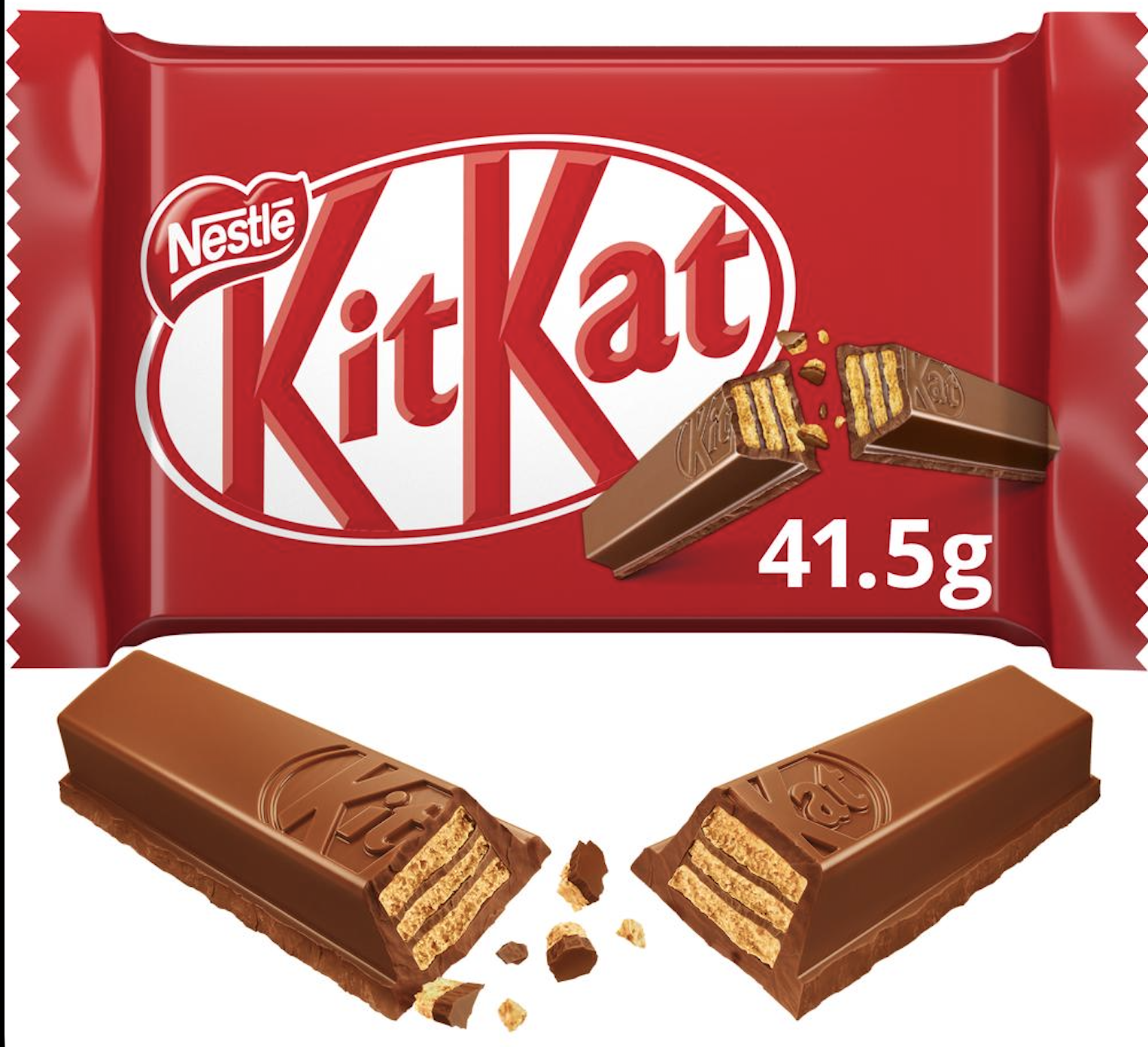
KitKat
Say the name aloud: Kit-Kat.
The short, crisp consonant sounds feel sharp and snappy. That’s much like the experience of breaking and biting into a chocolate-covered wafer.
So the sound of the name fits the physical feel of the product. In fact, the name almost sounds like the snap itself.
It’s a useful real-world illustration of sound symbolism. However, there’s no proof KitKat picked its name with this in mind.
The lesson: a name can tell buyers how a product feels before they’ve even tried it.
See Also