Practical Sales Training™ > How To Convert > Capped Pricing

Capped Pricing
“What’s the most this could ever cost me?” That’s the question sitting behind almost every hesitant buyer, even if they never say it out loud.
Capped pricing answers it directly. Instead of leaving the ceiling open, you set a hard limit, so the buyer knows exactly where the cost stops.
This page covers what capped pricing is, why it works so well psychologically, and when it’s the wrong fit for your offer.
What Is Capped Pricing?
Capped pricing is a pricing approach where the total amount a customer will ever pay gets limited to a clearly defined maximum. No matter what happens, the cost can’t go past that cap.
This removes fear, doubt, and “what if” thinking for the buyer, because they know the absolute worst case cost before they commit to anything.
At its core, capped pricing answers one simple question: “What’s the most this could ever cost me?”
How Does Capped Pricing Work?
Capped pricing works by setting a maximum ceiling on fees, even if usage, time, or scope grows. Typically, it works like this. A base price gets agreed first. Usage or activity can flex within reason. A hard upper limit gets set. Once the buyer hits that cap, costs stop rising entirely.
So the supplier absorbs the risk beyond the cap, not the buyer. For buyers, this creates real cost certainty. For sellers, it builds trust and cuts resistance right at the decision point.
Capped pricing doesn’t mean cheap pricing though. It means controlled, predictable, and defensible pricing instead.
How Can You Use Capped Pricing In Sales?
Capped pricing works especially well when buyers fear runaway costs, when a budget needs approval or sign-off, or when the decision risk feels high. It also helps when a buyer has been burned before, or when the value is clear but the outcome still feels uncertain.
Services
Offer a capped monthly or project fee, so clients know their maximum exposure even if the work expands along the way.
SaaS Or Subscriptions
Let usage scale freely, but cap the total monthly or annual charge to remove growth anxiety from the buyer’s side.
Consulting Or Retainers
Cap the total fee while still offering flexibility on hours, access, or scope underneath that ceiling.
Enterprise Or Procurement Sales
Use capped pricing to speed up approvals, since removing financial ambiguity helps a deal move through sign-off much faster.
When you position it correctly, capped pricing doesn’t just reduce objections. It reframes the entire decision as safe.
Why Does Capped Pricing Work Psychologically?
Buyers don’t avoid buying because of price alone. They avoid buying because of uncertain consequences.
Capped pricing works because it cuts perceived risk and helps prevent regret. It also makes comparison easier, signals confidence from the seller, and shifts focus back to value instead of worry.
In simple terms, it stops the buyer asking “what if this spirals?” and lets them ask “is this worth it?” instead. That’s a much easier question to answer.
When Capped Pricing May Not Be Right
Capped pricing isn’t suitable for every situation. It works less well when scope stays completely undefined, when value feels unclear or unproven, or when delivery costs sit outside your control.
It also struggles when buyers want unlimited flexibility with no trade-offs at all. In those cases, pair capped pricing with clear boundaries, fair usage rules, or tiered caps instead of one flat ceiling.
Common Capped Pricing Mistakes
Setting The Cap Too Low
A cap set below your real costs puts you at risk the moment usage grows. Build in enough room that the cap protects your margin, not just the buyer’s comfort.
Hiding The Cap In Small Print
A cap only works as a selling point if buyers actually see it. Put it front and centre in your pricing page or proposal, not buried in the terms.
Using It On Undefined Scope
Capping a price before you know what the work actually involves can trap you into an unprofitable deal. Define the scope first, then set the ceiling.
Capped Pricing – An Example
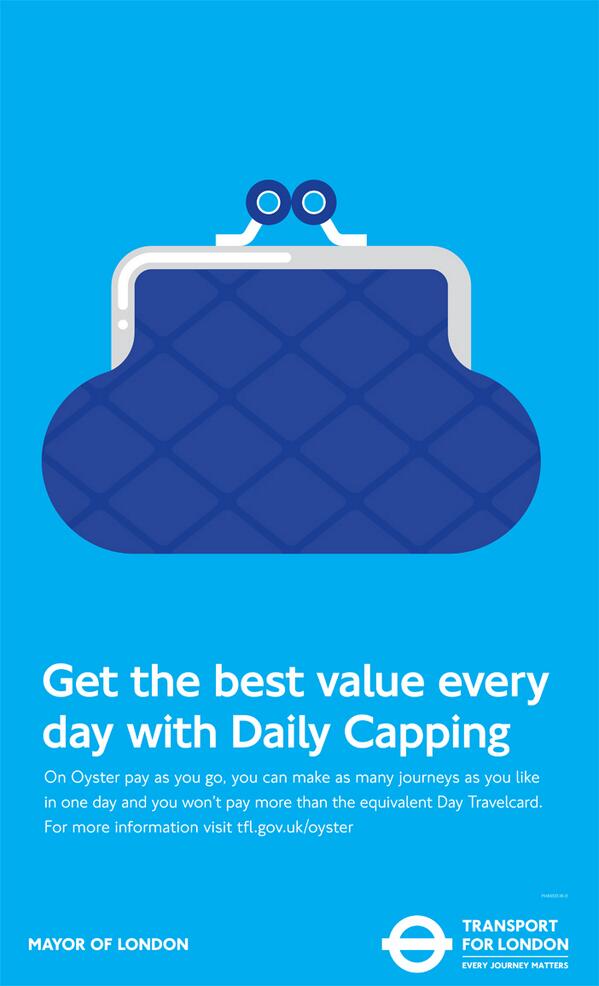
TfL caps fares on its buses and trains across London. Once a traveller’s daily or weekly spend hits a set limit, the system stops charging them for any further journeys within that period.
That cap removes a real worry for commuters. Nobody has to track every tap or worry that a busy week of travel will spiral into an unpredictable bill, because the absolute maximum is fixed in advance.
That’s capped pricing doing exactly what it’s meant to do. The traveller can focus on getting where they need to go, instead of mentally adding up fares throughout the day.
See also