Practical Sales Training™ > Selling Communication Basics > Cliches

Cliches
What Is It
A cliche is a phrase everyone already knows. Say “quality guaranteed” and nobody has to think. They’ve heard it before, so they nod and move on.
In selling, cliches turn up everywhere. Taglines, packaging, headlines, opening lines in a sales call. They borrow trust from somewhere else and try to attach it to you.
That’s not automatically bad. Familiarity sells. But it comes with a cost, and most people never stop to weigh it.
Why Does It Work
The brain likes shortcuts. A phrase you’ve heard a thousand times needs no translation. You just nod along, because your mind already filed it as safe.
This is why “as seen on TV” still works. Or “family owned since 1962.” Neither phrase is clever. They don’t need to be. They just need recognising.
Recognition beats originality when someone is scanning fast. And most buyers are scanning fast, whether they’re stood in front of a shelf or skimming an inbox.
How Can You Use It
Borrow Recognition On Purpose
Pick a cliche that already carries the association you want. If you’re selling something British, reach for red, white and blue. Union Jack colours do more work in half a second than three lines of copy.
Don’t explain the cliche. Let it sit there and do its job quietly, without a caption pointing at it.
Pair It With Something Specific
A cliche on its own says nothing new. Pair it with one real detail and it stops feeling lazy. “Family run” means nothing until you add “since 1962, three generations.” Now it has evidence behind it.
When It Works Best
Cliches work best when speed matters more than depth. Packaging, headlines, and quick scans of a shelf all reward them. If someone is deciding in two seconds, a cliche beats a clever line every time.
They also work well when you’re entering a category buyers already understand. You don’t need a new language for insurance. Or fish fingers.
When It Becomes Dangerous
A cliche turns dangerous the moment it makes a claim you can’t back up. Print “British Fish and Chips” on a box of fish fingers in France. You’re borrowing an association the product hasn’t earned.
The buyer feels tricked once they notice. And they will notice, because the gap between the promise and the product isn’t subtle.
Overused cliches also blur you into the category. If every competitor says “trusted” and “quality,” saying it too adds nothing. You’ve spent words to say nothing at all.
Common Mistakes
Using A Cliche As The Whole Message
Some businesses stop at the cliche. “Quality service” sits alone on the homepage with nothing underneath it. That’s a wasted headline, and a missed chance to say something true.
Borrowing An Association You Haven’t Earned
This is the fish and chips problem. Reaching for imagery tied to something you’re not actually delivering breaks trust the second the buyer notices the gap.
Cliches – An Example
Borrowed Imagery On A French Supermarket Shelf
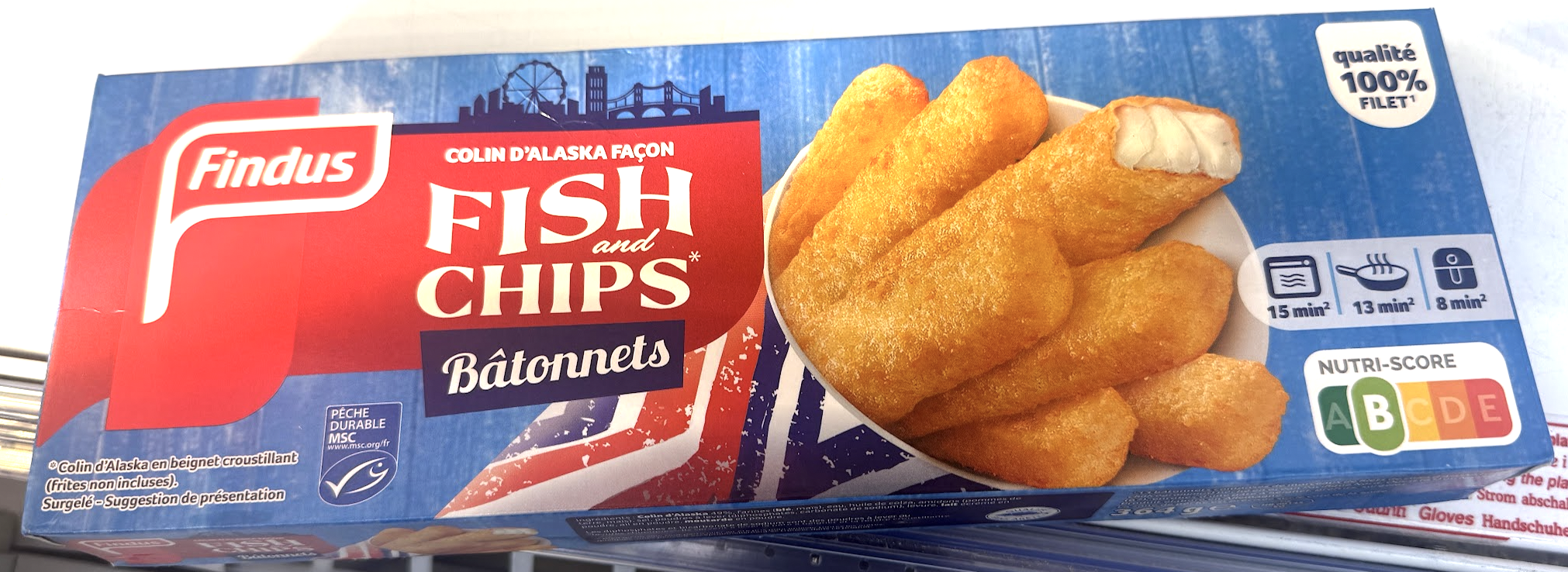
Take a look at this box of fish fingers, spotted on a supermarket shelf in France. Red, white and blue packaging. A skyline that could pass for London. The words “Fish and Chips” printed right across the front, with the actual product name sitting smaller underneath.
Anyone from the UK spots the gap straight away. Fish fingers aren’t fish and chips. They’re a different product, eaten a different way, in a different context entirely.
But that’s not really the point here. This packaging was never trying to convince a British shopper. It’s borrowing a cliche that means something specific to a French buyer. Britain. Seaside. A plate of something crispy and familiar.
The cliche does the selling before anyone reads a single ingredient.
See Also