Practical Sales Training™ > How To Keep Your Clients Happy > Ecosystem Effect
Ecosystem Effect
You buy one gadget from a brand and love it. Then you notice it works even better with their other gadgets. So next time you shop, you stick with the same brand without much thought.
That’s the Ecosystem Effect. Each product makes the others more useful. As a result, customers stay longer, spend more and find it harder to leave.
What Is The Ecosystem Effect?
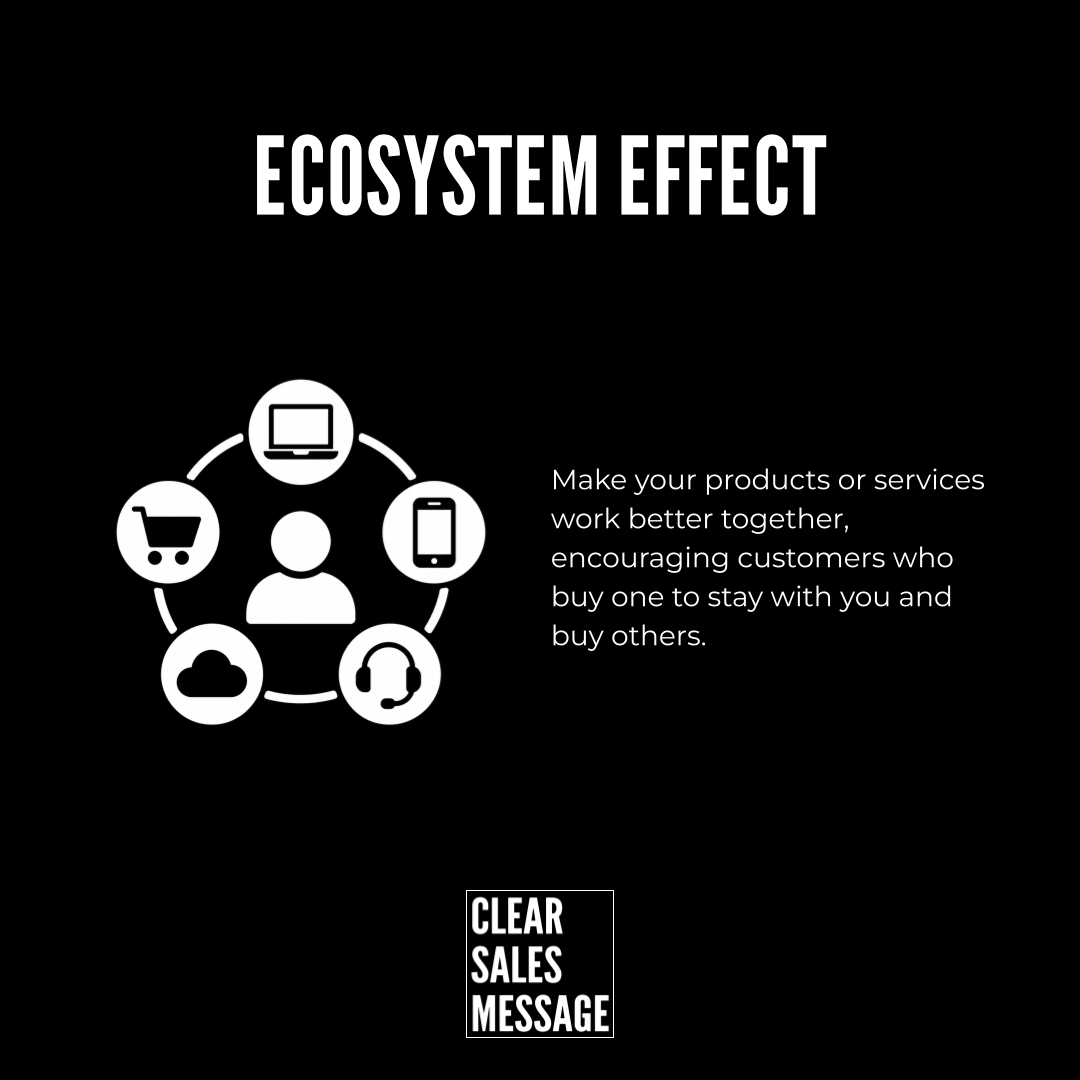
The Ecosystem Effect happens when your products or services connect. One thing works fine on its own. But it works better alongside the rest of your range.
You’ll find it far beyond tech. A coffee machine that takes only its own pods is one example. So is a gym with classes, a cafe and physio under one roof.
It works in B2B too. Software that shares data with your other tools saves the client time. So adding your next product feels like the obvious move.
Why Does The Ecosystem Effect Work?
It works because people value convenience. When everything talks to everything else, life gets easier. And buyers rarely want to give that up.
It also raises the cost of leaving. Switching one product means losing the links to all the others. As a result, staying put feels far simpler than starting again.
Then there’s trust. A good first experience makes the next purchase feel safe. So each product sells the next one for you.
Finally, it lifts lifetime value. A customer with three of your products is worth far more than a customer with one. They recommend you more too.
How Can You Use The Ecosystem Effect?
Here’s how to build one.
Make The Connections Real
Your products need to work better together in a way buyers can feel. Shared logins, synced data or matching parts all count. So focus on links that save time or hassle.
Show What They’re Missing
Many customers don’t know your other products exist. So show them how the next item adds to what they own. For example, “Works with the speaker you already have.”
Make The Second Purchase Easy
Offer a bundle discount or a simple add-on at checkout. Also, keep their details saved. As a result, buying the next piece feels like a small step.
Use It In B2B Too
Map out which of your services lead into each other. Then show clients how they fit. For instance, an audit leads to a plan, and a plan leads to ongoing support.
Look After The First Product
The whole ecosystem rests on the first purchase going well. If that one disappoints, nobody buys the rest. So get the basics right before you build outwards.
When Does The Ecosystem Effect Work Best?
It works best when your products truly connect. Tech, software and home systems are natural fits.
It also shines with long-term customers. The longer they stay, the more pieces they collect. So each year makes them more loyal.
And it helps in crowded markets. When rivals sell similar single products, your joined-up range stands out.
When Does The Ecosystem Effect Become Dangerous?
It gets dangerous when customers feel trapped. If leaving is hard on purpose, people resent it. And resentful customers complain loudly and leave the moment they can.
It also backfires when one product lets the rest down. A weak link damages trust in the whole range. As a result, customers start doubting everything you sell.
Watch out for shutting other brands out too much. Buyers like choice. So if your products refuse to work with anything else, some will avoid you from the start.
What Are The Common Mistakes With The Ecosystem Effect?
Most mistakes come from building lock-in instead of value. Here are the ones I see most.
Forcing Links Nobody Wants
Connecting products just to sell more feels cynical. So only link things where the customer clearly gains.
Hiding The Rest Of The Range
Some firms have products that work well together but never mention it. So customers buy the extras from rivals instead. Show the links at every stage.
Punishing People Who Leave
Making it painful to cancel might keep a few customers. But it costs you your name. Instead, make leaving fair and staying better.
Ignoring The First Product
Firms sometimes chase cross-sells and forget the core product. Yet that’s what brings people in. So keep it strong.
Ecosystem Effect – An Example
Apple
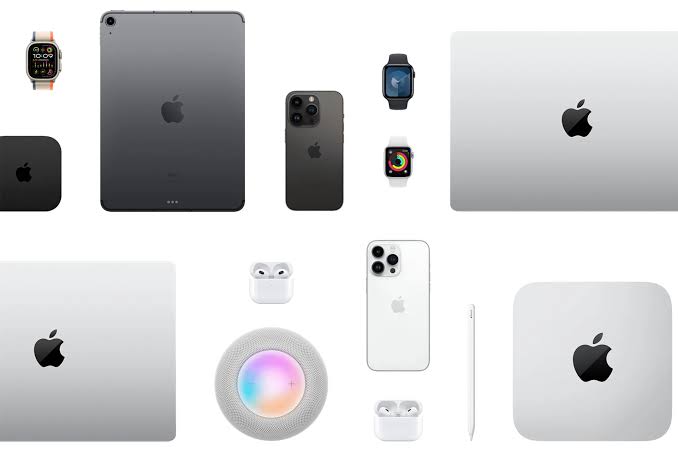
Apple is the classic example. An iPhone works fine by itself. But pair it with a Mac, AirPods and an Apple Watch, and things start to click together.
Photos appear on every device. Calls and messages follow you around. So each new Apple product makes the others more useful.
That’s why switching away feels so hard. Leaving the iPhone means losing all those links at once. As a result, plenty of Apple customers keep buying Apple, year after year.
See Also