
Practical Sales Training™ > How To Lose The Sale > Legacy Name

Legacy Name: When Your Business Outgrows Its Own Name
Businesses grow. Products change. Whole markets disappear and get replaced by new ones. But the name on the door often stays exactly where it started.
So that gap between the name and the reality is where this problem lives.
What Is It
A legacy name is one that no longer reflects what your business actually does. It changed over time, or the world around it changed, and the name simply never caught up.
Nobody usually notices it happening. It just quietly stops matching the business it’s attached to, once too much time has passed.
Why Does It Work
As humans, we need things to feel congruent. So we’re constantly guessing and filling in the gaps whenever something doesn’t quite add up. A name that doesn’t match what you do forces that guessing game every single time.
If the name is confusing, or feels abstract, it becomes a real barrier. Buyers struggle to see you as the obvious solution. They struggle to remember you. And they struggle to refer you to someone else.
How Can You Use It
Promote A Domain That Explains You Now
If your business name doesn’t reflect what you offer anymore, promote a better domain name instead. Lead with that, not the old one. So the web address can say what the name no longer does.
Rename Around What You Actually Solve
Sometimes the cleaner fix is a full rename. Build it around the problem you solve today. Not the one you solved decades ago. It’s a bigger move, but it closes the gap for good.
When It Works Best
This costs you least when the mismatch is mild and the brand is otherwise strong. A name that’s slightly outdated, but still widely trusted, can survive a long time on reputation alone.
It becomes far riskier the moment your buyer has never heard of you before. First impressions rely entirely on the name doing its job. So an outdated one has nothing else to lean on.
When It Becomes Dangerous
It becomes dangerous when new buyers actively misunderstand what you offer because of the name. Confusion at first contact costs you sales you’ll never even hear about. Most confused buyers simply move on rather than ask.
It also compounds the longer you wait. Every year the name drifts further from the business. And every year it gets a little harder to imagine changing it.
Common Mistakes
Assuming Buyers Will Fill The Gap Correctly
You know your own history, so the mismatch feels obvious and harmless to you. A brand new buyer has none of that context, and often fills the gap with the wrong assumption entirely.
Waiting For The Perfect Moment To Fix It
There’s rarely a perfect moment to address a legacy name, so most businesses simply never do. So the mismatch quietly costs sales every single day it goes unaddressed.
Changing The Name But Not The Story
A new name without a clear explanation just creates a fresh version of the same confusion. Tell people what changed and why, or the old mismatch simply reappears under a new label.
Legacy Name – An Example
Carphone Warehouse And Specsavers
In the UK, Carphone Warehouse takes its name from “car phones.” These were the bulky, vehicle-mounted devices that came before the mobile phone revolution properly began. Nobody buys a car phone today. The name references a product category that no longer exists.
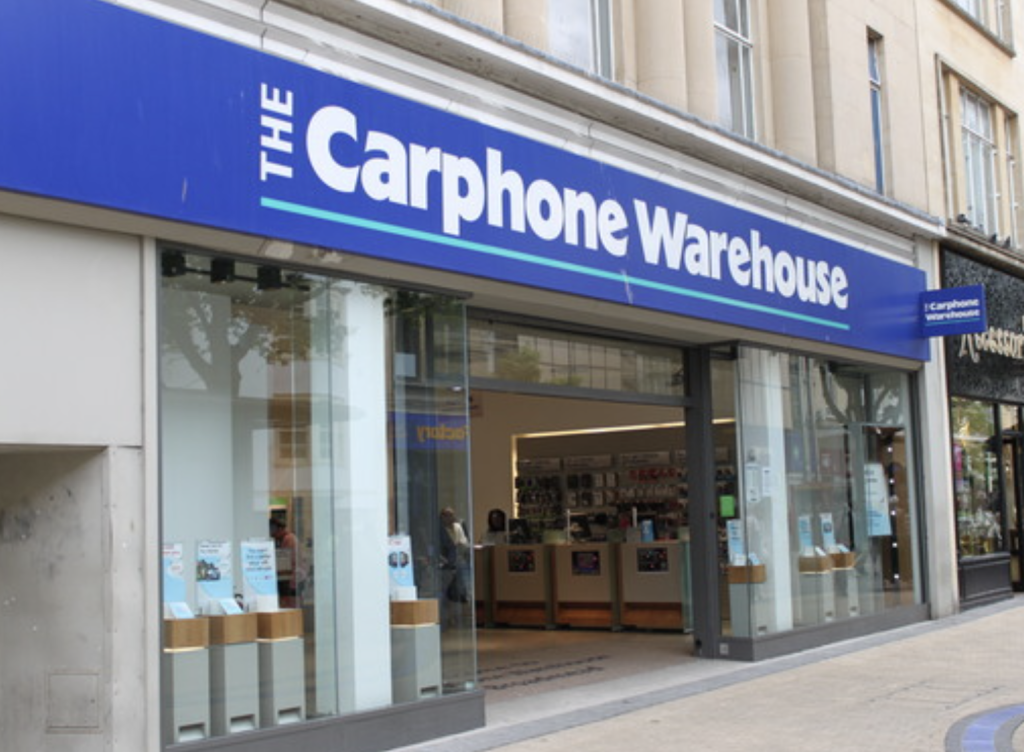
It’s not an overly damaging mismatch, since most buyers still recognise the brand. But it’s a clear example of a name mentioning something that simply isn’t there anymore.
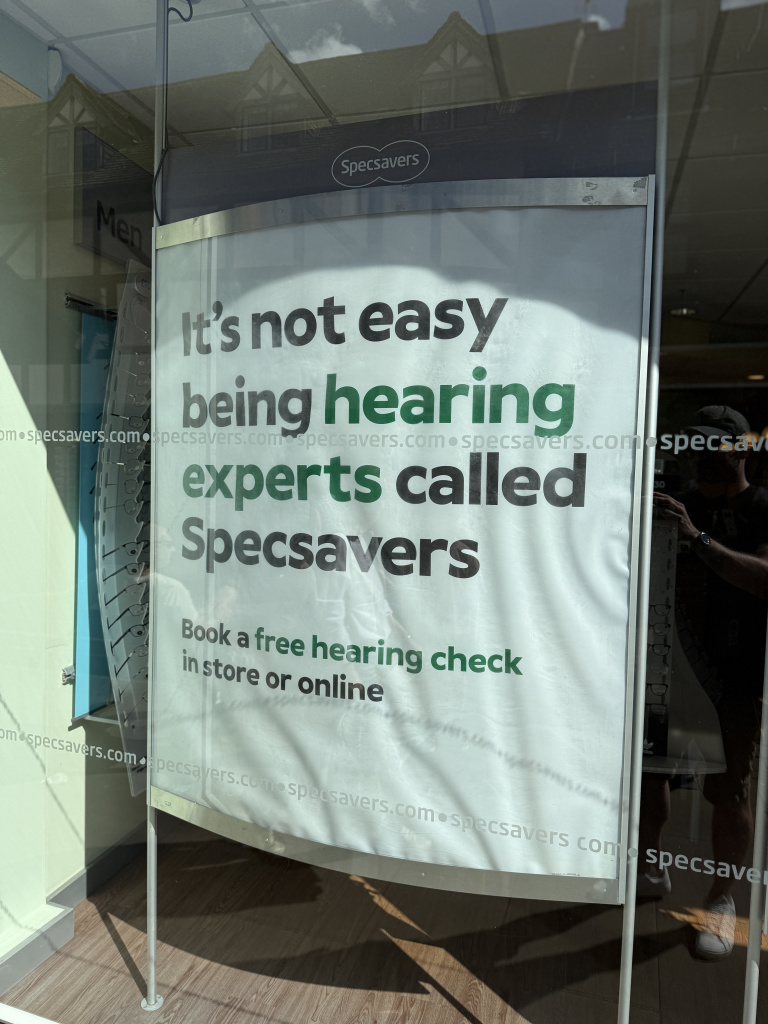
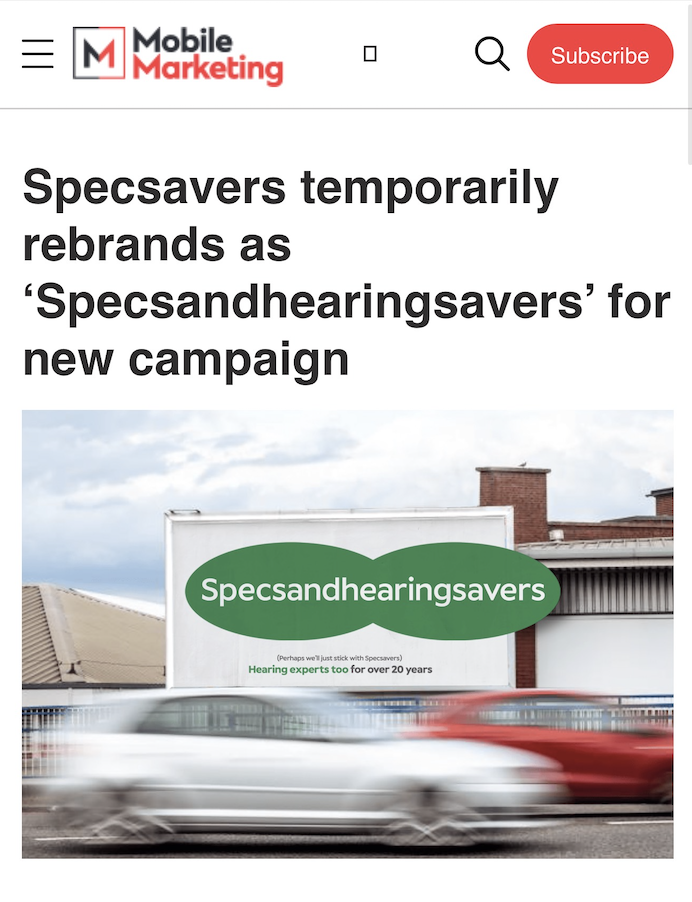
So Specsavers shows a milder version of the same pattern. The name promises glasses, and it delivers them, but Specsavers also sells hearing aids. That second half of the business never gets a mention in the name at all.
See Also