Practical Sales Training™ > How To Lose The Sale > Non Obvious Domain Name
Non Obvious Domain Name
Someone hears about your business and goes to look you up. But your web address is a jumble of letters. Or worse, it reads like a different business. So they give up and buy from a name that makes sense.
That’s the cost of a Non Obvious Domain Name. Your address is often the first thing a buyer types, sees or shares. And if it doesn’t match what you do, you lose them before they reach your door.
What Is A Non Obvious Domain Name?
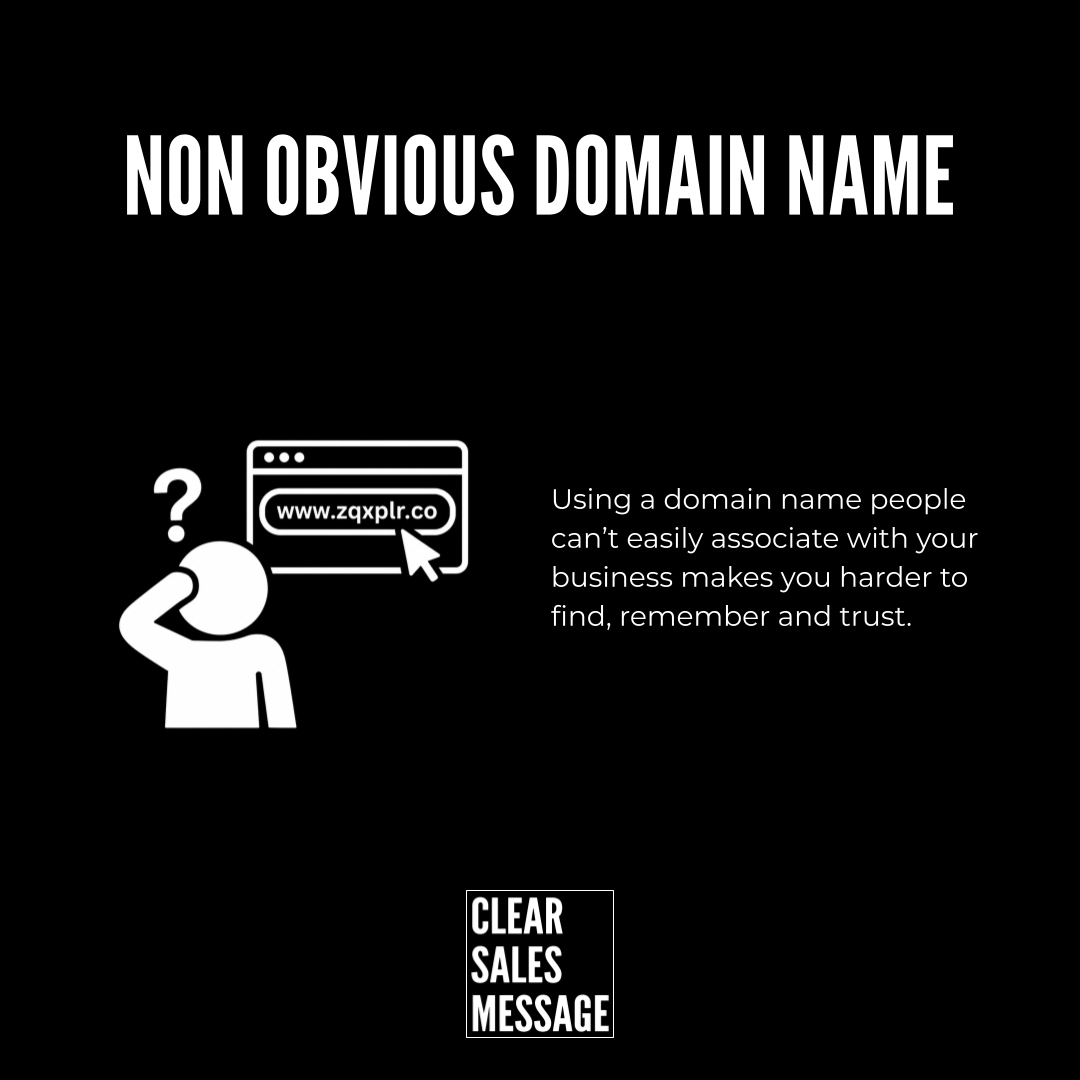
A Non Obvious Domain Name is a web address buyers can’t link to you. It might be random letters, a clever pun or an old name. Or it might split into words that mean something else.
The problem is simple. Buyers have to find you, remember you and trust you. Yet a confusing address makes all three harder.
It hurts in B2B too. A buyer passing your name to their boss wants an address they can say out loud. Spelling it twice kills momentum.
Why Does A Non Obvious Domain Name Cost You Sales?
It costs you because buyers rarely try twice. If they type your name and land somewhere else, most won’t dig deeper. Instead, they’ll click the next result.
It also breaks memory. People remember words that link to what you do. So a random string of letters slips out of their head before they reach a screen.
Then there’s trust. An odd address can look like spam or a scam. As a result, buyers hesitate before clicking a link in your email. They pause again before typing in their card details.
Finally, it can send the wrong message. Misread, your address gives buyers the wrong idea of what you sell. And first ideas are hard to shift.
How Can You Avoid A Non Obvious Domain Name?
Here’s how to make your address work for you.
Say It Out Loud
Before you buy a domain, say it to a friend over the phone. Then ask them to type it. If they get it wrong, buyers will too.
Write It Down And Read It Fresh
Write the address in lower case and read it as a stranger would. Look for words that join up into something odd. In fact, plenty of firms only spot the hidden word after launch.
Match Your Business Name
Your domain should match the name buyers know you by. So if they know you as Brown’s Plumbing, your address should say that too. Otherwise, buyers search for one name and find another.
Use Capitals Where It Helps
Stuck with an awkward address? Then use capitals on your signs and adverts. For example, TrumPetShop reads very differently from trumpetshop. Web addresses ignore capitals, so it still works when typed.
Buy The Obvious Versions Too
Buy the spellings and endings buyers are likely to guess, like .co.uk and .com. Then point them all to your main site. So even a wrong guess still gets them to you.
When Does A Non Obvious Domain Name Hurt Most?
It hurts most when buyers hear about you by word of mouth. They have only your name to go on. So they type what they think they heard.
It also matters on radio, podcasts and signs. Nobody can click those. Instead, buyers have to remember the address and type it later.
And it bites hardest for new firms. A big brand can get away with an odd name. But a business nobody knows yet needs every clue it can get.
When Does A Non Obvious Domain Name Become Dangerous?
It gets dangerous when your address leads to a rival. If a buyer mistypes and lands on a competitor’s site, you’ve just handed them a sale.
It also backfires when the address reads as something rude or silly. Buyers laugh, share it for the wrong reasons and forget what you sell. In fact, the joke can follow your brand for years.
Watch out for changing your domain in a hurry too. Old links, emails and printed flyers stop working. So plan the move and redirect every old address.
What Are The Common Mistakes With A Non Obvious Domain Name?
Most mistakes come from looking at the name only from the inside. Here are the ones I see most.
Choosing A Clever Pun
A pun can feel smart in the meeting. But if buyers have to work it out, many won’t bother. So save the wordplay for your slogan.
Using Initials Nobody Knows
Initials mean something to you. To a new buyer, they’re just random letters. Instead, use words that explain what you do.
Ignoring How Words Run Together
Domains have no spaces. So two harmless words can join into a third that’s odd or rude. Always check the address as one long string.
Picking A Strange Ending
Buyers expect common endings like .com or .co.uk. An unusual ending can look odd or shady. As a result, they may type the usual one and end up somewhere else.
Never Testing It With Real People
Owners often pick a domain alone, then print it everywhere. So test it on a few people first. It takes ten minutes and can save years of lost visits.
Non Obvious Domain Name – An Example
Trumpet Shop Or Pet Shop?
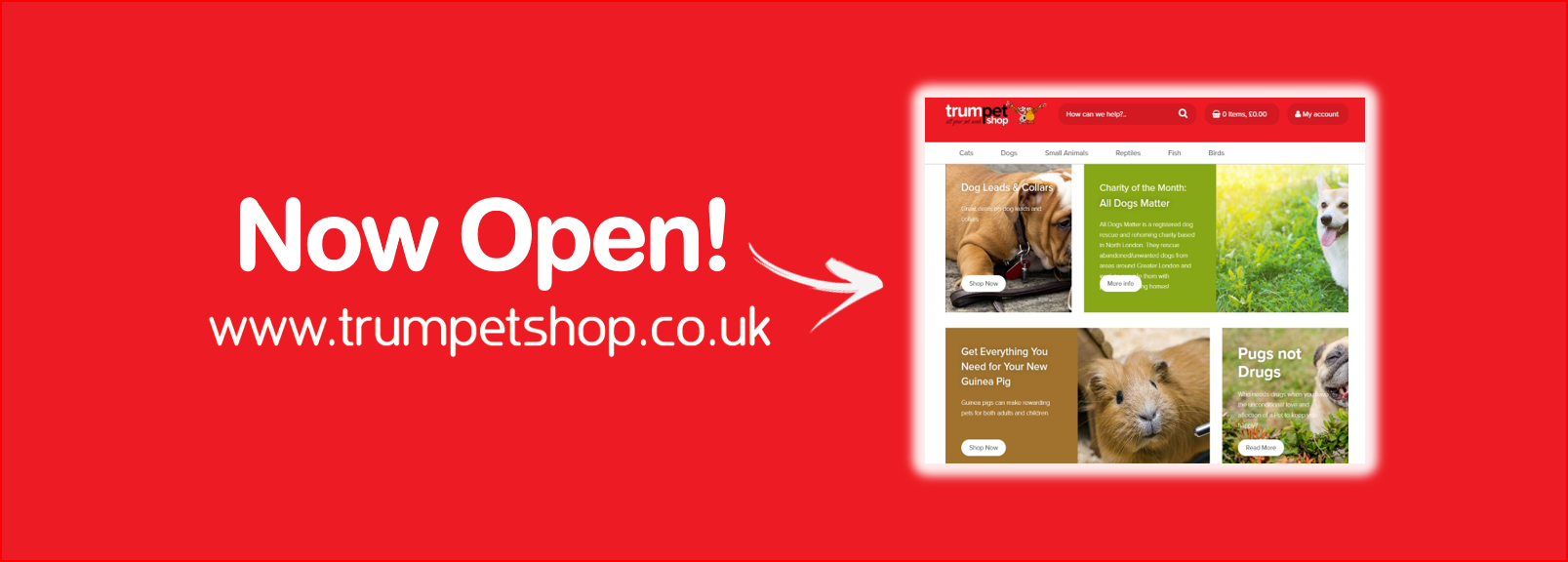
This was a PET SHOP and nothing to do with trumpets….
Read the address as one word and your brain goes straight to brass bands. Yet the business sold pet supplies. So anyone hearing the name would picture the wrong shop.
Now think about how that plays out. A musician might click in by mistake and leave straight away. Meanwhile, a pet owner looking for dog food would never think to type “trumpet”. As a result, the domain turns away the right buyers and pulls in the wrong ones.
One small tweak would have helped. Splitting it on signs as TrumPet Shop makes the pet part jump out. But the safest fix is a name buyers can’t misread.
See Also