Practical Sales Training™ > How to connect with your buyer > Olfactory Anchoring
Olfactory Anchoring
Smell is the most powerful sense for memory. A single scent can take you back years in an instant. Olfactory Anchoring uses that to your advantage.
The idea is simple. Pair a specific scent with your brand, your space, or a key moment in the buyer’s experience. Do it consistently, and that scent becomes a trigger. When they smell it again, they feel what they felt with you.
It works because scent bypasses conscious thought. Unlike a slogan or a logo, a smell hits the emotional part of the brain directly. So the connection it builds tends to be stronger and longer-lasting than most other tools.
What Is Olfactory Anchoring?
Olfactory Anchoring uses a specific scent to create a lasting emotional link with a brand, place, or experience. It’s a sensory marketing technique built on the brain’s strong connection between smell and memory.
The olfactory bulb processes smell. It sits right next to the parts of the brain that handle emotion and memory. Because of this, scent creates associations faster and more deeply than sight or sound.
When you pair a scent with a positive experience, the brain stores them together. Later, that same scent brings the memory and the feeling back almost instantly.
Why Does Olfactory Anchoring Work?
Smell has a direct line to the emotional brain. Other senses get filtered first. Scent doesn’t, so it lands faster and sticks harder.
Hotels use this well. A signature fragrance in the lobby gets linked to rest, comfort, and a good stay. When a guest smells something similar later, the feeling comes back. That feeling often turns into a desire to return.
Casinos test scents carefully too. They choose fragrances that keep people alert, comfortable, and willing to stay longer. The scent gets paired with the excitement of the floor, so it becomes part of the memory of a great night out.
How Can You Use Olfactory Anchoring In Sales?
Choose the right emotional state first
Decide how you want buyers to feel when they’re with you. Calm? Energised? Confident? The scent should match and reinforce that feeling, not work against it.
Pick a scent that’s unique to you
Generic scents trigger memories of other brands too. A custom or unusual fragrance means the association belongs to you alone, so the anchor you build stays yours.
Use it at every touchpoint
Entrances, waiting areas, product packaging, and even printed materials can carry scent. The more consistently you apply it, the stronger the anchor becomes.
Keep it subtle
The goal is not to fill the room. A light, consistent scent works better than an overpowering one. Buyers should notice how they feel, not that someone is scenting them.
When Olfactory Anchoring Works Best
It works best in physical spaces where buyers spend time. Retail, hospitality, events, showrooms, and waiting areas all give you the chance to build a real association across multiple visits.
It also works well when you want repeat business. The scent becomes a trigger for positive feeling, so it nudges a past buyer back towards you without them knowing why.
Similarly, it’s a strong tool when your competitors look and sound alike. A distinctive scent gives you a sensory edge that’s almost impossible to copy directly.
When Olfactory Anchoring Becomes Dangerous
The anchor works both ways. If a buyer has a poor visit, the scent locks that memory in just as effectively as a good one. So fix the experience first, then add the scent.
Strong or unusual scents can also put off buyers who are sensitive to smell. If someone finds it overpowering, it creates a negative link instead of a positive one.
And if you change the scent without reason, you break the anchor. Consistency drives the whole technique, so switching fragrance mid-campaign throws away the build-up you’ve already done.
Common Olfactory Anchoring Mistakes
Using a scent that’s too common
Vanilla, lavender, and citrus are everywhere. Buyers already link them to other places and brands, so the association you’re trying to build gets diluted. Go more specific.
Going too strong
A heavy scent feels intrusive. It draws attention to itself rather than blending into the experience. Subtle and consistent beats bold and obvious every time.
Being inconsistent
The anchor only builds through repetition. If the scent appears one visit and disappears the next, the link never forms. Treat it like any other brand asset and apply it every time.
Ignoring the experience underneath
Scent amplifies whatever the buyer already feels. A poor experience with a nice smell still leaves a poor memory. Sort the experience first, then layer the scent on top.
Olfactory Anchoring – An Example
The MGM Grand in Las Vegas pumps a custom fragrance through their ventilation system across the gaming floor. It’s a warm, slightly sweet blend with vanilla and citrus notes. The scent pairs with the energy and excitement of the casino, so it becomes part of the memory of being there.
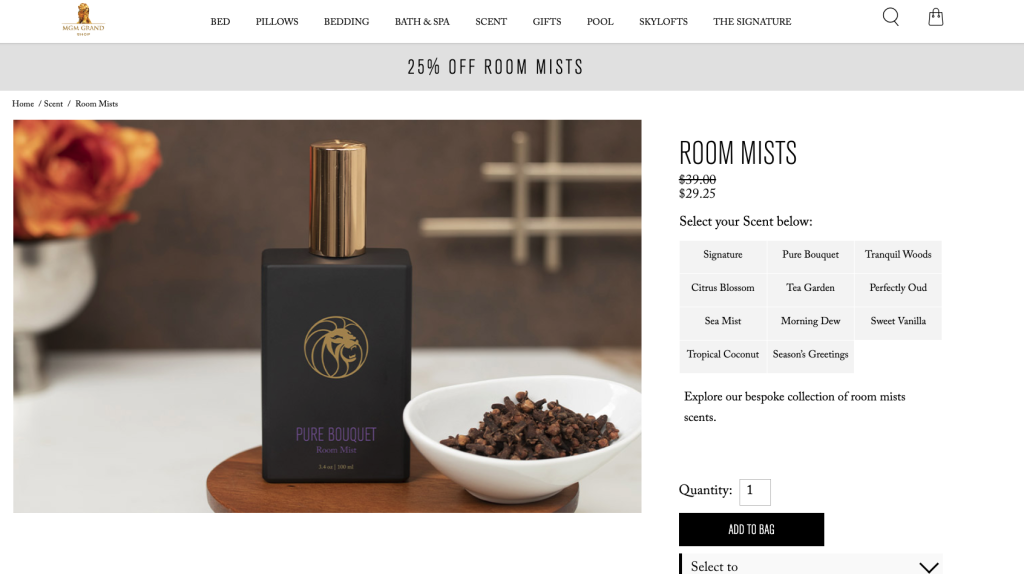
Their team tests scents to find ones that keep guests alert, comfortable, and happy to stay longer. And because the association runs so deep, you can even buy the MGM Grand room mist to take home, so the trigger travels with you.
See also