Practical Sales Training™ > How To Lose The Sale > Perceived Desperation

Perceived Desperation
Buyers pick up on tone, timing, and behaviour before they’ve consciously processed any of it. And one of the fastest ways to lose a deal is to give off the feeling that you need it too much.
Perceived desperation doesn’t require a dramatic moment. It shows up in the small things. Replying instantly at all hours. Dropping the price without being asked. Saying “we’d really love to work with you.” Each of these, on its own, might seem harmless. Together, they send a signal that shifts the power dynamic in the wrong direction.
The buyer stops seeing you as a confident expert. They start seeing you as someone who needs them. And nobody wants to buy from someone who needs them.
What Is Perceived Desperation?
Perceived desperation is when a prospect feels that you need the sale more than they need your solution. It shows up when you’re overly available, too quick to respond, or pushing too hard for the yes. Instead of building trust, it raises red flags and makes buyers pull back.
Sales is about confidence, not neediness. When a buyer senses desperation, it damages your credibility and shifts the power dynamic. You’re no longer the trusted expert. You’re the seller trying to close a deal. That repositioning happens fast, often in a single interaction.
The frustrating part is that the behaviours that signal desperation often come from a genuine desire to help. Replying quickly feels professional. Following up feels diligent. But from the buyer’s side, these same behaviours can read as anxiety, pressure, and low demand. Context changes everything.
Why Does Perceived Desperation Lose the Sale?
When you appear too keen, several things happen at once. First, your perceived value drops. If you’re always available, prospects assume you’re not in demand. And if you’re not in demand, they wonder why.
Second, it creates unwanted pressure. Buyers don’t want to feel chased. They want to feel like they’re choosing, not being pushed. Third, it damages trust. Desperation makes people question why you’re pushing so hard. Is the product not as good as claimed? Are there problems they haven’t heard about? These doubts form quickly and are hard to undo.
Fourth, it shifts your focus onto your sale rather than their problem. A desperate seller talks about what they need from the buyer. A confident one talks about what the buyer needs from them. The result is predictable: delayed decisions, ghosting, and a polite “we’ll think about it” that never converts.
How Can You Avoid Perceived Desperation In Sales?
The mindset shift comes first. Move from “I need this sale” to “I can help if it’s the right fit.” That reframe changes how you show up in every interaction. Here’s how to apply it in practice.
Set Boundaries Around Your Availability
Don’t reply at midnight or present yourself as always on. Respect your own time and the buyer will respect it too. When your diary shows only a handful of available slots rather than open availability across every day, it signals that your time is genuinely in demand. Because scarcity implies value, the same calendar sends very different messages depending on how full it looks.
Balance Your Follow-Up
Stay consistent without hounding. Professional persistence means following up once, adding value with each contact, and giving the buyer space between touchpoints. Chasing twice in a day, or escalating urgency across messages, signals anxiety rather than helpfulness. As a result, buyers start avoiding your messages rather than responding to them.
Hold Your Price
Discounting before anyone asks is one of the clearest signals of desperation. It tells the buyer you weren’t confident in the original price. Confident salespeople don’t slash prices to save a deal. They prove the value instead. So when a buyer pushes back, restate the value rather than offering a reduction before you’ve even explored whether a real objection exists.
Use Scarcity Authentically
Genuine scarcity is a powerful and legitimate conversion tool. Limited slots, real deadlines, and actual capacity constraints all create urgency without desperation. However, manufactured scarcity, claiming to be busy when you aren’t or inventing deadlines, reads as a pressure tactic. Buyers see through it quickly. And once they do, trust is hard to recover.
Focus on Their Outcome, Not Your Target
Make every conversation about what the buyer gets, not about what you need from them. When a seller focuses on closing, buyers feel it. When a seller focuses on the buyer’s problem, buyers feel that too. The second feeling is the one that builds trust and ultimately converts. So ask more questions about their situation and make fewer statements about your solution.
Signs You Might Be Showing Perceived Desperation
Run a self-check occasionally. Ask yourself whether you reply instantly to every message regardless of the time. Check whether you discount quickly to save a deal rather than defend the value. Notice whether you keep chasing when a buyer goes quiet instead of giving them space. And consider whether you tell prospects you’d really love their business or that you need their work.
Each of these signals tells your buyer you need them more than they need you. That’s when deals slip away. Not because of price or fit, but because of the feeling the interaction created.
The good news is that all of these are fixable behaviours. None require you to be less responsive or enthusiastic. They just require you to channel that enthusiasm into the buyer’s outcome rather than into your own need to close.
The Right Balance: Confidence Without Arrogance
The opposite of desperation isn’t arrogance. It’s calm confidence. Buyers want to feel three things: that you understand their problem, that you can solve it, and that you’re selective rather than desperate. That combination builds authority and makes prospects more eager to work with you.
Selective doesn’t mean aloof. You can be warm, responsive, and genuinely interested in helping while still projecting confidence. The difference is in what you’re focused on. A desperate seller focuses on the sale. A confident seller focuses on whether this is genuinely the right fit. That distinction comes through in every interaction, however small.
And when buyers sense that you’re evaluating them as much as they’re evaluating you, the dynamic shifts entirely. Being chosen by someone selective feels different from being sold to by someone eager. The first feels like a vote of confidence. The second feels like pressure.
Perceived Desperation – An Example
Imagine two booking calendars. One shows availability on almost every day of the month, with slots open from early morning to evening across the whole week. The other shows just two or three available slots over the coming fortnight, with most days already marked as busy.
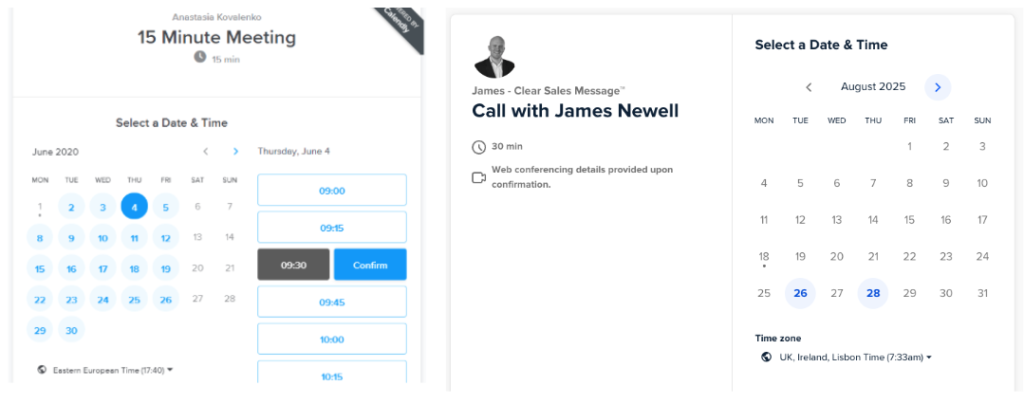
Both calendars are just booking tools. But they communicate very different things about the person behind them. The fully open one suggests low demand. The limited one suggests high demand. Neither tells the buyer anything about the quality of the work. But both shape how the buyer feels about the person they’re about to meet. That’s the Perceived Desperation effect in its simplest form: the signal lives in the detail, and the detail changes the decision.
See also