Practical Sales Training™ > How To Keep Your Clients Happy > Problem Ownership
Problem Ownership
A delivery turns up late. One supplier says, “The courier messed up, there’s nothing we can do.” Another says, “That’s on us. I’ve sorted a replacement for tomorrow and refunded the delivery charge.”
Which one would you buy from again? Exactly.
That’s Problem Ownership. When something is your responsibility, you take the problem off the buyer’s plate. And that builds more loyalty than a perfect record ever could.
What Is Problem Ownership?
Problem Ownership means taking full responsibility when something goes wrong on your side. You admit it, fix it and make sure the buyer doesn’t pay the price.
It also means owning problems before they happen. Some firms promise a result and back it with a guarantee. So the buyer knows you’ll carry the risk if you fall short.
The opposite is blame-shifting. “It’s the system.” “The courier lost it.” “Head office won’t allow it.” Buyers hear all of that as “It’s your problem now.”
Why Does Problem Ownership Work?
It works because it builds trust fast. Buyers expect excuses. So when you own a mistake, you stand out straight away.
It also lowers the fear of buying. If buyers know you’ll fix things that go wrong, saying yes feels safer. As a result, they buy sooner.
Then there’s the recovery moment. Handle a problem well, and a customer can end up happier than before. In fact, it often turns a complaint into a story they tell their friends.
Finally, it protects the relationship. Excuses make buyers angry. But ownership calms them down, because they feel someone is on their side.
How Can You Use Problem Ownership?
Here’s how to put it to work.
Say “That’s On Us”
Start by owning it in plain words. Skip the long story about why it happened. Buyers want to hear that you take it seriously.
Lead With The Fix
Tell the buyer what you’re doing about it, and when. For example, “I’ve booked an engineer for 9am tomorrow.” Then they can stop worrying.
Remove The Cost For The Buyer
If your mistake cost them time or money, make up for it. A refund, a credit or a free extra shows you mean it.
Give One Person The Job
Make one named person responsible until they’ve fixed it. So the buyer never has to chase or explain things twice.
Promise It Upfront
Use guarantees to own problems before they happen. A clear promise in your sales message tells buyers you’ll carry the risk. As a result, they feel safer saying yes.
When Does Problem Ownership Work Best?
It works best right after a mistake. That’s when buyers decide whether to stay or leave.
It also helps in long-term relationships. Clients on contracts or retainers need to know you’ll handle issues well.
And it shines in sales messaging. A guarantee that owns a common fear can win buyers who are on the fence.
When Does Problem Ownership Become Dangerous?
It gets dangerous when you promise more than you can deliver. A guarantee you can’t keep does more harm than no guarantee at all. So only promise what you control.
It also backfires when you own problems that aren’t yours. Taking the blame for a client’s own mistake sets a hard habit to keep. Instead, help kindly but be clear about who owns what.
Watch out for owning it without fixing it too. Saying “sorry, that’s on us” and then doing nothing is worse than an excuse.
What Are The Common Mistakes With Problem Ownership?
Most mistakes come from protecting yourself first. Here are the ones I see most.
Blaming Someone Else
Pointing at a supplier or a system sounds like an excuse. So own it, even if a partner caused it.
Over-Explaining
Long stories about what went wrong sound defensive. Instead, keep it short and move to the fix.
Making The Buyer Chase
If the buyer has to keep asking for updates, they’re carrying the problem. So update them before they ask.
Fixing It But Charging For It
Billing a buyer to fix your own mistake undoes all the goodwill. So absorb the cost.
Problem Ownership – An Example
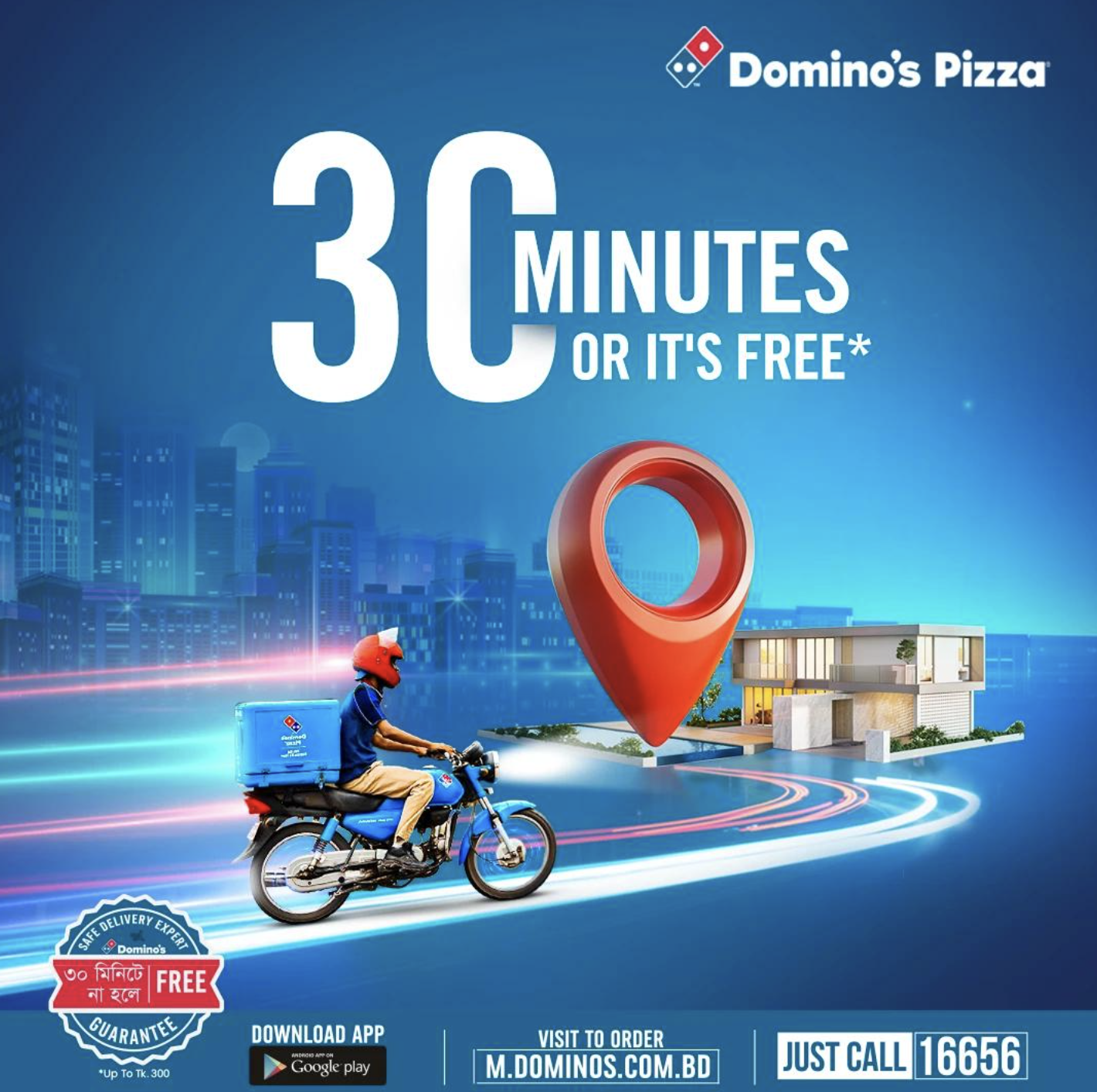
Domino’s 30-Minute Guarantee
Domino’s famously promised that your pizza would arrive within 30 minutes. If it didn’t, it was free. The offer ran in the US during the 1980s and early 1990s.
Most customers simply put up with late deliveries as part of life. Instead, Domino’s made delivery speed its own responsibility.
In effect, the business said, “Getting your pizza to you on time is our problem, not yours.”
Domino’s later dropped the guarantee in the US amid road-safety concerns. Still, it’s a memorable example. A company publicly took responsibility for something customers cared about.
The lesson: when something is your job, don’t make the buyer carry the cost of your failure.
See Also