Practical Sales Training™ > How To Lose The Sale > Shrinkflation

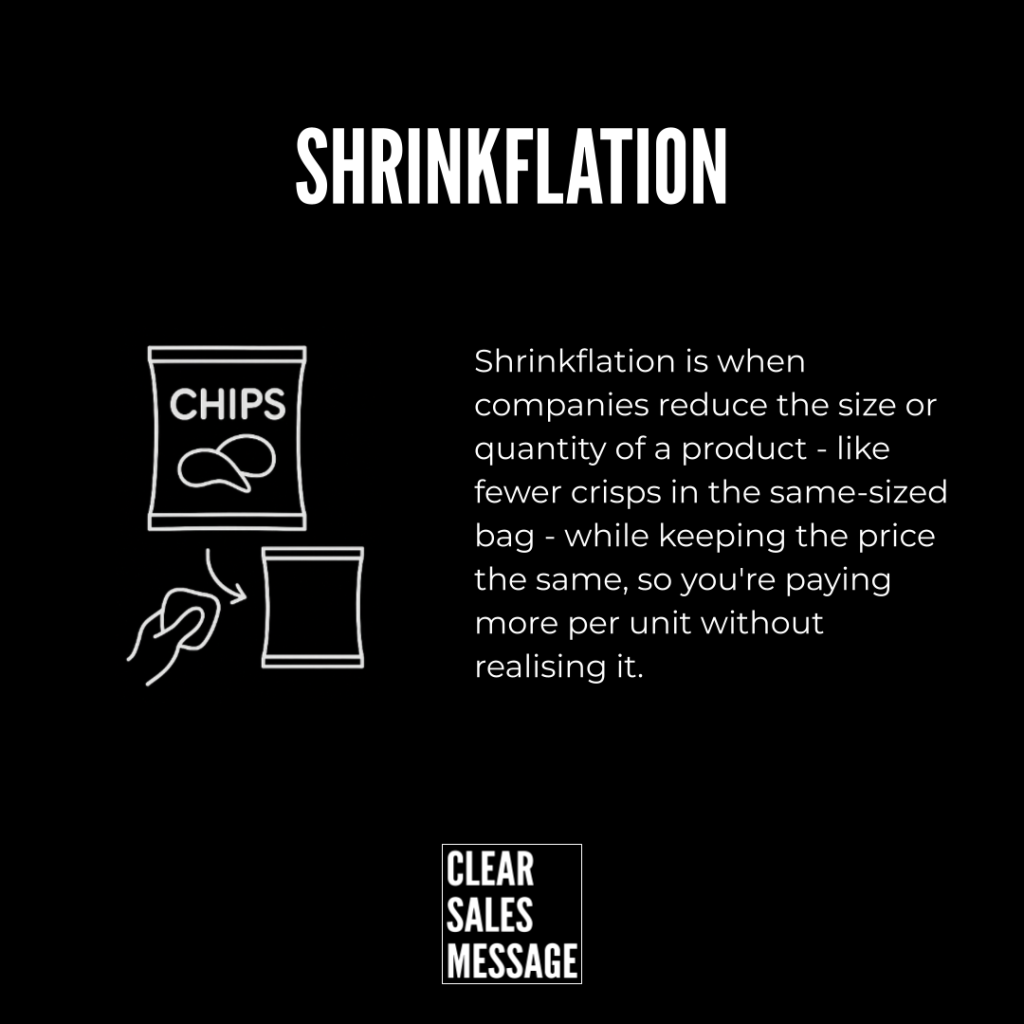
Shrinkflation
You’ve seen it in supermarkets. The chocolate bar gets smaller, but the price stays the same. The packaging looks identical. Nothing says anything changed. But it did.
Shrinkflation happens in sales too. The price stays the same, but less gets delivered. Fewer features, less support, stripped-back access, or promises that quietly shrink between pitch and delivery.
Buyers might not spot it immediately. But they feel it. And when they feel short-changed, they don’t complain. They just don’t come back.
What Is Shrinkflation?
In consumer goods, shrinkflation means a product gets smaller while the price stays the same. It’s a way to hide a cost increase without appearing to raise prices. The customer pays the same but gets less.
In sales, the same thing happens when you reduce the value of what you offer without adjusting the price or telling the buyer. The pitch stays the same. The invoice stays the same. But the delivery quietly shrinks.
This could mean cutting back on what’s included in a service, removing bonuses or extras that used to come as standard, delivering less follow-up or support, or overpromising and then underdelivering. Each version damages the relationship in the same way.
Why Does Shrinkflation Lose You the Sale?
A buyer agrees to purchase based on a specific idea of what they’ll get. When less arrives than expected, the gap between expectation and reality creates a feeling of being cheated. That feeling sticks.
Most buyers won’t raise it directly. They’ll say nothing, finish the contract, and quietly move on to someone else. So the damage is often invisible until it shows up in the numbers, fewer renewals, fewer referrals, fewer repeat purchases.
Trust also takes longer to rebuild than it does to lose. One instance of shrinkflation can undo months of good work, because the buyer now applies a mental discount to everything you promise going forward.
How Can You Spot Shrinkflation In Your Sales Process?
Your pitch no longer matches your delivery
If what you sell in the pitch and what you deliver after payment have quietly drifted apart, that’s shrinkflation. Compare your sales materials to what actually gets delivered and look for gaps.
Old testimonials describe a more generous offer
Case studies and reviews that reference bonuses, features, or levels of service you no longer provide create false expectations. Buyers who buy based on those reviews feel misled when the reality doesn’t match.
Support or access has been cut without announcement
Removing response times, reducing access, or trimming what’s included without telling existing customers is a classic form of shrinkflation. Buyers who notice feel disrespected rather than managed.
Renewal rates are falling without obvious reason
When customers stop renewing and can’t easily articulate why, shrinkflation is often the cause. They’re not unhappy enough to complain, but they no longer feel the value justifies the price.
When Shrinkflation Becomes Tempting
When costs rise and margins tighten, reducing delivery without raising prices feels like the path of least resistance. A price increase triggers pushback. A quiet cut in value often goes unnoticed, at least in the short term.
For high-volume, low-relationship sales, the risk feels lower. If buyers aren’t paying close attention, the reduction might not register. So the temptation grows strongest where customer relationships are weakest.
And because the damage is delayed, it’s easy to convince yourself it isn’t happening. Revenue looks stable today, even as the foundation for tomorrow quietly weakens.
How To Avoid Shrinkflation In Your Sales Process
Be transparent about changes
If your offer has changed, update your pitch to reflect it. Selling a leaner version of your product using the original promises is where the trust damage starts. Buyers respect honesty far more than they resent a reduced offer.
Align price with value
If you’re reducing what you deliver, consider adjusting your price or creating tiered options. A clear, honest price reduction lands better than a hidden value cut. Buyers feel less offended by transparency than by being quietly short-changed.
Keep your sales assets accurate
Old testimonials, case studies, and web pages that describe a more generous version of your offer create the wrong expectations. Review them regularly and update anything that no longer reflects what you actually deliver.
Protect the core result
If you need to trim features or support, make sure the outcome the buyer actually cares about still holds. Buyers can accept a leaner process if the result is the same. They can’t accept paying full price for a result that’s shrunk too.
Shrinkflation – An Example
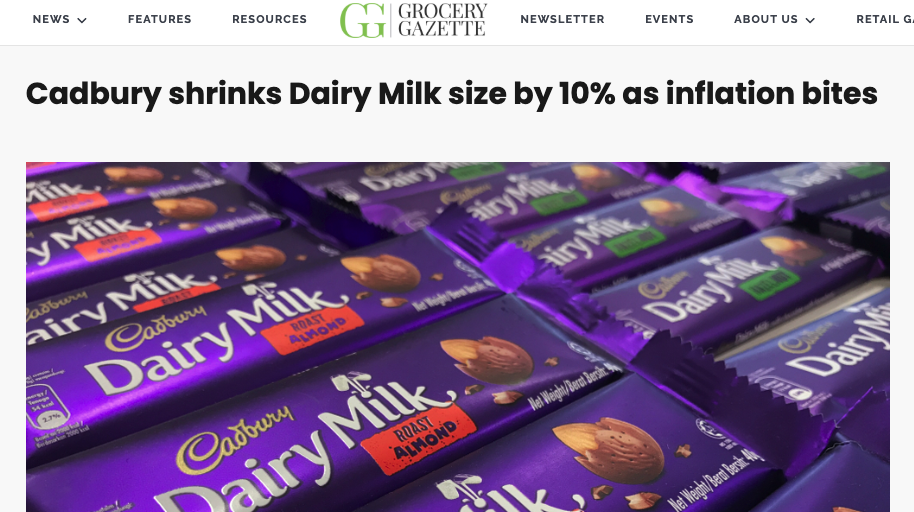
Cadbury reduced the size of its Dairy Milk bars from 140g to 120g while keeping the price the same. The move drew public backlash despite being attributed to rising production costs. Buyers felt cheated even though the price hadn’t moved, because the value had.
That’s the core problem with shrinkflation. The price is only part of the deal. Buyers also buy a quantity, a standard, and a level of delivery. Reduce any of those without saying so, and the relationship takes a hit regardless of what the invoice says.
See also