Practical Sales Training™ > How To Lose The Sale > Skimpflation

Skimpflation
The price hasn’t changed. The product looks the same. But something feels different. The service is slower. The quality is lower. The experience just isn’t what it was.
That’s skimpflation. And it’s one of the most effective ways to lose a customer without ever having a difficult conversation, because the buyer rarely tells you why they left. They just go.
Unlike a price rise, skimpflation is invisible at first. But the damage it does to trust is just as real, and often harder to repair because neither side ever names it.
What Is Skimpflation?
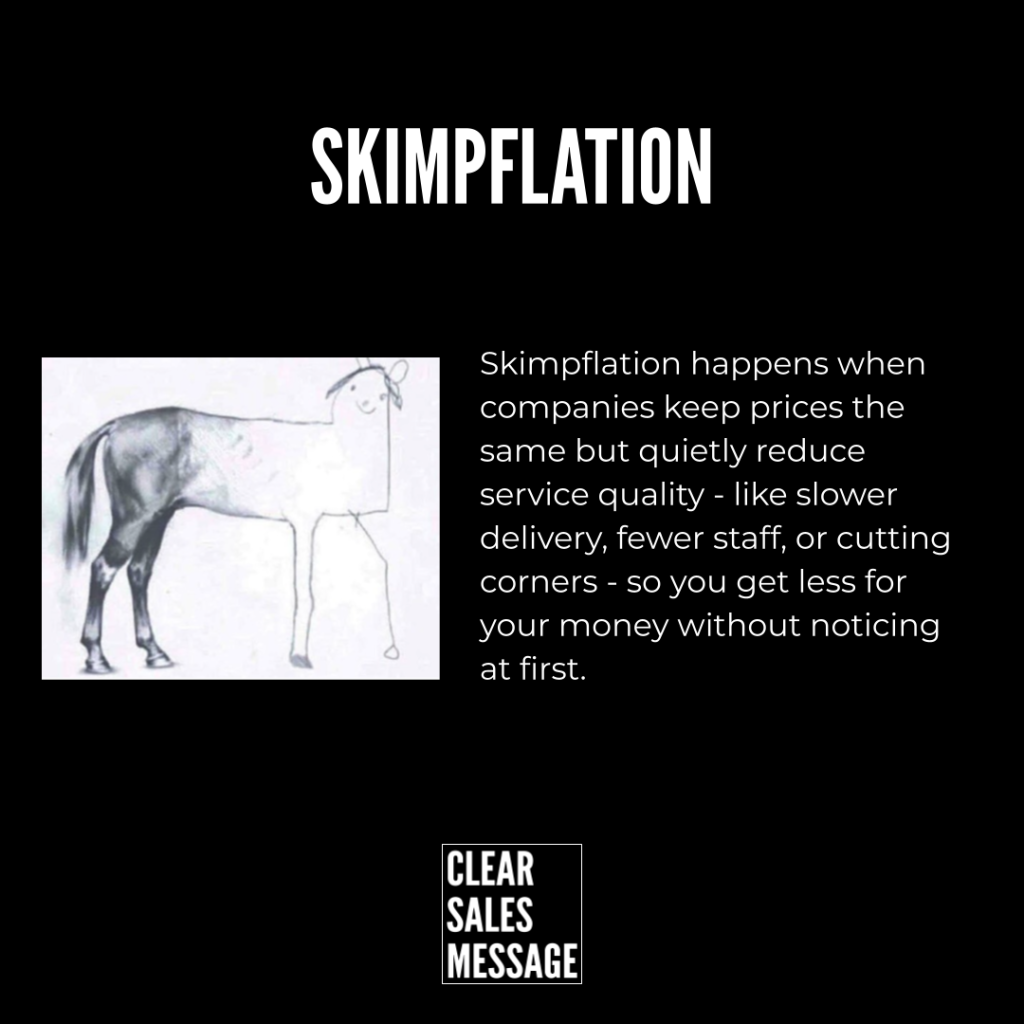
Skimpflation is when a business keeps its prices the same but reduces the quality of its product or service. Instead of raising prices openly, it cuts corners in ways the customer may not immediately notice.
This could mean fewer features, slower response times, lower grade materials, reduced staffing, or stripped-back service. The quantity stays the same, but the standard drops. That’s what makes it different from shrinkflation, which reduces quantity rather than quality.
Common examples include airlines removing free meals while keeping ticket prices steady, hotels cutting daily housekeeping, fast food brands serving smaller or cheaper ingredients, and customer service moving from human to fully automated. Each one reduces what the buyer gets without reducing what they pay.
Why Does Skimpflation Lose You the Sale?
Buyers build expectations based on past experience. When quality drops, those expectations go unmet. The buyer doesn’t always know exactly what changed, but they feel the gap between what they expected and what they got.
That gap creates doubt. And doubt is corrosive in a sales relationship. A buyer who feels vaguely short-changed starts looking around at alternatives, even if they never articulate the reason.
Word of mouth also suffers. Buyers who feel let down don’t usually shout about it. They just stop recommending you, and the referrals quietly dry up alongside the renewals.
How Can You Spot Skimpflation In Your Own Business?
Your delivery standard has drifted from your sales promise
Compare what your pitch promises against what your team actually delivers. If there’s a gap, buyers are experiencing skimpflation whether you’ve named it or not. That gap needs closing before it closes customers.
Cost pressures have led to quiet cuts
When margins tighten, the instinct is to reduce costs rather than raise prices. But if those reductions affect what the buyer experiences, the saving comes at a hidden cost to the relationship. Track what’s changed and assess the buyer impact honestly.
Retention is falling without obvious cause
When customers leave and can’t give a clear reason, skimpflation is often underneath it. They haven’t had a bad experience they can point to. The experience has just gradually stopped being good enough to stay for.
Your team is doing less but the price hasn’t moved
Fewer site visits, shorter calls, less proactive contact, reduced output. If your delivery has quietly scaled back but your invoices haven’t, that’s skimpflation. Buyers notice the reduced attention even when they say nothing about it.
When Skimpflation Feels Justified
Cost pressures are real. Materials cost more, staff cost more, and margins shrink. Reducing quality without raising prices can feel like the only option when a business is under pressure.
And in the short term, it often works. Revenue holds steady. Customers don’t immediately leave. The problem is the lag. By the time the damage shows in the numbers, the relationship has already deteriorated and the reputation has already taken a hit.
The justification also gets easier each time. One small cut feels manageable. But several small cuts compound, and the cumulative effect is a product or service that no longer matches what buyers thought they were paying for.
When Skimpflation Becomes Irreversible
Once a buyer has mentally downgraded their view of your quality, it’s very hard to shift back. They’ve recalibrated their expectations and their willingness to recommend you. A future improvement might not even register because they’re no longer paying close attention.
Skimpflation also sets a new baseline. If buyers accept a lower standard, you may feel pressure to cut further rather than restore. The floor keeps dropping, and the gap between your pitch and your delivery keeps growing.
And if buyers start talking to each other, the reputation effect spreads fast. One buyer’s vague sense of disappointment becomes a pattern when others confirm the same feeling.
Common Skimpflation Mistakes
Assuming buyers won’t notice
Buyers notice quality drops more reliably than businesses expect. They may not raise it, but they register it. Assuming silence means satisfaction is one of the most expensive mistakes a business can make.
Not telling buyers about changes
If you need to reduce what you deliver, telling buyers directly is almost always better than hoping they don’t notice. Transparency preserves trust. Quiet cuts destroy it, especially when buyers feel they should have been told.
Confusing skimpflation with efficiency
Not all cost reduction is skimpflation. If you find a smarter way to deliver the same result at lower cost, that’s efficiency. But if the result itself gets worse, it’s skimpflation regardless of what the internal justification says.
Failing to review and restore
Temporary cuts made under pressure often become permanent by default. Build in a review point so that when cost pressures ease, quality gets restored. Buyers who see standards improve tend to forgive a dip far more than ones who never see it addressed.
Skimpflation – An Example
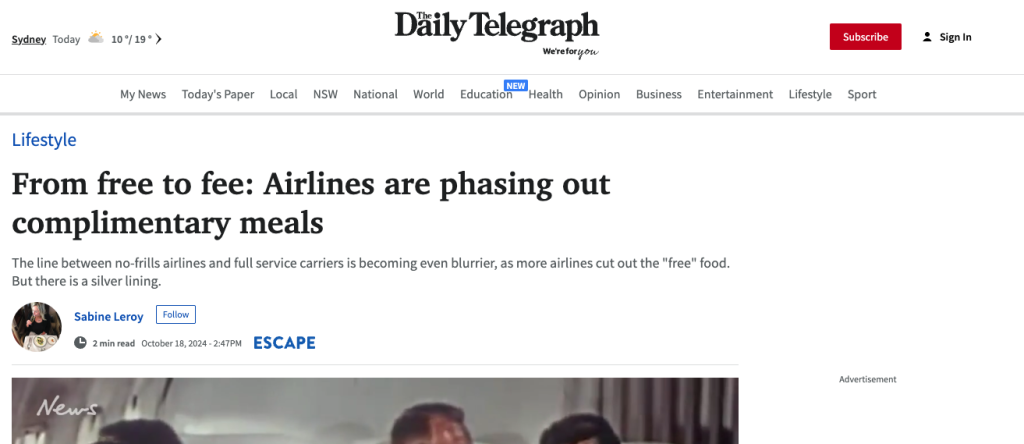
After the pandemic, many airlines cut complimentary meals, reduced legroom, and lowered cabin crew numbers while keeping or raising ticket prices. Passengers paid the same or more for a noticeably worse experience.
The line between budget and full-service carriers blurred as a result. Buyers who had chosen a carrier based on its service reputation found that reputation no longer matched the reality. Some switched. Many simply stopped being loyal.
That’s the real cost of skimpflation. Not just the lost sale today, but the lost relationship that could have been worth far more over time.
See also