Practical Sales Training™ > How To Get Attention > The Brochure Effect
The Brochure Effect
Everyone is fighting for attention online. Inboxes are full, feeds move fast, and most digital messages vanish within seconds. So when something lands in your hands instead of on your screen, it feels different.
A brochure, catalogue, or printed guide slows the reader down. They pick it up, flick through it, and give it time they would never give a banner ad. That time is what makes the Brochure Effect so powerful.
In a world that has gone almost entirely digital, print has become the pattern interrupt. And pattern interrupts get noticed.
What Is the Brochure Effect?
The Brochure Effect is the idea that offline materials – brochures, catalogues, handbooks, or printed guides – can cut through noise in a way digital tools often cannot. A physical item feels more permanent, so people give it more time and attention.
When everyone else relies on digital channels, something you can hold in your hands stands out immediately. It also signals effort. Print costs money and takes planning, so buyers associate it with quality and seriousness in a way a quick email never can.
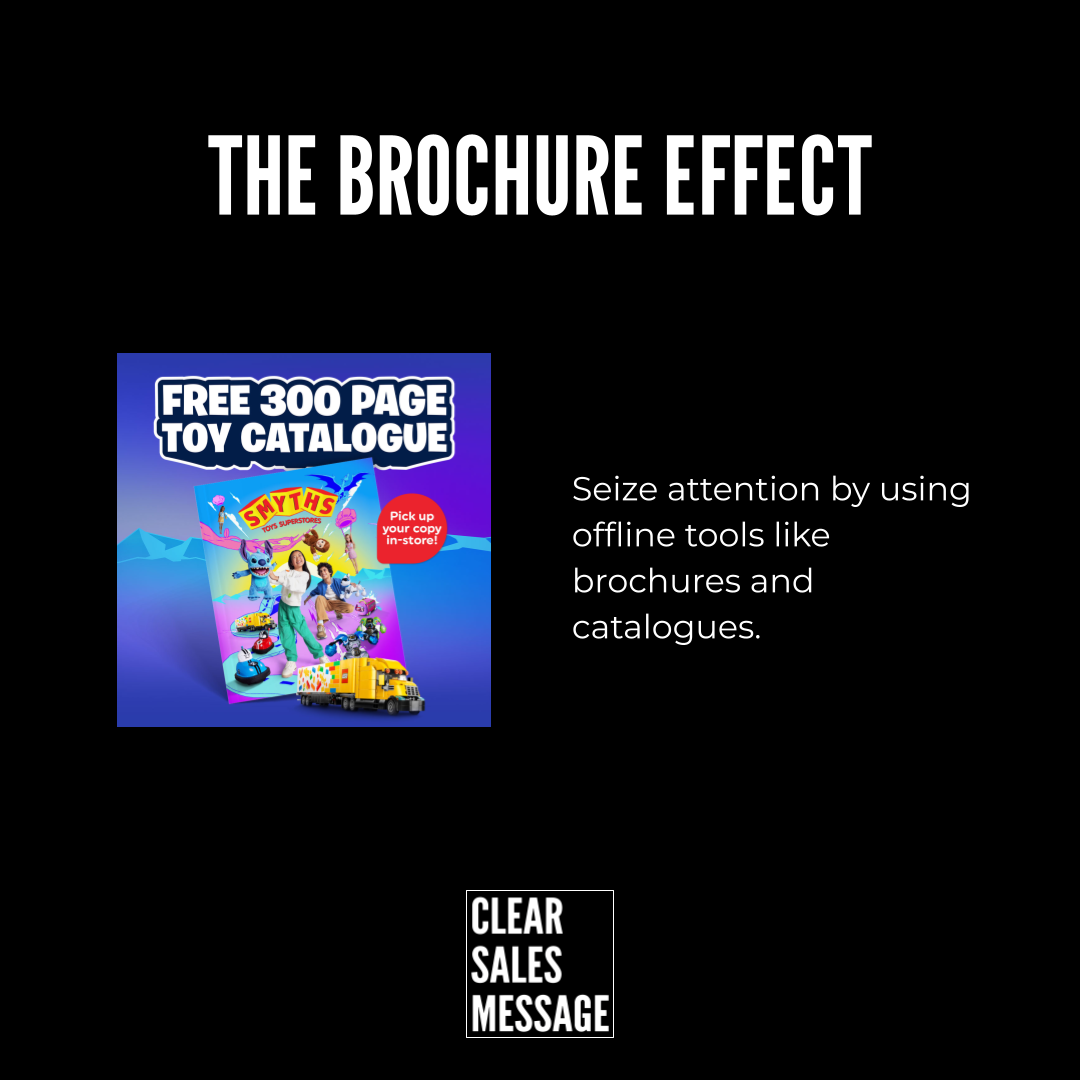
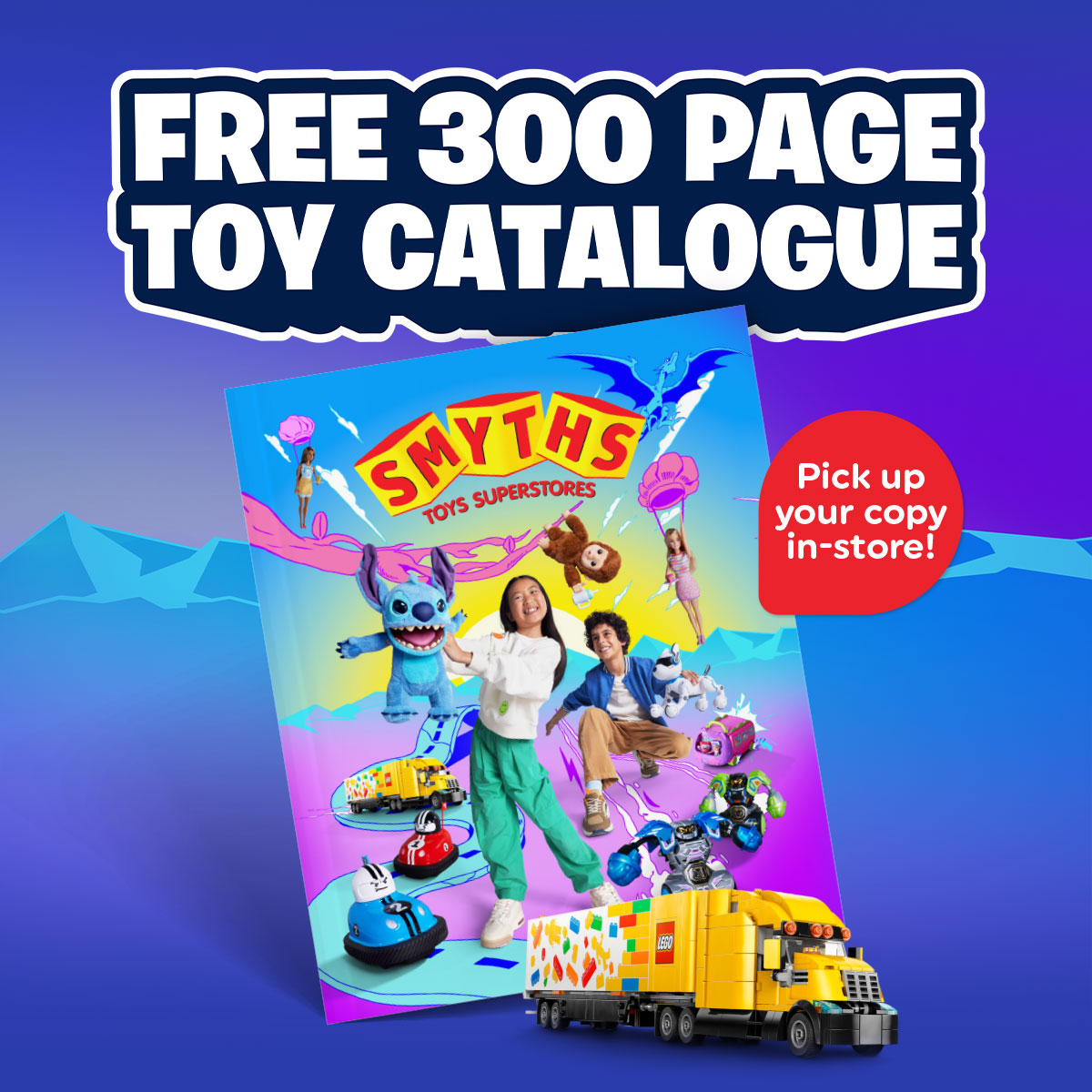
The Smyths Toys catalogue is a classic example. A free 300-page printed book, available in store, that children and parents browse together. No algorithm, no pop-up, no skip button. Just pages, pictures, and want lists.
Why Does the Brochure Effect Work?
A brochure creates a physical touchpoint that stays in the buyer’s world far longer than a digital message. It sits on a desk, gets left on a kitchen table, or gets passed to a colleague. Each time someone sees it, your brand gets another moment of attention for free.
There is also a pace difference. When someone picks up a catalogue, they slow down. They flick through the pages without the distractions that clutter a screen. As a result, they take in more information and form a stronger impression of what you offer.
Print also carries emotional weight. People associate it with care, quality, and commitment. So a well-made brochure does not just inform – it builds trust before a single conversation takes place.
How Can You Use the Brochure Effect In Sales?
Events and face-to-face meetings
Handing someone a printed item at an event gives them something to carry away. Unlike a business card, a brochure or booklet has substance. It keeps your brand in their bag, on their desk, and in their mind long after the event is over.
Welcome packs and onboarding
Including a printed guide in a new client welcome pack makes the onboarding feel more considered. It signals that you have thought about their experience and invested in it. That impression of care starts the relationship on the right note.
Follow-up after a pitch
Sending a printed document after a meeting sets you apart from every other supplier who sent a PDF. Because it arrives physically, it demands attention in a way a follow-up email simply does not. It also reinforces your message at the exact moment the buyer is making their decision.
Placed materials in buyer locations
Leaving brochures in locations where your buyers spend time – waiting rooms, showrooms, reception areas, or partner premises – puts your message in front of people when they are relaxed and receptive. That is a very different mindset to someone scrolling past an ad.
Direct mail campaigns
A well-designed printed piece sent directly to a prospect stands out in a way digital outreach rarely does. When everyone else sends emails, a physical mailer feels like an event. So response rates for direct mail have actually risen as digital volume has increased.
When the Brochure Effect Works Best
It works best in considered purchase markets, where buyers take time before making a decision. When someone is comparing options over days or weeks, a physical item that sits on their desk keeps you visible throughout that process. A digital message gets buried. A brochure stays put.
It is also highly effective when your product or service is visual. Interiors, food, fashion, property, and premium services all benefit from print because the quality of the photography and paper conveys value in a way a screen cannot replicate.
For high-value B2B sales in particular, a beautifully made brochure or printed case study signals that you are serious. It shows you invest in how you present yourself, which buyers read as evidence that you will invest in how you serve them too.
When the Brochure Effect Becomes Dangerous
The risk is producing print that looks cheap. A poorly designed or low-quality brochure signals the opposite of what you intend. Instead of building trust, it raises doubts. So if you cannot invest in quality print, it is better to wait until you can.
There is also a relevance risk. A brochure that talks about the wrong things for the wrong audience wastes both the print budget and the reader’s goodwill. Because the buyer took time to read it, a mismatch feels more disappointing than a misaligned email would.
Outdated materials are another danger. A brochure with old pricing, discontinued products, or a previous brand identity does more damage than having no brochure at all. So keep your print materials current or do not distribute them.
Common Brochure Effect Mistakes
Too much information
A common mistake is trying to fit everything in. However, a brochure that covers every product, every service, and every case study becomes overwhelming. The best printed materials are edited ruthlessly – they focus on one clear message and make the reader want to find out more.
No clear next step
A brochure without a call to action is a missed opportunity. Every printed piece should tell the reader what to do next – visit a page, call a number, book a meeting. Without that, you have their attention but nowhere to take it.
Treating it as a one-off
The Brochure Effect works best as part of a wider strategy. A single print run that sits in a box is not a strategy. So plan how you will distribute the materials, when you will refresh them, and how they connect to the rest of your sales process.
The Brochure Effect – An Example
Toy shop catalogues are one of the most powerful examples of the Brochure Effect in action. Smyths Toys offers a free 300-page printed catalogue that families pick up in store, browse at home, and return to again and again. No digital ad gets that kind of repeat attention. The catalogue becomes part of the buying process itself, because it is physical, personal, and keeps working long after it was picked up.
See Also