Practical Sales Training™ > How To Get Attention > The Fake Discontinue Effect
The Fake Discontinue Effect
What Is It
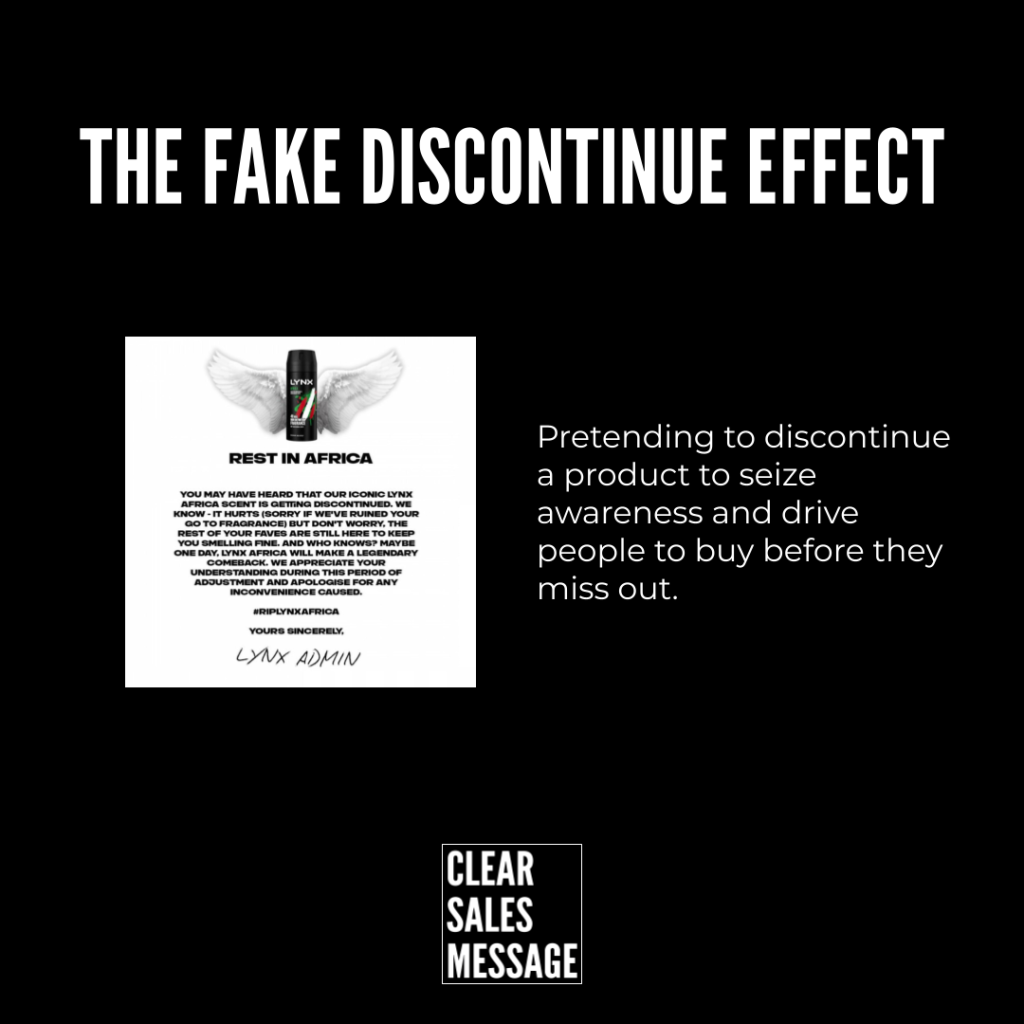
A brand announces the end of a product. Then, once the outcry peaks, it reverses the decision entirely.
So that’s the Fake Discontinue Effect. A company says a product will disappear, only to bring it back later. The goal was never really to remove it. Instead, it’s there to spark attention, urgency, and an emotional reaction that drives conversation and sales.
It plays on scarcity. People believe something is about to disappear. So they pay attention, talk about it, and act faster than they normally would. Brands use this to revive a stagnant product, or to reintroduce an old favourite with fanfare. It can also manufacture a viral moment without spending on traditional ads.
Why Does It Work
The process follows a clear pattern built to trigger maximum attention for minimal effort. First, the brand announces the discontinuation, often through a press release or a single social post.
So loyal customers and media outlets react immediately. Conversations build online. Articles get written. People rush to buy the product while they still can.
Once attention peaks, the brand reverses course. It cites customer feedback or public demand as the reason, so it looks responsive and customer-focused rather than calculated. So sales spike, media coverage follows for free, and the brand feels relevant again without ever launching a new campaign.
So this works because it activates urgency, emotional connection, and a real sense of loss. The product becomes more valuable in the customer’s eyes simply because it might not be around for long.
How Can You Use It
I’m honestly not sure I condone using this one. But here’s how it works, since you’ll want to recognise it either way.
1 – Choose The Right Product
Pick something with an existing customer base or genuine nostalgic appeal. This works best when people already care about the product, even if they’ve stopped buying it regularly.
2 – Plan The Messaging
Word the announcement so it sounds final but still leaves room to change course. Instead, you want urgency, not panic. Something like, due to changing priorities, we’re winding down production later this year, does the job well.
3 – Monitor The Response
Watch engagement on social media, press coverage, and sales trends closely. If the response is strong, you now have the data to justify reversing the decision.
4 – Bring It Back With A Story
Once attention peaks, frame the return as a decision made because of customer feedback. That makes your audience feel heard, and it deepens their connection to the brand. A simple we heard you, it’s staying, usually lands the point perfectly.
When It Works Best
This works best on a product with real emotional attachment already built in. So a nostalgic favourite or a cult classic gives the stunt something genuine to work with.
When It Becomes Dangerous
It becomes dangerous when customers realise you staged the whole thing. So repeated use of the same trick burns trust fast, since nobody likes feeling played twice.
Common Mistakes
Using It On The Wrong Product
Using it on a product nobody actually cares about. Without real attachment, the announcement just gets ignored instead of mourned.
Overplaying The Panic
Overplaying the panic in your messaging. Too much drama tips into disbelief, so keep the tone sincere rather than theatrical.
Repeating The Stunt Too Often
Repeating the exact same stunt too often. Customers start recognising the pattern, and once they do, the urgency completely disappears.
The Fake Discontinue Effect – An Example
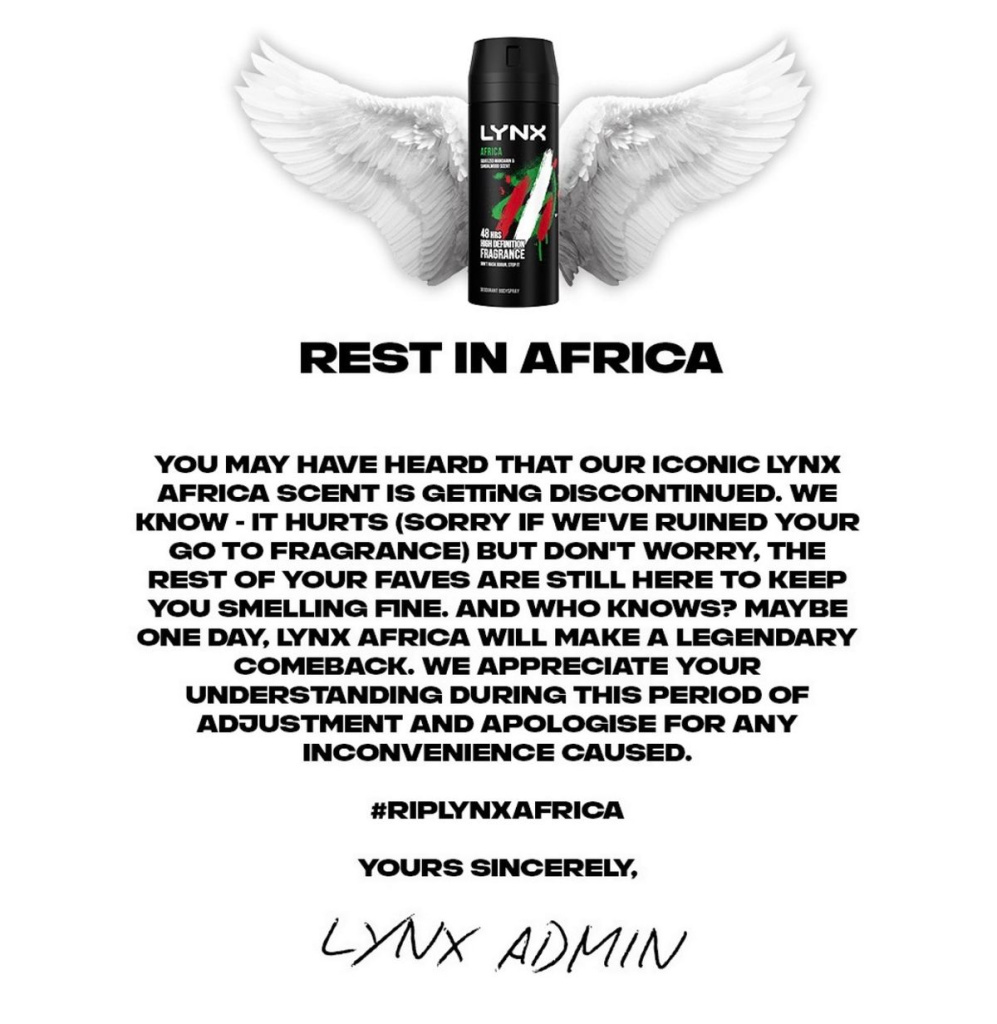
Lynx Africa’s “Discontinuation”
In the UK, Lynx announced it would discontinue Lynx Africa. The brand later revealed the real change was just a new can design.
The reaction was immediate. Loyal fans mourned the scent online, some even stockpiled cans, and media outlets picked up the story within days. Once the noise peaked, Lynx confirmed the fragrance was staying, just with a fresh look. The stunt earned free coverage and renewed relevance for a product that hadn’t changed much in years.
See also: