
Practical Sales Training™ > How To Get Attention > The Intriga Effect
The Intriga Effect
Most messages get ignored. Not because the product is bad, but because the words feel familiar. The brain skips what it has seen before. So if your message looks like every other message, it gets treated like every other message.
The Intriga Effect fixes that. It works by placing a word your audience does not expect right into the heart of your message. Not the product name. A different word. One that stops the brain mid-scroll and makes people ask: what does that mean?
That question is all you need. Because curiosity pulls people closer, and closer is where sales happen.
What Is The Intriga Effect?
The Intriga Effect is when you weave a foreign or unexpected word into your message, but not the product name, sparking instant curiosity and drawing your audience closer.
The word acts as a hook. It does not need instant understanding. In fact, the slight confusion is the point. The brain notices the gap between what it expected and what it got. And it wants to close that gap. So the reader leans in.
However, the Intriga Effect is not about being obscure for the sake of it. The unexpected word needs to feel connected to the product or the experience. It should tease meaning, not block it. Think of it as a door left slightly open rather than a door slammed shut.
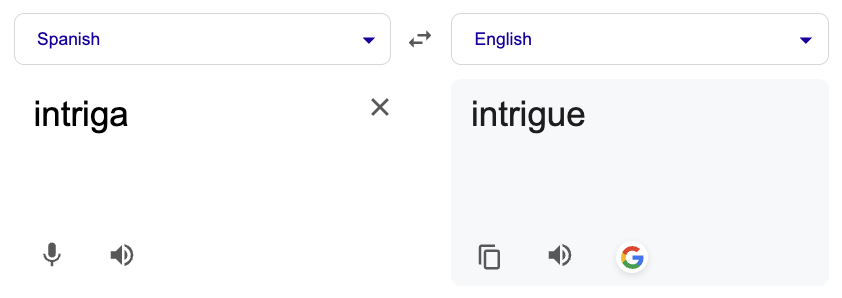
Why Does The Intriga Effect Work?
It works because of a well-known principle called the curiosity gap. When we sense there is something we do not know, we feel a pull to find out. That gap between what we know and what we want to know creates tension. And tension drives action.
A foreign word creates that gap instantly. The reader sees something unfamiliar and their brain flags it as unresolved. So they keep reading to resolve it. As a result, your message gets more attention than a plain, familiar headline would ever earn.
There is also a novelty effect at play. The brain gives more attention to things it has not seen before. A new word, especially one from another language, feels fresh. It signals that something different is on offer. And in a crowded market, different is exactly what cuts through.
Similarly, a foreign word carries a subtle cultural signal. It can suggest heritage, sophistication, or a specific lifestyle. Rekorderlig used “Fruktig” to make their cider feel authentically Swedish. The word said: this is not just another drink. It comes from somewhere.
How Can You Use The Intriga Effect In Sales?
Pick a word that feels connected
The unexpected word should link to the product, the origin, or the feeling you want to create. A Swedish cider uses a Swedish word. A Japanese skincare brand might use a Japanese concept. The connection does not need spelling out. But it should be there.
Use it in headlines and subject lines
The Intriga Effect works hardest at the point where people decide whether to read on. So put the unexpected word in your headline, email subject line, or opening slide. That is where attention is won or lost.
Let the context do the explaining
You do not need to define the word straight away. Let the rest of the message reveal the meaning. This keeps curiosity alive for longer and rewards the reader for staying with you. However, do not leave it unresolved entirely. The payoff matters.
Apply it to sales conversations too
The Intriga Effect is not just for marketing copy. Drop an unexpected word or phrase into a sales call opening and watch the prospect engage. For example, starting a pitch with a single unusual word creates immediate curiosity about where you are going.
Test different words against each other
Not every unexpected word lands the same way. So test a few options. The right word feels intriguing but not alienating. It makes people curious, not confused. A small A/B test on subject lines or ad headlines will show you quickly which word does the job.
When The Intriga Effect Works Best
It works best when your audience already has some awareness of your brand or category. A completely unknown brand using a foreign word risks losing people before they care enough to find out more. But if there is already a base of trust or familiarity, the unexpected word adds intrigue on top of something solid.
It also works well in crowded categories where most messaging looks the same. FMCG, drinks, beauty, and lifestyle brands all benefit because the visual and verbal landscape is so saturated. One unusual word in a sea of familiar ones gets noticed fast.
Similarly, it works well when the word carries genuine cultural weight. A French word for a French perfume. A Japanese term for a Japanese technique. The foreign word earns its place because it tells a true story about where the product comes from.
When The Intriga Effect Becomes Dangerous
It becomes a problem when the word feels random. If there is no clear link between the unexpected word and the product, the audience feels tricked rather than intrigued. Confusion without resolution is just frustrating. And a frustrated buyer does not convert.
It also struggles when the audience is time-poor or highly analytical. B2B buyers with a short window of attention may skip past an unfamiliar word rather than lean in. In those cases, clarity tends to outperform curiosity. So read your audience before you apply the technique.
But the biggest danger is overuse. Once a word stops feeling unexpected, it stops creating intrigue. If every brand in a category starts using foreign words, the effect wears off fast. Therefore, pick words that feel genuinely fresh in your market, not ones that have already done the rounds.
Common Intriga Effect Mistakes
Choosing a word that is too hard to say
If the word trips people up, it creates the wrong kind of friction. The goal is curiosity, not embarrassment. So pick words that feel foreign but still roll off the tongue. “Fruktig” works because it sounds close to what it means.
Leaving the meaning unresolved
Curiosity without a payoff leaves people feeling let down. Always resolve the word somewhere in the message. The reveal is part of the experience. Without it, the Intriga Effect just looks like a mistake.
Using it as a substitute for a strong message
The Intriga Effect gets people to look. But it does not close the deal on its own. So the rest of your message still needs to work hard. Because an intriguing opener followed by a weak offer just delays the disappointment.
Picking a word with the wrong feel
Some foreign words carry baggage. A word that sounds harsh, clinical, or cold will set the wrong tone even if the meaning is neutral. So say the word out loud. If it feels right, it probably is.
The Intriga Effect – An Example
Rekorderlig ran a campaign with the headline “Find Your Fruktig.” Fruktig is Swedish for fruity. But most people seeing the ad did not know that. So the word did exactly what it needed to do. It made people stop, wonder, and look closer.
The campaign did not explain the word in the headline. Instead, it let the imagery, the product, and the context fill in the gap. By the time you understood it, you were already engaged. That is the Intriga Effect working at its best.
You do not need a Swedish word or a global ad budget to apply this. A local food brand could use a regional dialect word. A tech firm could borrow a term from another field. The principle is the same: one unexpected word, placed well, earns attention that a familiar phrase never would.

See Also: