Practical Sales Training™ > How People Work > The Labour Illusion
The Labour Illusion
Picture two websites. Both find you the same cheap flight. One shows the answer straight away. The other takes a few seconds and shows you each airline it checks along the way.
Plenty of people trust the second one more. Odd, right? But it makes sense once you see how we judge value. We rate a result partly by the work we think went into it.
What Is the Labour Illusion?
The labour illusion is where you make buyers see or feel that work is happening. It works with instant results too. That’s because perceived effort raises perceived value.
The idea comes from research by Ryan Buell and Michael Norton at Harvard Business School. People valued services that showed their work. So the same result felt better when buyers could watch it come together.
In other words, buyers judge the effort as well as the outcome. And if they can’t see the effort, they assume there wasn’t much.
Why Does the Labour Illusion Work?
We use effort as a shortcut for quality. If something looks hard to do, we assume it must be good. That’s why people often pay more for things they believe took real skill and time.
Seeing the work also builds trust. An instant answer can feel like a guess. However, when buyers watch the steps, they believe the result is thorough.
And visible work makes waiting easier. A blank screen feels like nothing is happening. But a screen showing progress feels like someone’s working for you. So the wait stops feeling wasted.
How Can You Use the Labour Illusion?
Show the Steps Behind the Result
Tell buyers what you did to get there. “We checked 40 suppliers” means far more than “Here’s the best price.” So list the checks, the tests or the hours that went in.
Put Your Process Before Your Price
Most proposals jump straight to the price. Instead, show the research, the audit or the thinking first. That way, buyers reach the number already knowing what it pays for.
Use Progress Screens and Updates
If your software works fast, show what it’s doing. A short “checking 12 sources” message beats a blank screen. Similarly, if you sell a service, send quick updates while you work. Each one reminds the client that someone’s on it.
Turn Hidden Hours Into Plain Words
Buyers can’t see your hours. So translate them. “This report pulls together two weeks of interviews” makes the value easy to picture.
When Does the Labour Illusion Work Best?
The labour illusion works best when buyers can’t judge quality on their own. Search results, advice, reports and software all fit. In each case, the work stays hidden unless you show it.
It also helps when your result looks simple. A one page plan might take weeks to get right. But if buyers only see the page, they’ll price it like a page.
Finally, it suits moments of waiting. If buyers have to wait anyway, fill that time with signs of work.
When Does the Labour Illusion Become Dangerous?
The labour illusion gets risky when the effort is fake. A slow loading bar on an instant result can feel like a trick once people spot it. Then they doubt everything else. So only show work that actually happened.
It also backfires when the wait gets too long. Showing work helps up to a point. Past that, buyers lose patience and leave.
And watch out for making things look hard when buyers want easy. Some people pay for speed. For them, a show of effort just feels like friction.
What Are the Common Mistakes With the Labour Illusion?
Hiding All the Work
Many businesses think buyers only care about the result. So they hide the process. Then buyers wonder why it costs so much.
Showing Work That Doesn’t Matter
Buyers care about effort that makes their result better. So show the checks that improve it. Leave out the admin.
Faking the Effort
Fake progress bars and made up step counts break trust fast. And once trust goes, it rarely comes back. So show real work only.
Making Them Wait Too Long
A few seconds of visible work feels thorough. But a few minutes feels broken. So keep any wait short.
The Labour Illusion – An Example
Flight-comparison websites showing you which airlines they’re searching.
As results load, you see the site check airlines and fares appear. This makes the search effort visible, giving you a sense that the service is working hard to find your deal.
Buell and Norton’s research tested this exact approach. People could value identical flight results more when they saw the search work happening. That held even with a longer wait.
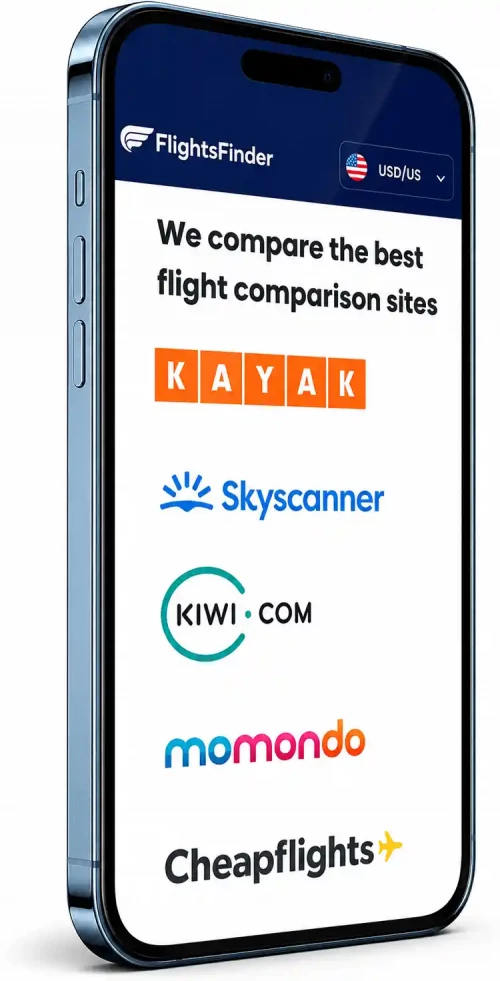
Some sites take it a step further. FlightsFinder, for example, says it compares the best flight comparison sites. So you picture it searching several big names at once for you. That’s a lot of work you didn’t have to do. As a result, the deal it finds feels more worth trusting.
See Also