Practical Sales Training™ > How To Convert > The Merchandise Effect

The Merchandise Effect
Nobody really needs a £20 hoodie with a logo on it. So why do people buy one anyway?
Because they’re not buying the hoodie. They’re buying a way to say “I’m part of this,” without ever having to say it out loud. That’s The Merchandise Effect.
This page covers what The Merchandise Effect is, why it deepens loyalty so effectively, and how to use it without it feeling like a cash grab.
What Is The Merchandise Effect?
The Merchandise Effect is when a business earns extra profit by selling branded merchandise alongside its main offer.
The merchandise itself is rarely the real value. What people are actually buying is affiliation, a way to show that they belong to something, believe in something, or identify with what the brand represents.
So when it’s done well, merchandise feels optional, expressive, and earned, rather than pushed onto the buyer.
Why Does The Merchandise Effect Work?
It works because it sits right at the meeting point of identity and commitment.
Once someone has already bought into a brand, wearing or using its items becomes a way to show that decision to the outside world. So the product shifts from being something they purchased to something they associate with who they are, or at least what they support.
Psychologically, this deepens loyalty further. Buying merchandise reinforces the original decision and builds emotional attachment, without needing another big commitment from the buyer. The spend feels lighter too, because it’s framed as a small add-on rather than a core purchase.
From the business side, merchandise often carries healthy margins and creates revenue that isn’t tied to delivering more of the core service. So it becomes a powerful side income stream, when you use it thoughtfully.
How Can You Use The Merchandise Effect In Sales?
Make It A Badge, Not An Advert
Merchandise works best when it reflects something your audience already believes or wants to be associated with. It should feel like a badge, not a walking billboard. When people are proud to wear or use it in public, the value goes well beyond the sale itself.
Earn It Before You Sell It
Merchandise should never feel like a distraction from the main offer. If your core product isn’t strong yet, selling merch feels premature. But once trust is already established, merchandise becomes a natural extension, not a cash grab.
Reward Alignment, Not Volume
The most effective merchandise doesn’t chase big sales numbers. It rewards the people who already feel aligned with you. So when someone chooses to buy it, they’re not just spending money. They’re reinforcing a relationship, and relationships are exactly what make brands last.
When The Merchandise Effect Works Best
It works best once a brand already has genuine fans, people who’d talk about it positively even without a discount or incentive. Merchandise then becomes a way for those fans to express something they already feel.
It also works well for brands with a strong, recognisable identity, since a logo or design needs to mean something before anyone wants to wear it in public.
When The Merchandise Effect Becomes Dangerous
It backfires when a business pushes merchandise before earning any real loyalty. Selling branded items off the back of a weak or unproven offer reads as opportunistic, not aspirational.
It can also dilute a brand if there’s too much of it, or if the quality doesn’t match the brand’s own standards. A flimsy, poorly made product undoes the very identity it’s supposed to represent.
Common Merchandise Effect Mistakes
Selling Merch Before Earning Loyalty
Branded products with no real fanbase behind them just look like extra products for sale. Build genuine affection for the brand first.
Treating It As A Major Revenue Target
Chasing volume over alignment turns merchandise into a sales push rather than an expression of belonging. Let it stay a smaller, secondary stream.
Cutting Corners On Quality
A cheap, poorly made item undermines the exact identity people are paying to associate with. Match the product quality to the brand’s own standards.
The Merchandise Effect – An Example
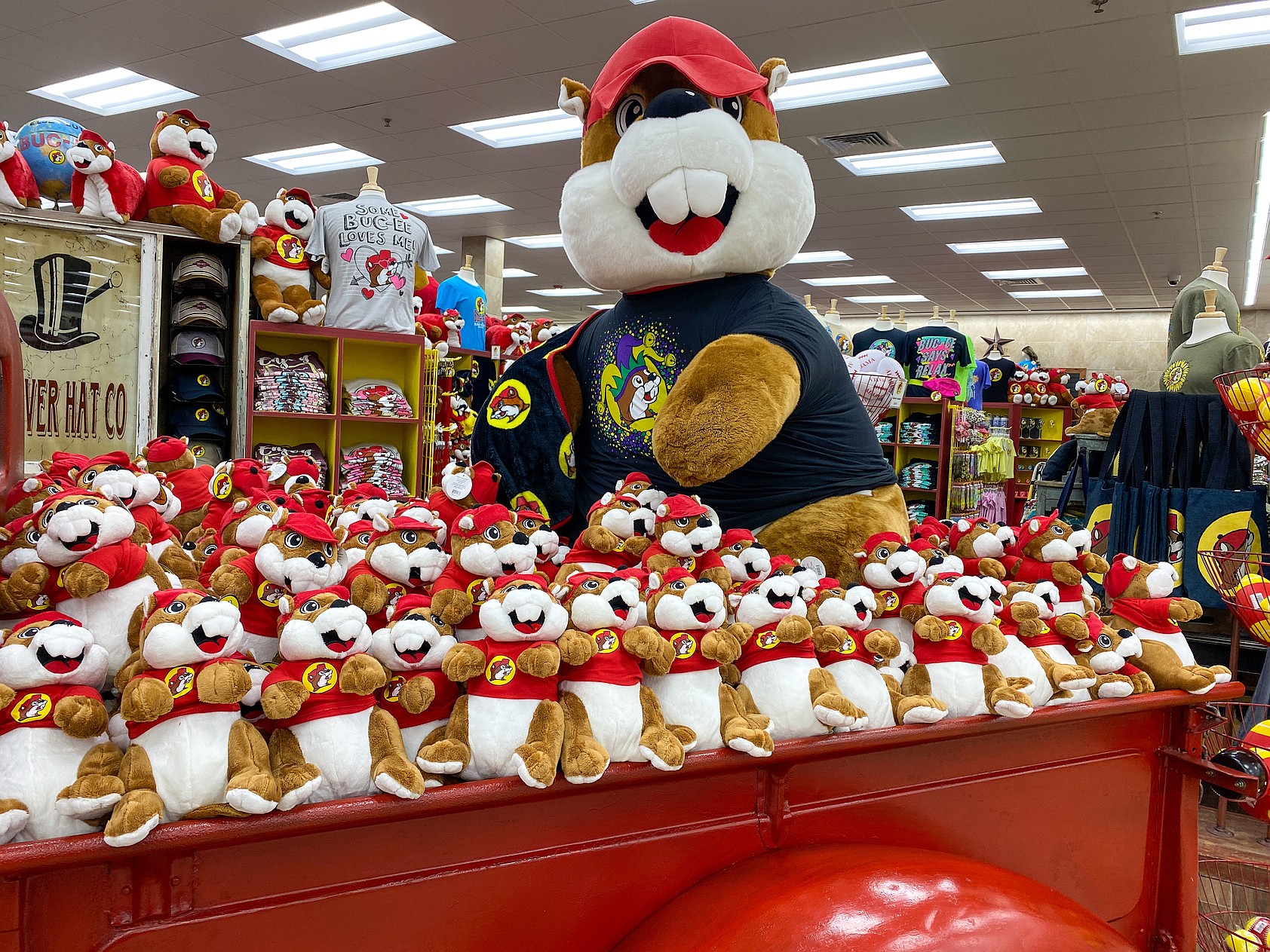
Buc-ee’s, the world record holding chain of service stations in the USA, has become so well known that it sells its own branded merchandise, hats, t-shirts, and more, just built around the Buc-ee’s name and beaver mascot.
Nobody needs a Buc-ee’s t-shirt to fill up their car or buy snacks. People buy it because stopping at Buc-ee’s has become its own small cultural moment, and wearing the merch is a way to say “I’ve been there” long after the trip ends.
That’s The Merchandise Effect working exactly as intended. The product isn’t the destination. It’s a souvenir of belonging to something people already enjoy talking about.
See also