Practical Sales Training™ > How To Convert > The Subsidised Sell

The Subsidised Sell
“Free solar panels.” Two words that aren’t quite true, but feel true enough to get someone to enquire. That’s the power of anchoring a decision to cost instead of value.
That’s The Subsidised Sell. The buyer isn’t weighing up what something is really worth. They’re weighing up what it costs right now, which is a much easier question to answer.
This page covers what The Subsidised Sell is, why it lowers resistance so effectively, and how to use it without training buyers to ignore value altogether.
What Is The Subsidised Sell?
The Subsidised Sell is when a buying decision gets anchored to a reduced or supported cost, rather than the full underlying value of the solution.
The buyer isn’t evaluating what it’s really worth. They’re evaluating what it costs right now. So that shift makes the decision feel lighter, safer, and easier to justify.
Why Does The Subsidised Sell Work?
Buyers don’t usually struggle with value. They struggle with commitment. The Subsidised Sell works by removing the feeling of full exposure.
Instead of asking someone to mentally cross the entire value gap, you shorten the jump. The subsidy might come from a contribution, a grant, a rebate, a credit, a “covered” portion, or limited time support.
Psychologically, the buyer is no longer deciding whether the whole solution is worth the total value. Instead, they’re deciding whether the subsidised portion alone is worth it. That feels like a smaller, safer choice.
How Can You Use The Subsidised Sell In Sales?
Lower The Decision Weight
By highlighting the supported cost, you reduce the emotional weight of the decision. So buyers feel less exposed, even before they’ve looked closely at the full picture.
Reassure Spend Anxiety
Subsidy signals help here too. They tell the buyer they’re not carrying the full risk alone, which softens the fear that often blocks a decision from moving forward.
Increase Trial And Adoption
People are far more willing to start when the cost feels partially handled. And once they’ve started, momentum tends to carry the relationship forward on its own.
Preserve Perceived Value
You’re not discounting the solution itself. Instead, you’re changing what the decision gets anchored to. But the danger here is clear. If you lead with subsidy too hard, you train buyers to ignore value altogether.
Used correctly, The Subsidised Sell doesn’t cheapen the offer. It simply makes the first step easier to take.
When The Subsidised Sell Works Best
It works best when a genuine third party subsidy exists, like a government grant, a rebate scheme, or manufacturer support, rather than something dressed up to look subsidised when it isn’t.
It also works especially well for big-ticket purchases that would otherwise feel intimidating, since shrinking the visible cost can turn a hesitant enquiry into a real conversation.
When The Subsidised Sell Becomes Dangerous
It backfires the moment buyers feel misled about the real cost once the subsidy ends or doesn’t apply to them personally. A “free” claim that turns out to have conditions attached damages trust fast.
It also becomes risky if you lean on the subsidy so heavily that buyers stop caring what the product actually does, since a decision made purely on cost rarely builds lasting loyalty.
Common Subsidised Sell Mistakes
Overstating “Free”
Calling something free when conditions or exceptions apply invites disappointment later. Be precise about what the subsidy actually covers.
Leading With Subsidy And Nothing Else
A pitch built entirely around the discount, with no mention of real value, attracts buyers who’ll leave the moment a cheaper offer appears. Anchor to cost, but still explain the value underneath it.
Hiding What Happens When The Subsidy Ends
If the real cost reappears later and the buyer wasn’t warned, trust collapses fast. Be upfront about what changes once the subsidised period or scheme finishes.
The Subsidised Sell – An Example
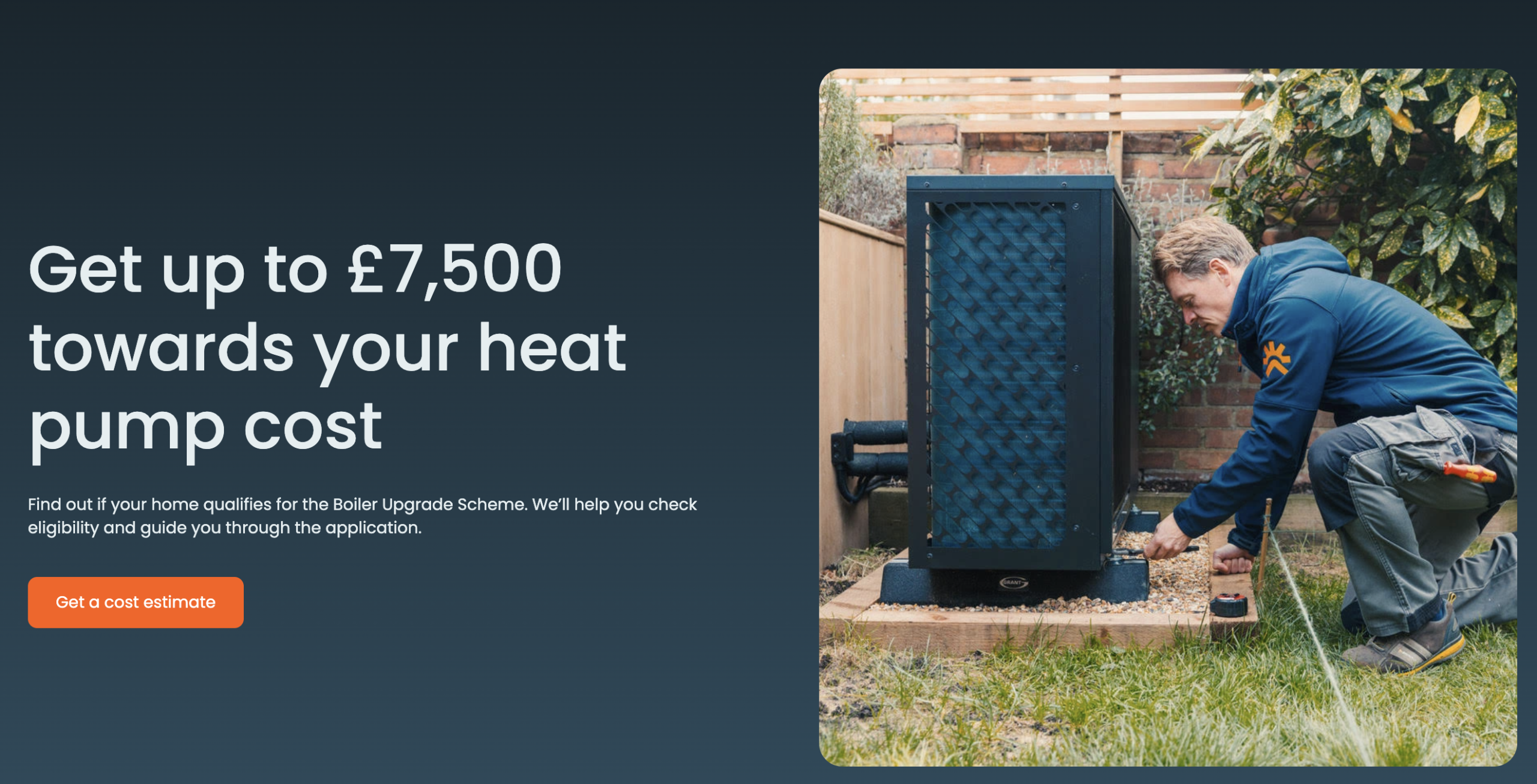
Solar panels and heat pumps in the UK are a prime example of this. Government grants and subsidies have pushed adoption hard, often marketing the systems as “free” or very low cost upfront.
A homeowner who’d never consider spending several thousand pounds outright will often enquire the moment the headline cost drops to near zero. The underlying value of the system hasn’t changed at all. Only the anchor has.
That’s The Subsidised Sell working exactly as intended. The grant didn’t make the technology better. It just made the first step small enough to take.
See also