

Practical Sales Training™ > Selling Communication Basics > The Vernacular
The Vernacular
What Is It
The Vernacular is about defining what your offering “is” in the simplest terms. This has nothing to do with branding. It’s about buyers understanding your offering.
For example, my company is Clear Sales Message. But I’d be classed as a “sales consultant.” That’s what I “am.”
So the vernacular is your one word answer. It’s what you say when someone asks what you do.
Why Does It Work
It works because a clear answer to “what are you” makes everything else easier. Whether it’s a known term, like sales consultant, or one you invent, like messaging specialist.
Having the vernacular defined lets you explain your offering simply. Often it can be the visual or behavioural traits of the offering itself, like Yellow Cab.
The vernacular helps a buyer understand what you are and what you offer, in the most basic terms. If you have an abstract name or clever branding, it can miss the basic thing your buyer needs to see.
So clever branding sometimes gets in its own way. A buyer wants the plain answer before they want the personality.
How Can You Use It
Define an existing or invented term
If you don’t already have your vernacular defined, think about an existing term for what you do. Or a term for what you are.
This could be a visual description. It could be a set of identifiable traits, known as a schema. Or it could come from a competitor who’s already defined theirs.
Aim for your brand name to become the vernacular itself
You could also make your brand name itself the vernacular. That’s what we’ve done with Clear Sales Message™.
Do that well, and you might achieve eponymy. That’s where your brand name becomes the thing itself, think “hoover” instead of vacuum cleaner.
Keep the explanation simple, whatever you choose
Whatever you choose, keep the explanation simple. It should be easy to digest, covering what you are and what you do.
When It Works Best
This works best when your actual brand name or industry title is abstract or unclear on its own. A plain vernacular fills that gap fast.
It also works best when you use it consistently everywhere. Your bio, your website, your introductions. So it becomes the automatic answer people give about you.
When It Becomes Dangerous
It backfires if your chosen vernacular feels forced or doesn’t match reality. A title that oversells what you actually do gets noticed fast.
It also becomes risky if you keep switching your vernacular. Buyers need consistency to build a clear picture of what you are over time.
Relying purely on clever branding, with no plain vernacular underneath, causes its own problem. Buyers are left guessing what you actually do.
Common Mistakes
Choosing a title that doesn’t match reality
A chosen title that doesn’t match what you actually deliver misleads buyers from the first conversation. Choose a vernacular you can genuinely stand behind.
Switching your vernacular too often
Switching your vernacular often confuses buyers who thought they already understood you. Pick one and stick with it long enough to build recognition.
Leaning only on clever branding
Relying only on a clever brand name, without a plain vernacular to explain it, leaves people guessing. Give them both.
The Vernacular – An Example
Chubby Cables
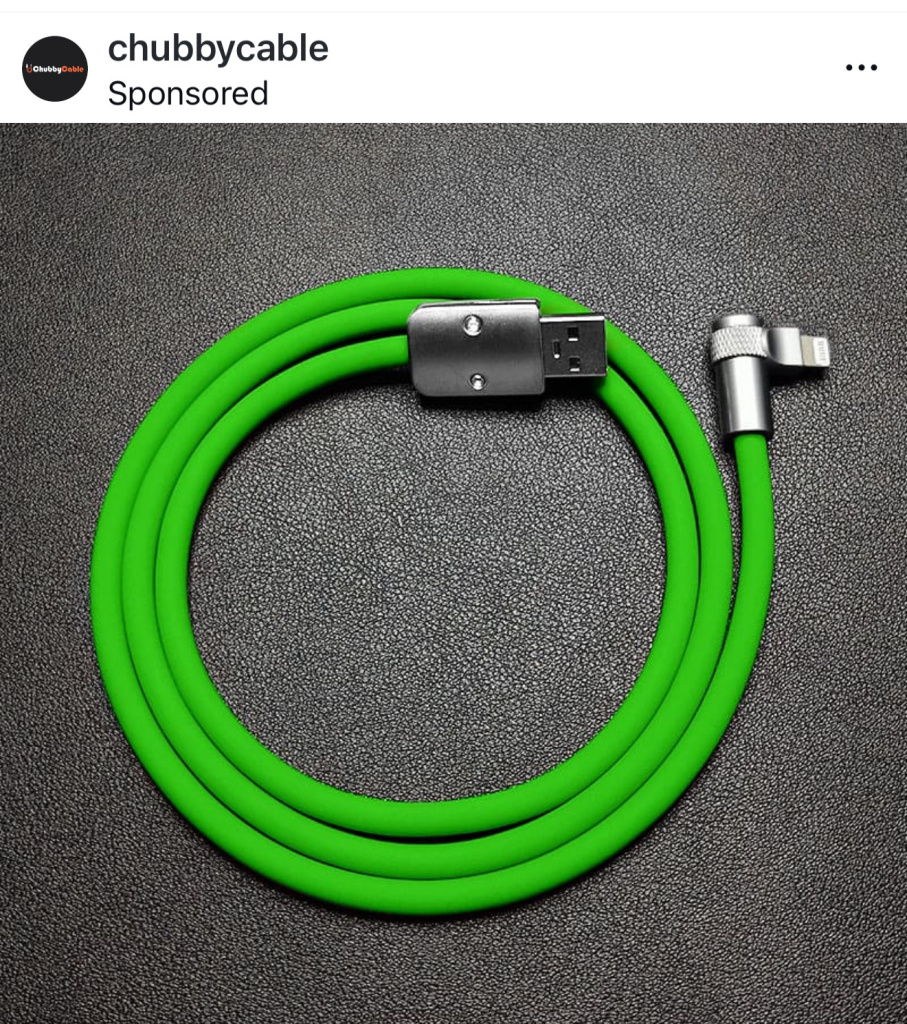
The company “Chubby Cables” is named after the description of the products they offer.
The name itself does the explaining. Nobody has to ask what the product looks like, since the vernacular is built right into the brand.
See also