
Practical Sales Training™ > How To Convert > Top 10 Effect

Top 10 Effect
Too many choices slows people down. So narrow it to ten, and watch decisions speed up.
A big catalogue can overwhelm even an interested buyer. So a curated shortlist gives them somewhere obvious to start.
What Is It
The top 10 effect means curating your offering into a simple, ranked list. So instead of showing everything, you show the best of it.
This works well with large ranges. Since more choice often means more hesitation, a shortlist removes that hesitation fast.
Why Does It Work
It works because it makes buying easier. So instead of comparing everything themselves, buyers let your list do the comparing.
Buyers want guidance, and you’re the expert. Since you already know what sells, a ranked list puts that knowledge to work.
Showing your best ten removes friction between browsing and buying. Since less thinking usually means more buying.
How Can You Use It
There are two solid ways to build a list like this.
Top 10 Products Or Services
Rank your actual products or services. So build lists around bestselling, quickest or easiest, whichever fits your offer.
This works because it uses real data. Since the ranking reflects genuine popularity, buyers trust it more than a guess.
Top 10 Advice Or Guidance
Rank advice or guidance instead of products. So create a “top 10 ways to” list that doubles as a lead magnet.
Link your offering naturally within that advice. Since the list attracts buyers first, then guides them toward what you sell.
When It Works Best
This works best with wide catalogues, where too much choice slows buyers down. So the bigger the range, the more a shortlist actually helps.
It also suits situations where you genuinely have sales data to back the list. Since a real ranking always beats a guessed one.
When It Becomes Dangerous
It becomes dangerous if the ranking isn’t real. So buyers who sense a fabricated list stop trusting anything else you tell them.
It also fails if you never update it. Since a stale top 10 quickly starts to look dishonest rather than helpful.
Common Mistakes
Inventing The Ranking
Some businesses invent a ranking instead of using real numbers. So the list looks helpful but has nothing behind it.
Never Updating The List
Some publish a list once and never touch it again. So outdated items sit there, quietly undermining trust.
Using One List For Every Buyer
Some use one list for every type of buyer. So a shortlist meant for beginners gets shown to experts, and it misses completely.
Top 10 Effect – An Example
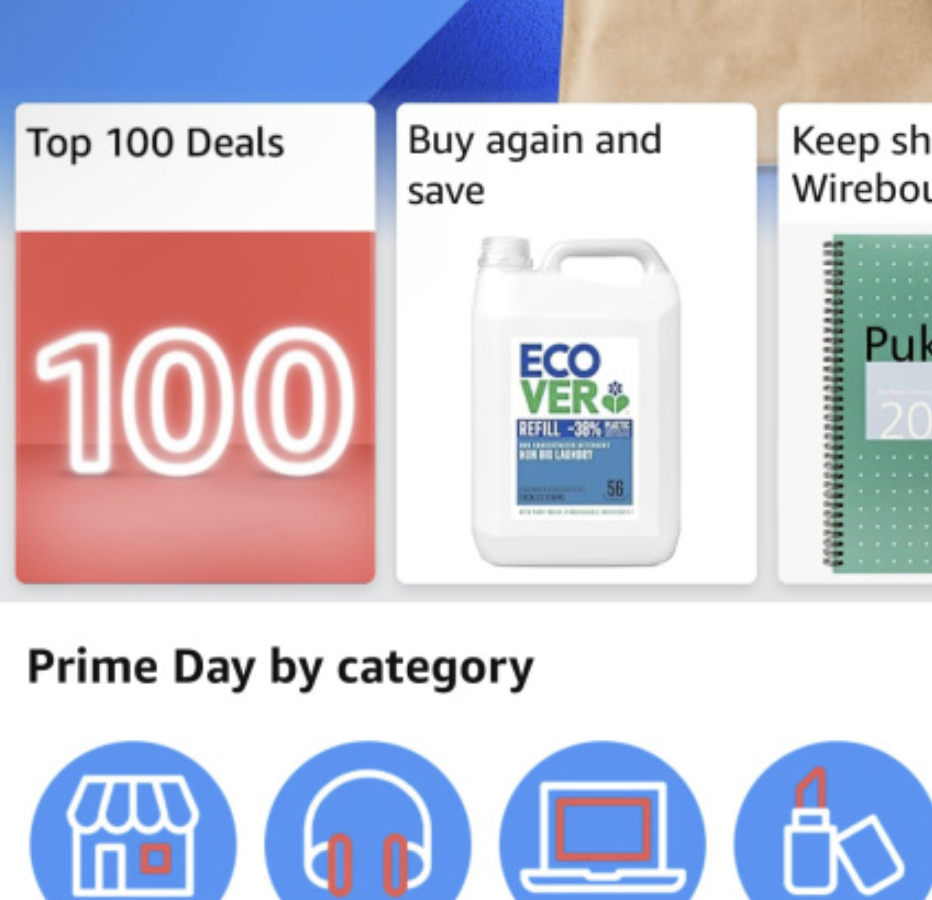
Amazon’s Top 100
Amazon use this to great effect. So much so, they even run a top 100 list, given the sheer size of their selection.
See also