Practical Sales Training™ > How People Work > Pareidolia

Pareidolia
Look at a power socket. Or an old car bonnet. Chances are you’ll spot a face staring back, even though there isn’t one there. That’s pareidolia, and it’s happening in your buyer’s brain right now.
This isn’t some obscure psychology term. It’s a shortcut wired deep into how people see the world. And once you understand it, you can use it to make your message stick.
What Is Pareidolia?
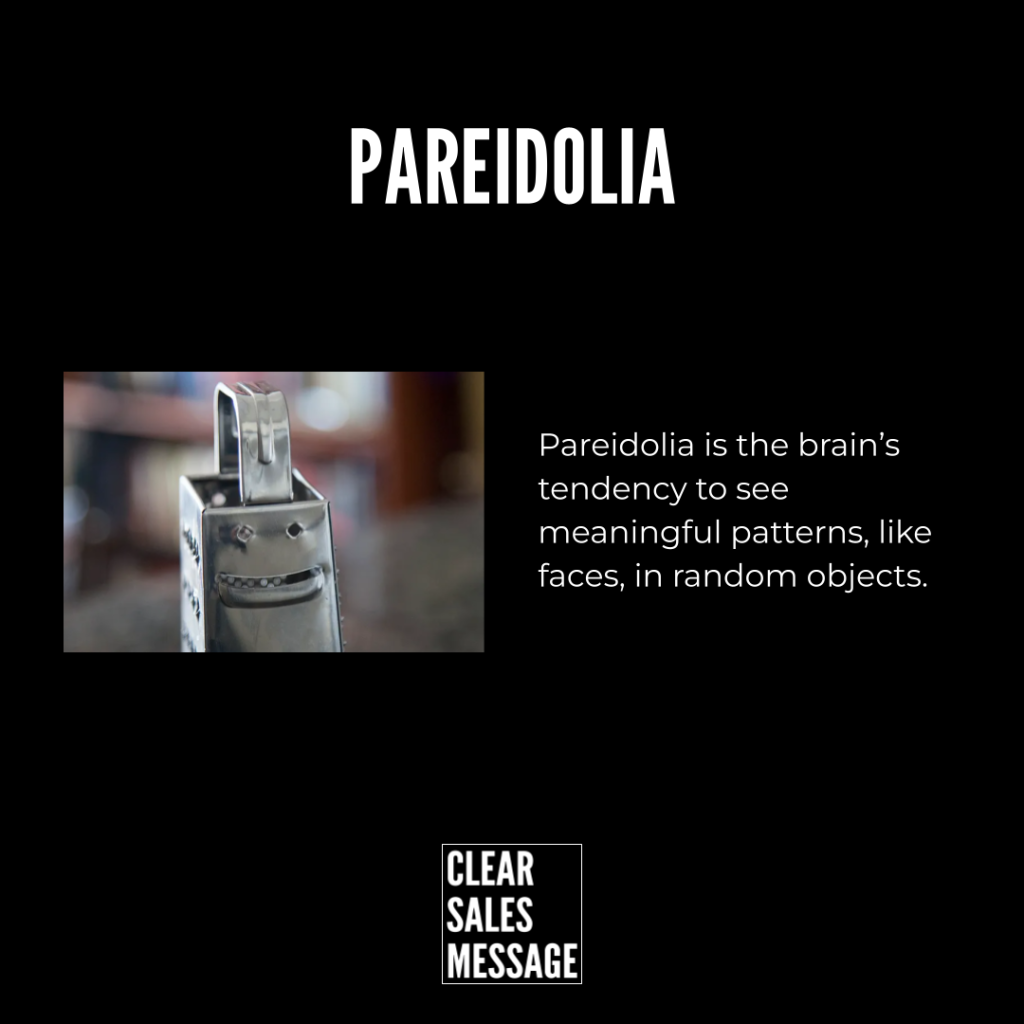
Pareidolia is when your brain sees a pattern, usually a face, even though nothing is really there. You spot a face in a car grille. You see a dog shape in the clouds. Your brain fills in the gaps.
This isn’t imagination running wild. It’s built in. Early humans needed to spot faces and threats fast, since missing a threat could cost them their life. So the brain developed a habit of finding familiar shapes in random things, and that habit never switched off.
Today it still runs quietly in the background. That’s why toast can look like a face, or bark can look like an old man’s expression. It’s completely normal. And for anyone selling something, it’s a tool worth understanding.
Why Does It Work?
Your brain is built to look for patterns. It’s constantly scanning the world for shapes and meaning, because meaning helps you predict what happens next. One part of your brain, called the fusiform face area, is tuned to spot faces fast. Sometimes it goes too far, though, and sees a face where none exists.
This links to something called apophenia. That’s the brain finding connections between things that aren’t actually connected. You might hear a hidden word in white noise, or think a song played backwards says something eerie. Same trick, just with sound instead of sight.
Because this response happens instantly, it skips straight past logical thinking. A face grabs attention before your buyer even decides to look. That’s exactly why it matters in sales.
How Can You Use Pareidolia?
Add Warmth To Your Design
Add a subtle facial feature to your product, packaging or logo. A friendly face makes people trust you faster, and that trust can turn into more clicks and more repeat business.
Keep it subtle though. Two dots and a curved line will do it. Overdo it and it looks like a costume, not a brand.
Create Content People Want To Share
People love spotting a face where there shouldn’t be one. Post a coffee spill that looks like a dog, or a cloud shaped like a heart. Content like this gets noticed, gets shared, and sometimes goes properly viral, because it’s the kind of thing people can’t help pointing out to a friend.
Build A Faster Emotional Connection
When your marketing includes something that feels familiar, like a face, people remember it more easily. They also feel more connected to it, and that connection often turns into a sale, since people buy from brands they feel something for.
Use It To Spark New Ideas
Pareidolia isn’t only useful for buyers. It helps you think too. When you notice shapes or faces in unusual places, your brain naturally starts looking for new angles. That can lead somewhere a straightforward brainstorm never would.
When It Works Best
Pareidolia works best when it’s subtle and unexpected. A logo with a hint of a smiling face, spotted only once someone looks twice, tends to stick in memory far longer than an obvious cartoon face slapped on packaging.
It also works well in social content, since people love finding a pattern themselves rather than being told what to see. Let your audience make the discovery, and they’ll feel smarter and more connected to your brand because of it.
When It Becomes Dangerous
Overdo pareidolia and it stops working. Force a face onto every product shot and buyers start to feel manipulated rather than delighted. Once they notice the trick, they stop trusting the rest of your message too.
It can also backfire if the “face” your design accidentally creates looks unsettling rather than friendly. A poorly placed shadow or badly positioned logo element can create something closer to a horror mask than a smile. That’s a fast way to lose a buyer’s attention for the wrong reasons.
Common Mistakes
Making It Too Obvious
A cartoon face slapped onto a product doesn’t use pareidolia, it just uses a cartoon. The magic happens when your buyer spots the pattern themselves. So keep the hint subtle enough that it feels like a small discovery.
Ignoring How It Looks From Every Angle
A design that looks friendly head on might look strange from another angle, or on a different screen size. Check your design across formats, because an accidental grimace instead of a smile can undo the trust you were trying to build.
Using It Without A Clear Purpose
Some brands add a face just because it’s trendy, without any link to what they’re actually selling. That disconnect confuses buyers rather than reassuring them. So make sure the pattern you create actually supports your message.
Pareidolia – An Example
A Familiar Shape In An Unexpected Place
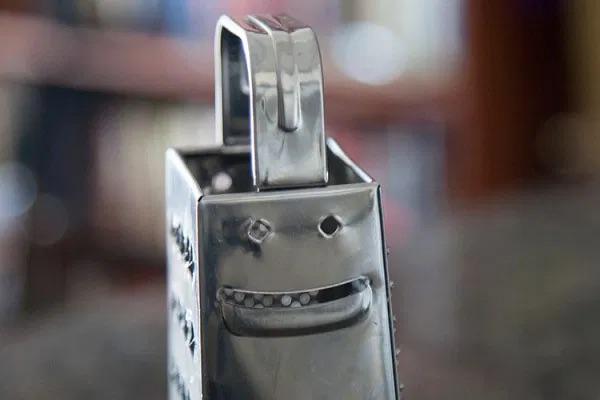
The image below is a strong example of pareidolia in action. It’s the kind of pattern people spot instantly, share without thinking twice, and remember far longer than a standard product photo. That’s the real power of this effect, since it works with the brain’s instincts instead of against them.
See Also
- The Mascot Effect
- The Personification Effect
- 50+ ways that people work & make decisions
- 100+ ways to differentiate