Practical Sales Training™ > How To Convert > Accelerated Usage

Accelerated Usage
A tyre company once gave away a free travel guide. It had nothing to do with tyres directly, and everything to do with getting people to drive more.
That’s accelerated usage. You don’t wait for customers to come back when they’re ready. You give them a reason to use what they’ve already got, sooner.
What Is Accelerated Usage?
Accelerated usage is a growth strategy where you encourage customers to use your product or service more frequently or more fully. That leads to increased demand, faster repurchase cycles, and higher customer lifetime value.
Rather than waiting for customers to come back when they’re ready, you create experiences, content or systems that prompt them to use what they’ve already bought. This isn’t about being pushy. It’s about being smart. It’s creating value that drives usage, and usage that drives growth.
Why Does It Work?
The principle is simple. The more people use what you sell, the sooner they’ll need to buy again. Businesses apply this by solving for friction, helping customers get started and stay engaged from day one.
They also reward repeat use, building habits through progress tracking or visible achievements. They guide the next step with content, training or reminders that deepen usage over time. And sometimes they create complementary content entirely, building value that indirectly drives more use of the core product.
How Can You Use Accelerated Usage?
Education
Create tutorials or onboarding to help customers get the most from what they’ve already bought. A CRM platform offering daily tips to explore more features is a simple, effective example of this.
Content Marketing
Build guides, challenges or checklists that encourage regular usage. A fitness brand offering a 30-day plan for their equipment turns a one-off purchase into a daily habit.
Product Design
Add streaks, unlocks or achievements to keep people engaged with your tool. An app that rewards consecutive logins or usage milestones turns usage itself into something rewarding.
Automation
Use reminders or smart notifications to nudge usage at the right moment. A meal delivery company sending recipes and prep tips encourages daily cooking, rather than letting ingredients sit unused.
Create Your Own “Michelin Guide”
Ask what would genuinely encourage your customers to use your product more often, then build that, even if it isn’t directly about your product at all. Sometimes the most effective driver of usage sits just outside the product itself.
When It Works Best
Accelerated usage works best for products or services with a genuine repeat-use cycle, like consumables, subscriptions, or anything with an ongoing relationship rather than a single transaction.
It’s especially effective early in the customer relationship, since building a usage habit in the first few weeks tends to determine whether that habit sticks for the long term.
When It Becomes Dangerous
This becomes a problem if it tips into manufacturing artificial need. Pushing usage that genuinely doesn’t benefit the customer, purely to drive repurchase, damages trust once they notice the pattern.
It also risks feeling manipulative if the “encouragement” turns into constant pressure. A customer nudged gently toward genuine value feels supported. One bombarded with reminders feels marketed at.
Common Mistakes
Encouraging Usage With No Real Value Behind It
Pushing a customer to use something more often, purely to drive a resale, backfires once they notice there’s no genuine benefit to them. Anchor every nudge in real value first.
Overloading Customers With Reminders
A notification every day quickly feels like nagging rather than support. Space reminders out enough that each one still feels welcome, not routine.
Ignoring The Indirect Route
Some businesses only try to drive usage directly through the product, missing the opportunity to build something complementary instead, like Michelin’s guide, that indirectly increases demand.
Accelerated Usage – An Example
The Michelin Guide
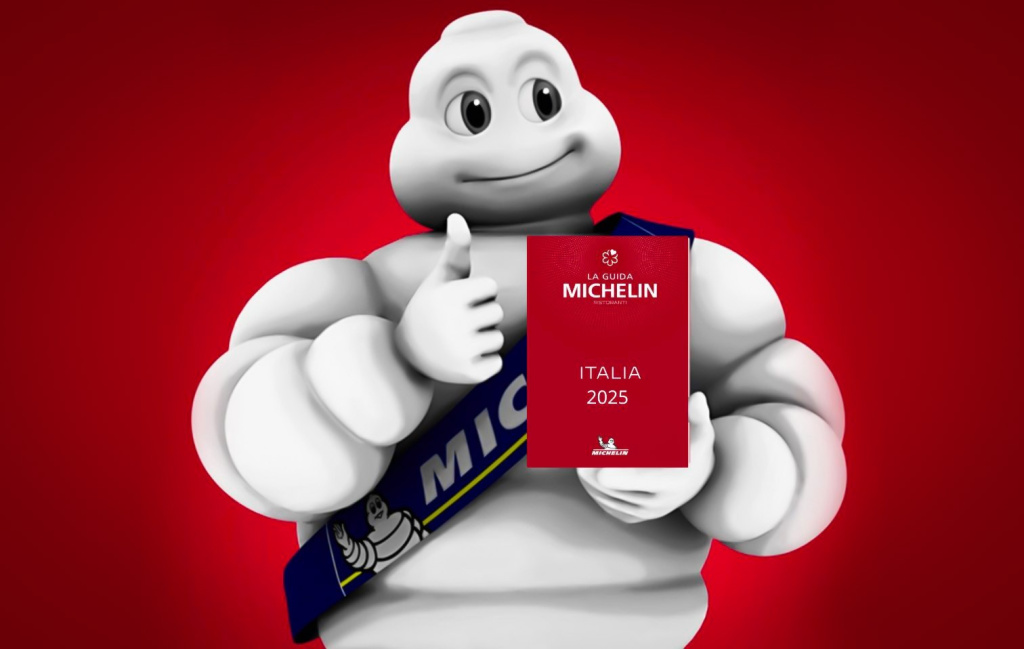
The Michelin Guide was created in 1900 by the Michelin tyre company in France as a free travel guide to encourage more driving, and in turn, more tyre sales. It included maps, mechanics, fuel stations and restaurants to make road travel easier at a time when fewer than 3,000 cars existed in the whole country.
Over time, its restaurant reviews became so trusted that the guide evolved into a prestigious standard for fine dining in its own right. By promoting travel and dining out, Michelin subtly increased demand for cars and tyres, turning what started as a marketing idea into a global brand asset that now outshines the tyres it was built to sell.
See Also