Practical Sales Training™ > Selling Communication Basics > Character Confusion

Character Confusion
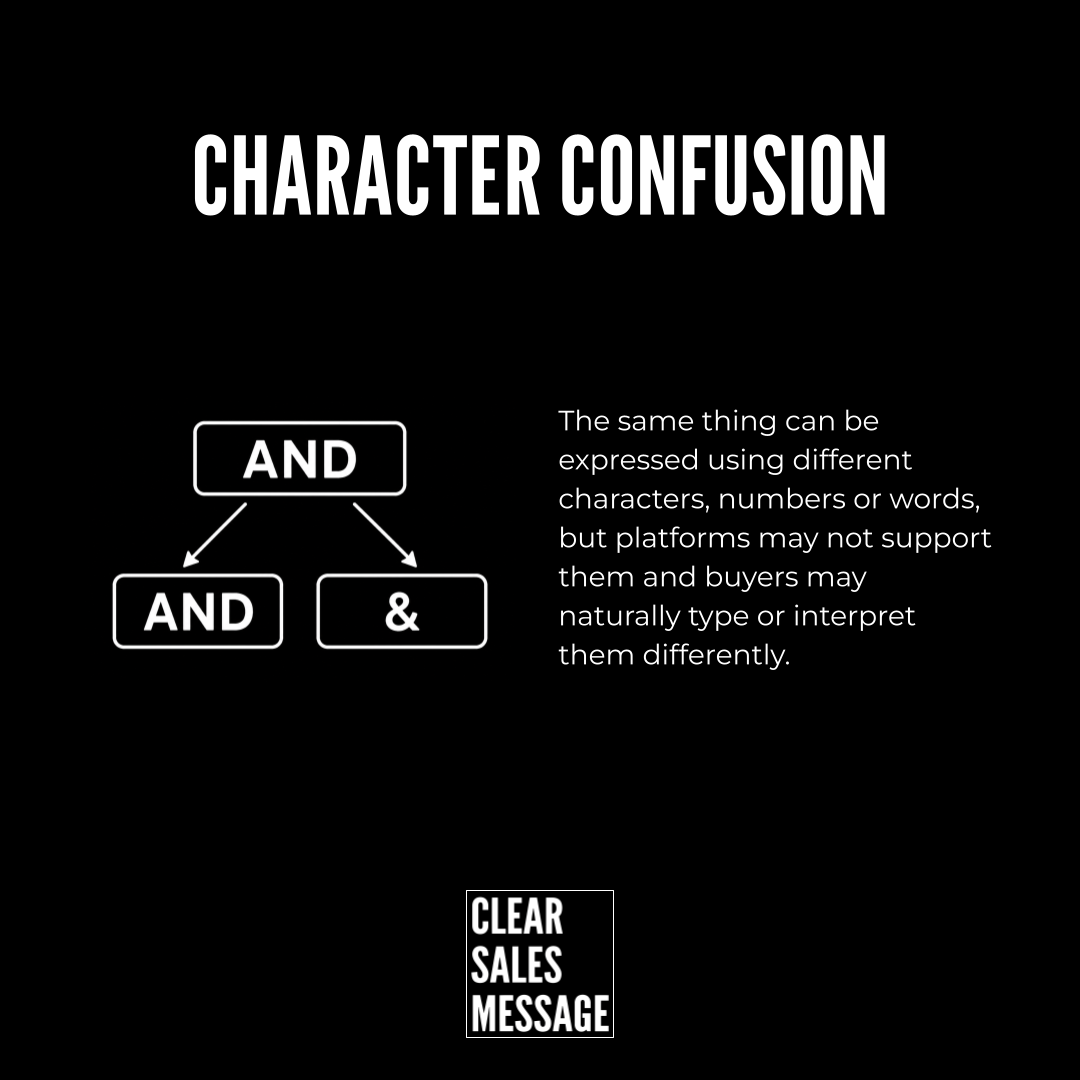
Character confusion happens when your business name can be written more than one way. “And” can become “&”. A number can become a word, and a hyphen can vanish. Every version still says the same thing to a person. But your website, your search results, and your paperwork don’t always agree.
Picture a business called “Smith and Sons”. Some buyers will type “Smith & Sons” instead. Others will still type “Smith and Sons” in full. A few might drop the “and” and just search “Smith Sons”. Each version is a different string of text to a computer, even though it’s the same business to a person.
So this matters more than spelling. It changes how buyers find you, remember you, and type your name into a search bar or an invoice.
Why Does It Work
Your brain fills gaps automatically. “&” sounds like “and” when you read it. So does “and” itself. Both versions feel identical to you.
Yet a computer doesn’t work that way. Search engines, forms, and domain registries treat them as separate strings. So does a competitor. They might register the version you missed.
But buyers don’t check which version is correct. They type whatever feels natural in that moment. A quick typer on a phone might default to “&” because it’s faster. Someone reading a sign might spell it out in full. Still, neither person is wrong. But only one version might lead to you.
How Can You Use It
Register every version of your name
Buy the domain for every spelling of your name you can think of. Get the “&” version and the “and” version. Also grab the version with no space. So point every one of them at your main site. This costs very little and closes a gap a competitor would happily use.
Pick one version and repeat it everywhere
Choose a single version for your logo, signage, invoices, and email signature. This trains buyers to type the right one over time. Still keep the alternatives as backup.
Say your name out loud to a stranger
Ask a stranger to write your name after hearing it once. Whatever they write still matters. It’s what a chunk of your market will type too. This test reveals confusion faster than any internal review.
When It Works Best
Fixing character confusion still pays off most when you’re spending money to get found. Paid search, radio ads, and word of mouth all rely on memory. Someone has to type your name right. If two versions exist, you may register only one. The rest of that spend leaks away.
It also matters most when you’re growing into new markets or channels. So more people hear your name for the first time. Each one guesses how to spell it.
When It Becomes Dangerous
The real risk shows up when a competitor buys the version you missed. They can redirect your traffic, copy your offer, or confuse buyers enough that some give up. Others simply walk away.
If you never register the alternate spelling of your name, someone else can. You still paid to build the awareness. Yet they get to cash in on the confusion.
This gets worse at scale. International buyers, too, use different keyboards and habits. Ampersands and numerals get typed differently in every market.
Common Mistakes
Assuming buyers will work it out
Most buyers won’t stop to think it through. If the version they type doesn’t lead anywhere, they don’t try again. Instead, they move to the next result.
Changing your symbol without redirecting the old one
If you rebrand from “&” to “and”, or the other way round, don’t just update your new site. Redirect the old domain too. Otherwise, past brand recognition gets wasted.
Using different versions across your own materials
Business cards, signage, and your website should all use the same spelling too. If your team writes it three different ways, buyers get confused. That’s the opposite of what you want.
Character Confusion – An Example
Real brands, real workarounds
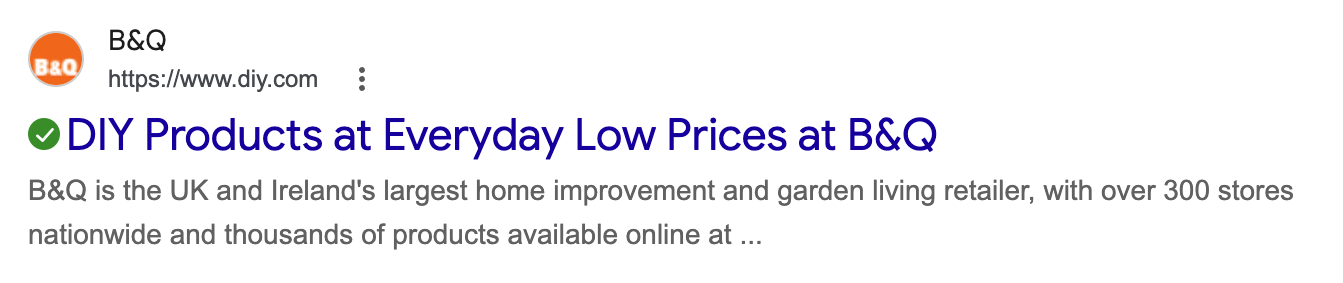
B&Q use a vernacular domain name, DIY.com, to avoid the issue entirely.
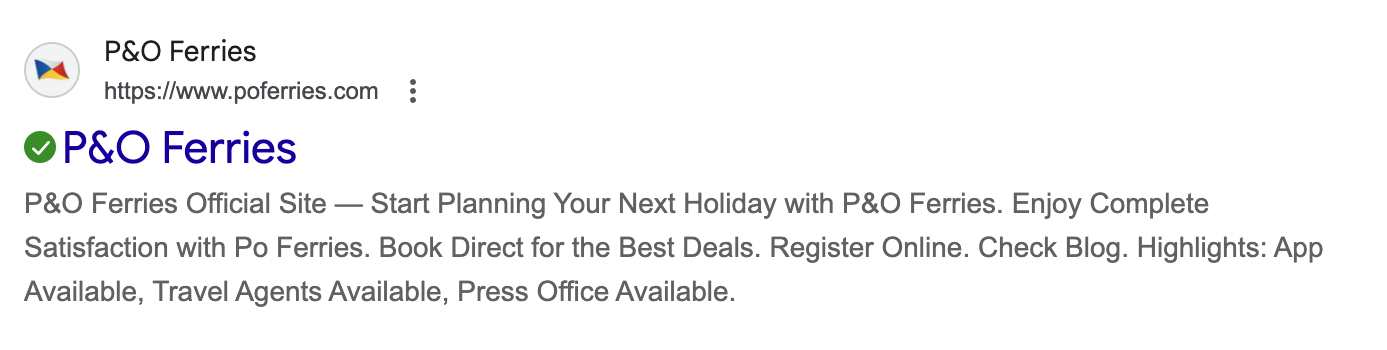
P&O Ferries drop the “and” entirely and use POFERRIES.com as their address.
For my What To Say To Sell™ product, I run two domains together. whattosaytosell.com is the main one. what2say2sell.com catches typing errors as a protective domain.

See also