Communication Preference

YouTube thumbnailYouTube icon


Practical Sales Training™ > How People Work > Communication Preference



Solid black image likely used as a spacer or divider on the page


Communication Preference

TLDR: Communication preference means reaching your buyer through the channel they actually trust, so your message gets a reply.


What Is It

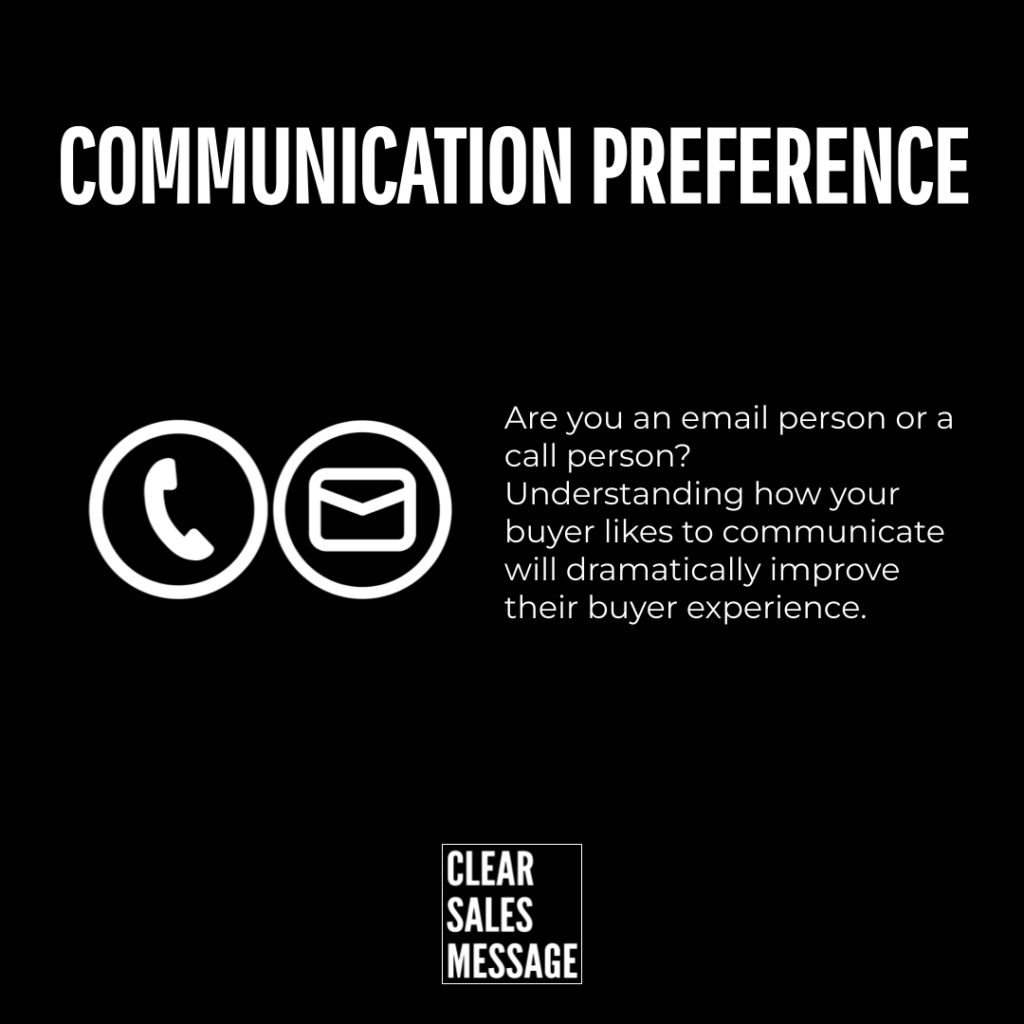
Some people prefer a call. Others want a text or an email instead. A communication preference is simply the channel your buyer trusts most. Using it properly boosts your odds of getting a reply.

This sounds obvious once you say it out loud. Yet most sales teams still default to whatever channel feels easiest for them. Few stop to check what actually suits the buyer on the other end.

Get the channel right, and the message barely needs to work hard at all. Miss it, though, and even a great message can sit unread for days, simply because it arrived the wrong way.

Why Does It Work

It works because it makes your buyer feel valued and respected. You’re meeting them on their terms, instead of asking them to adapt to yours.

It also works for a much simpler reason. If I’m an email person and you try calling me, I probably won’t pick up. That’s not rudeness, it’s just how I process things, and most buyers are exactly the same.

Forcing someone into your preferred channel rarely changes their habits. It just adds friction. It’s far easier to communicate the way your buyer already prefers than to fight against it.

How Can You Use It

Ask Early

Find out a buyer’s communication preference at the earliest possible moment. This could sit inside an online form. Or it could be as simple as asking, “are you an email or phone person?”

The informal version usually works better. It slips naturally into conversation, and it helps the buyer feel normal rather than awkward for avoiding calls. They’re simply part of an identifiable group, not an outlier being difficult.

Follow Through Properly

Asking the question only helps if you actually act on the answer. Once you know someone’s preference, stick to it every single time. Doing this only when convenient defeats the whole purpose.

Any slip here undoes the entire exercise. Someone who asked for email, then gets a call anyway, trusts you less than if you’d never asked.

When It Works Best

It works best right at the start of a relationship, before habits have formed on either side. New leads, first enquiries, and early follow ups are the perfect moment to ask and lock in the right channel.

It also matters most when speed counts. A time sensitive quote or a fast moving deal lives or dies on whether your message actually gets seen. The right channel decides that far more than the wording ever does.

When It Becomes Dangerous

It becomes dangerous when you ask the question and then quietly ignore the answer. Reverting to your own default channel, even once, tells the buyer their preference was never really respected.

It also backfires if you treat the answer as fixed forever. People’s habits shift, so a preference from a year ago might not hold today. Assuming otherwise can quietly damage a relationship you thought was solid.

Common Mistakes

Never Asking At All

Plenty of salespeople never ask the question, and just assume everyone shares their own preferred channel. That single assumption quietly costs replies every single week without anyone noticing why.

Asking Once And Forgetting

A preference noted once in a CRM field is useless if nobody checks it before reaching out. Build the habit of checking first, instead of collecting the answer and moving on.

Defaulting Back Under Pressure

When a deal feels urgent, it’s tempting to pick up the phone regardless of what someone asked for. That short term urgency almost always costs more trust than the extra hour of waiting would have.

Communication Preference – An Example

One Question, Fewer Missed Replies

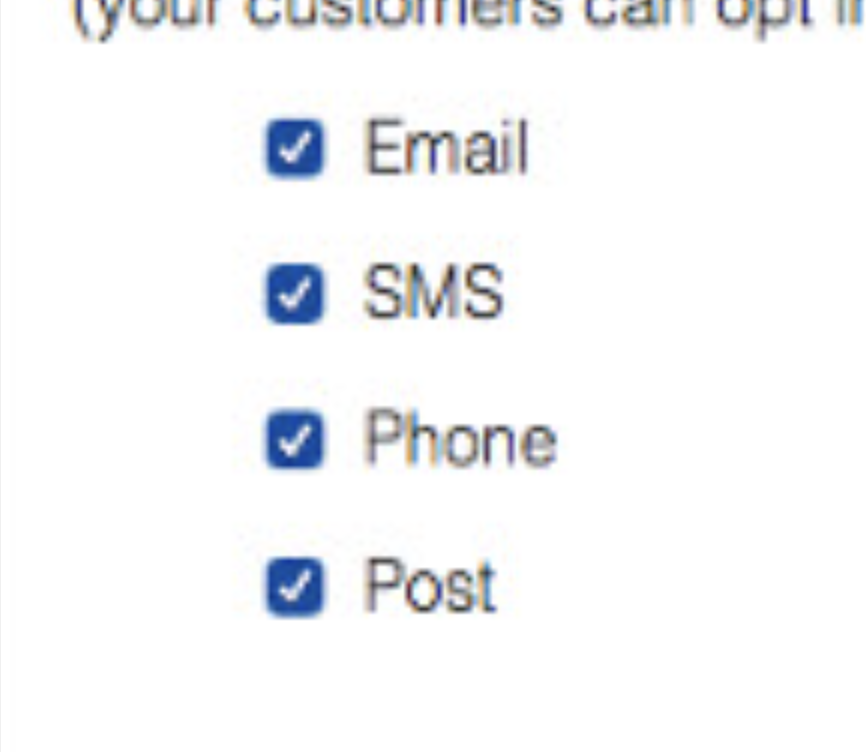
Picture a simple enquiry form with one extra question added near the end. It asks whether someone prefers a call, a text, or an email. That single line changes how every future message gets sent.

Nothing else about the sales process needs to change. The offer stays the same, and the timing stays the same. Only the channel shifts, and that alone is often enough to turn a missed message into a reply.


Vertical list of selected contact methods with blue checkmarks email sms phone post


See also


Communication preference phone and email icons with text advising to contact buyers by call or email includes clear sales message logo at bottom on a black background


author avatar
James Newell Creator: Clear Sales Message™
James Newell specialises in sales messaging, buyer psychology and commercial communication that helps businesses increase conversion.


Advertising banner offering free daily sales tips with envelope icon and dailysellingtips Com logo