Practical Sales Training™ > Wordplay > Diacritics

What is it?
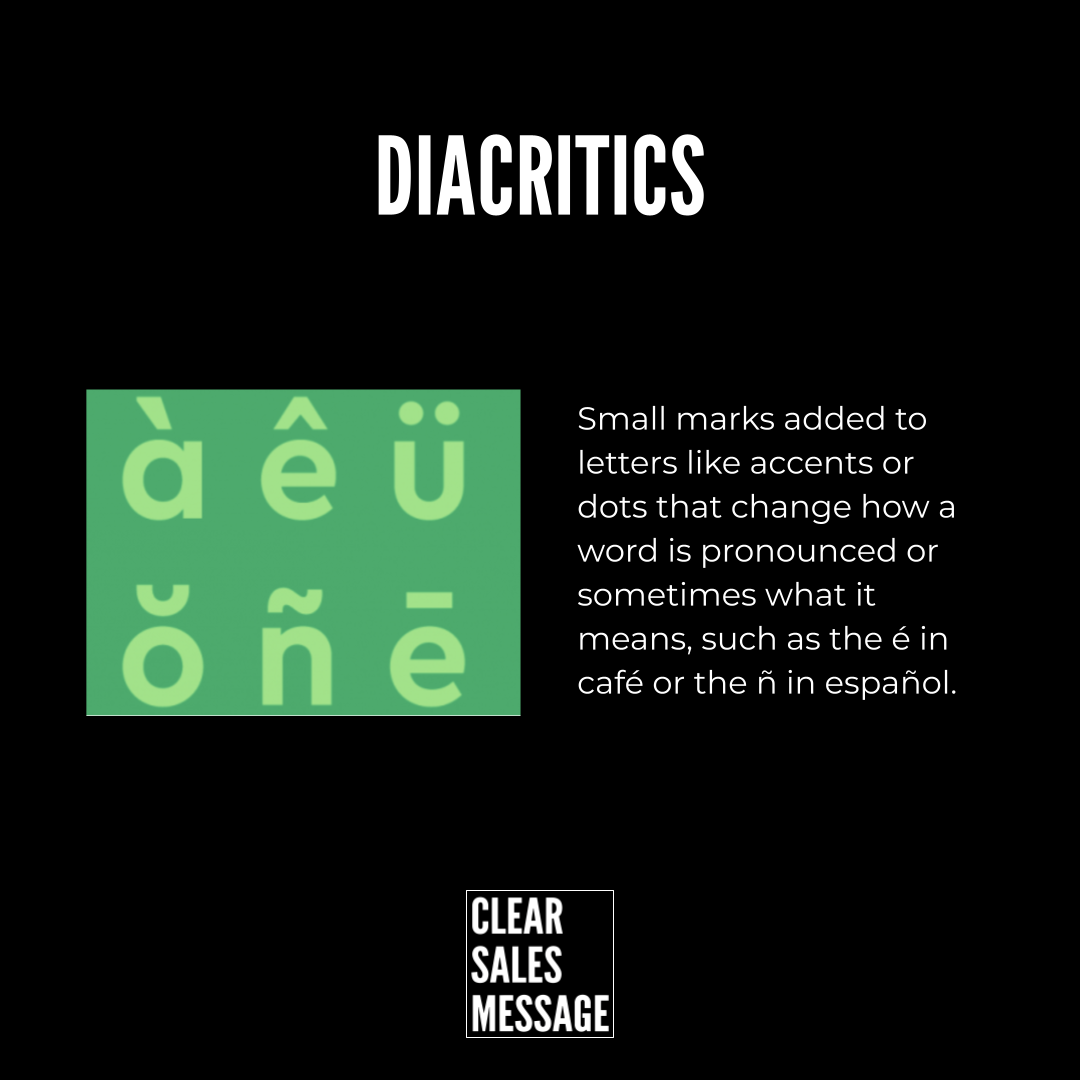
Diacritics are the small marks added to letters, like accents, dots, or tildes, that change how a word is pronounced or sometimes what it means.
For example, the é in café or the ñ in español.
They are normal and useful in language.
But in sales, marketing, URLs, and search, they often create confusion.
Most people don’t type them.
Most systems ignore them.
And most buyers don’t notice them until something breaks.
Diacritics are a clarity risk hiding in plain sight.
How does it work?
Diacritics affect how words are:
-
Pronounced
-
Typed
-
Searched for
-
Recognised by systems
Here’s the problem.
Humans simplify.
Keyboards simplify.
Search engines simplify.
So when your brand, product, URL, or keyword includes a diacritic, three things happen:
-
People omit it when typing
-
Systems quietly strip it out or misinterpret it
-
Consistency breaks across platforms
That creates small points of friction.
And small friction kills momentum.
A buyer who hesitates, retypes, or wonders if they’ve spelled something wrong is a buyer who is already slowing down.
How can you use it?
You use diacritics intentionally, or you remove them entirely.
Here’s how to apply this in practice.
Brand names and product names
Avoid diacritics unless they are absolutely essential.
If your audience has to think about how to type your name, it is working against you.
URLs and domains
Never rely on diacritics.
They are stripped, rewritten, or ignored, which breaks clarity and trust.
Sales pages and messaging
If you reference words with diacritics, consider whether your audience actually uses them.
Clarity beats linguistic correctness every time.
SEO and search intent
People search the simple version.
Optimise for how buyers type, not how language purists write.
If the goal is understanding, speed, and conversion, remove anything that makes a buyer pause.
Diacritics belong in language.
Sales belongs in clarity.
Example
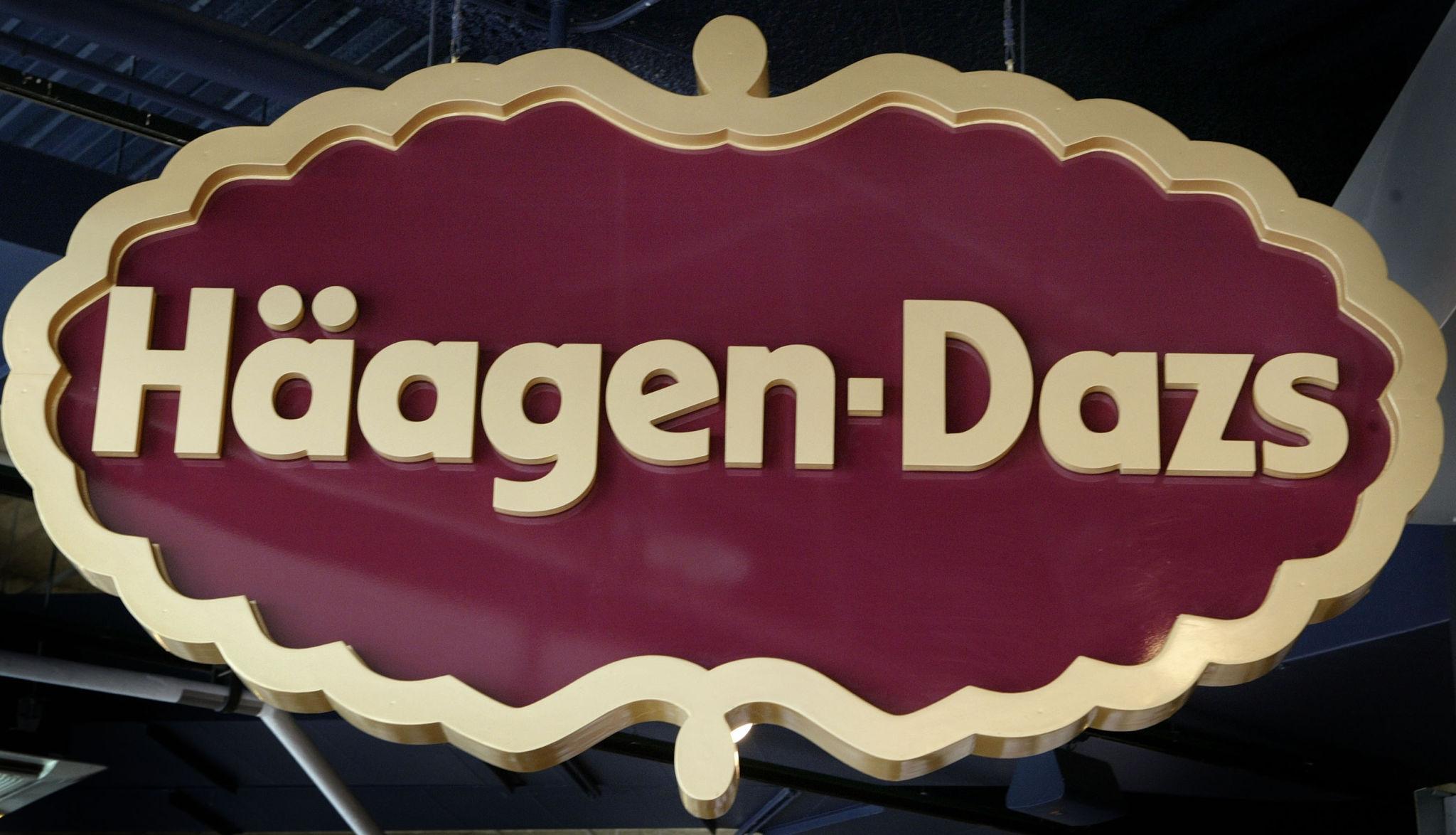
Uses the umlaut (ä) purely for perceived European authenticity. The word is invented, but the diacritics signal craftsmanship and heritage.
See also